Summary: Treasury Secretary Scott Bessent used a vivid childhood image to argue that a coordinated economic campaign and targeted military actions are strangling Iran’s ability to sustain its regime, and that continued pressure will finish the job.
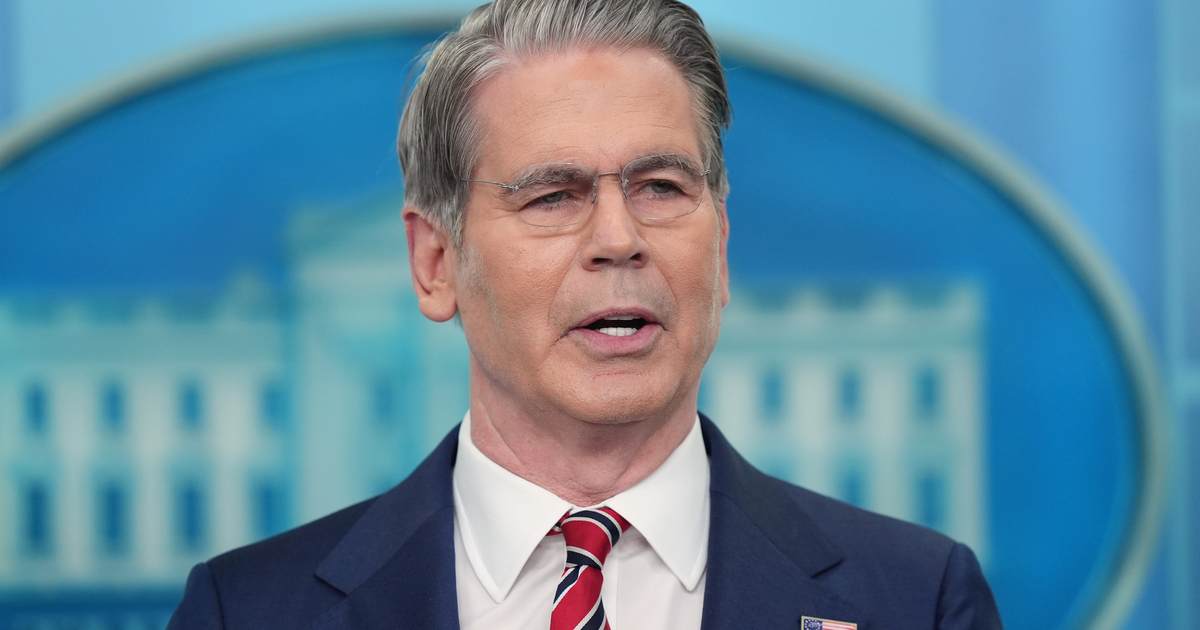
At the G20, Scott Bessent didn’t soften his language. He said Iran’s ruling system is effectively finished even if it won’t admit defeat yet, and he framed the current U.S. approach as a deliberate effort to hasten that end. The message is simple: keep up the pressure until Tehran can no longer rebuild or retaliate.
Bessent’s comparison came straight from a South Carolina memory, and he used it to explain Operation Economic Outcast. The campaign’s purpose is not merely rhetorical; it is to cut the money and trade ties that keep the regime and the Islamic Revolutionary Guard Corps functioning. Sanctions, banking restrictions, and trade choke points are being used to wither Tehran’s finances over time.
That strategy layers onto recent U.S. military moves, creating a squeeze from two sides. Airstrikes and limited strikes have reduced Iran’s immediate capacity to project force in the region, while the Treasury-led sanctions aim to deny the regime the funds to recover. The combined approach is aimed at making Iran pay for aggression and limiting its chance to rebuild military capability.
“Larry, I was thinking about it over the weekend, and Iran reminds me of, when I was a kid in South Carolina. We lived near a swamp and as a result, we’d end up with a lot of poison snakes in our yard. And you would take either a rake, or a machete, or a paddle from a boat, and you’d cut the head off.”
“But the snake, the tail kept wiggling. And you had to bury the head of the snake, because the head of the snake was still poisonous, and there was venom there,” Bessent said.
“So we are burying the head of the Iranian snake. The snake doesn’t know it’s dead yet, but it will stop wiggling when the sun goes down. And so the Iranian regime, they are demised, and they will figure it out.”
As Bessent described it, the sanctions campaign seeks to isolate Tehran’s oil trade, choke off covert banking channels, and penalize third parties that prop up the regime. That includes close engagement with international partners and, if necessary, pressure on friendly states or institutions that sustain financial networks. The goal is to make participation in Iran’s economic life too risky and costly for outside actors.
https://x.com/RedWavePress/status/2094797401055731815
Officials emphasize that this is about long-term suffocation, not a sudden economic freefall intended to devastate ordinary Iranians. The focus is on the regime’s revenue streams, military suppliers, and the hidden transactions that fund proxies and malign activities. Targeted measures aimed at the Revolutionary Guard and senior officials try to avoid broad humanitarian harm while cutting off power at the top.
The Treasury campaign is a political and financial front in a larger contest that has already included kinetic responses. U.S. strikes followed reports of Iranian forces attacking commercial shipping in the Strait of Hormuz, and those operations were pitched as necessary to defend freedom of navigation. The administration frames strikes and sanctions as complementary tools that create deterrence and real costs for aggression.
Diplomacy remains part of the toolkit, but the current posture stresses consequences rather than concessions. Officials say enforcement will be relentless: tracking transactions, blocking access to dollar clearing, and exposing networks that let Tehran skirt sanctions. That sustained approach aims to make it impossible for the regime to fund the organizations that threaten regional stability.
From a conservative perspective, the strategy reads as decisive and pragmatic. It leans on American strength — both military and economic — to restore deterrence and reduce the chances of wider conflict. The policy bets that pressure, applied persistently and smartly, will erode the regime’s capacity and will to continue hostile operations without requiring a large, open-ended ground war.
The coming months will test whether that combination of measures is enough to finish what Bessent says is already underway. If sanctions tighten and enforcement holds, Tehran’s options narrow and its backers may balk. For now the administration argues the clock is running on the regime’s ability to recover, and that continued pressure will determine how quickly the wiggling stops.