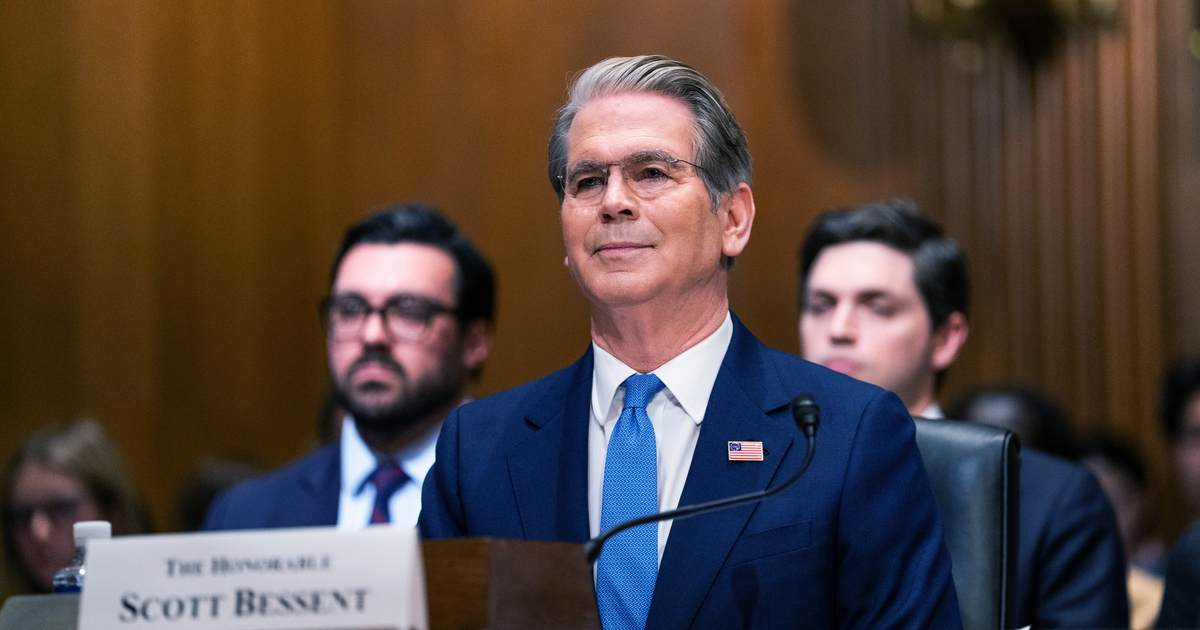
Treasury Secretary Scott Bessent used the G20 finance track in North Carolina to press a blunt economic agenda, calling out both adversaries and allies with direct language and clear consequences. His remarks combined hard-line threats on Iran with pointed criticism of Canada’s military spending, signaling a tougher, less patient U.S. posture on both fronts.
Treasury Secretary Scott Bessent arrived at the G20 Finance Track in North Carolina with a clear, aggressive tone and no patience for diplomatic niceties. He framed his role as enforcing pressure and consequences, not smoothing feathers, and he made it plain that economic tools are now on the front lines. That shift matters because when Washington talks about choking off resources, it can mean decisive outcomes.
When it came to Iran, Bessent left no wiggle room: the U.S. will press for severe economic consequences rather than ongoing cycles of talks that produced little change. He signaled that negotiating patience has limits and that policymaking will lean heavily on financial levers to isolate Tehran. For those who hoped for a return to prolonged bargaining, the message was simple and stark — enforcement, not endless diplomacy.
That approach reflects a broader Republican impatience with soft strategies that allow adversaries breathing room to rebuild capability and influence. Treasury-level sanctions, secondary restrictions, and targeted financial choke points are the instruments being emphasized to make Tehran pay a real price. The intent is to squeeze the regime’s finances the way military pressure has already targeted its capabilities, aiming for outcomes rather than talking points.
Bessent then turned his attention to allies that he said aren’t pulling their weight. The critique of Canada was unusually blunt, framed as an accusation of freeloading and neglect of defense obligations within NATO. That wasn’t a polite diplomatic nudge; it was a public call-out aimed at pushing partner nations to take their commitments seriously.
https://x.com/RapidResponse47/status/2094800309222555956
He described Canada’s military posture as diminished from the proud tradition that once put them at the forefront of major Allied efforts. The implication was that complacency and underinvestment by close partners creates gaps that adversaries can exploit and that American patience for uneven burden-sharing is running thin. For Republicans who prioritize a strong defense and reliable allies, the tone hit the right note.
In practice, the push for allies to increase defense spending is about deterrence, not punishment. The administration’s message at the G20 is that economic partnerships and security arrangements are interlinked, and financial policy can be used to reinforce military readiness. Expect follow-up pressure, both public and private, to push NATO members toward concrete budget and capability commitments.
Canada had a great military. They were right there at the forefront on the beaches of D-Day, and what the Canadian government has done to the Canadian Armed Forces, if you look at the ranks of NATO spending, they are near the very Bottom, like they’re cellar dwellers around with Spain in terms of their military spending to GDP
And why is that? Because they were free-riding.
That blockquote captures the bluntness of Bessent’s tone — a mix of historical reference and contemporary rebuke designed to sting. It’s the kind of straight talk that forces an uncomfortable conversation in capitals that have grown used to mild diplomatic language. Republicans will applaud the candor and the push for accountability among partners.
The larger picture coming out of the G20 finance track is a reassertion of financial instruments as central tools of statecraft. Whether the focus is on squeezing Iran’s economic lifelines or nudging NATO members into spending commitments, the message is that money talks and the U.S. intends to let it speak loudly. That approach bets that economic pressure, applied smartly and relentlessly, can deliver strategic gains without immediate military escalation.
Watching how allies respond will be the key test of whether blunt diplomacy produces change or simply raises tensions. If Canada and others step up spending and show tangible progress on defense and logistics, the American push will be judged a success. If they don’t, expect further public rebukes and a deeper reliance on financial penalties as the primary lever of pressure.