North Carolina’s shift into sanctuary policy has real consequences, and the recent arrest of Matias Gonzalez Garcia crystallizes the debate over public safety, enforcement, and political accountability.
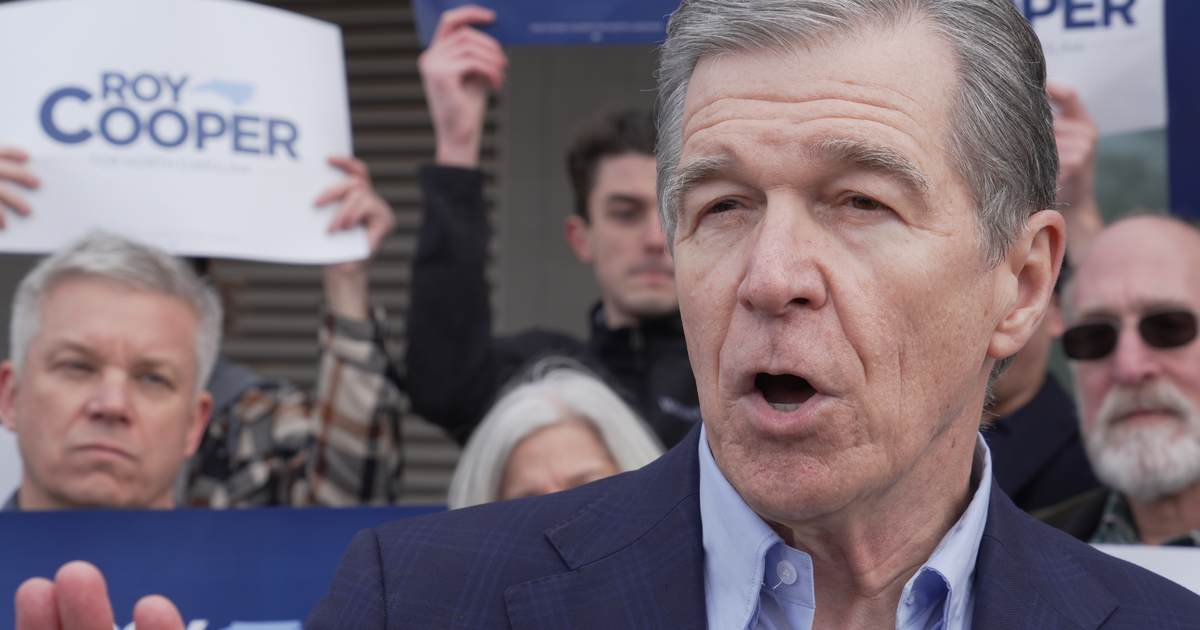
North Carolina’s sanctuary approach under Roy Cooper is no abstract policy fight; it has made the state a battleground over who gets protections and how public safety is managed. The argument that these measures improve policing by encouraging crime reporting feels hollow next to cases where people with criminal records moved freely. Voters want clarity: did policy choices increase risk, and who answers for the consequences?
The case at the center of this story involves Matias Gonzalez Garcia, an individual from Mexico who was apprehended in Lillington, North Carolina. Public records from 2018 and 2019 list multiple arrests and charges, documenting a pattern that includes serious allegations. Those records matter because they show the kind of people critics say were enabled to remain in communities under looser enforcement rules.
According to those records, the charges included carrying a concealed weapon, assaulting a government official, resisting an officer, and violating probation. That list raises legitimate questions about how someone with repeated run-ins with the law was allowed to circulate. He has since been arrested by Immigration and Customs Enforcement, which underscores the federal role when state policies decline to act.
“Roy Cooper lets violent felons out of prison and protects scumbag criminal illegal aliens like Garcia from deportation. Cooper is weak, woke, and a vessel for the socialists taking over the Democrat Party,” said NRSC Regional Press Secretary Nick Puglia. That blunt assessment captures how Republicans frame the problem: leadership choices created openings that defended people the GOP says should have been deported or detained.
Cooper’s fingerprints are on more than rhetoric; as attorney general he issued guidance that critics say opened the door for undocumented drivers to obtain licenses. The resulting system is blamed for errors in filing that, according to critics, sometimes led to registrations and entries that should never have occurred. When bureaucratic failures intersect with political decisions, the result is a messy mix of safety gaps and administrative headaches.
There’s also the human cost this debate highlights. The “illegal alien CDL fiasco” is cited by opponents as an example where lax rules and mistakes had tragic outcomes for some American families. Whether you call it incompetence or deliberate policy, the practical effect is the same: people who expect government to uphold public safety feel betrayed when systems break down.
This isn’t incompetence, however; it’s by design. Sanctuary-style protections were pitched as humane and as helping policing, but the rollout revealed trade-offs that many policymakers and voters never fully acknowledged. The political choice to prioritize one set of values produced predictable enforcement gaps that opponents have spent years warning about.
That political contest now extends to elections and voting rules, where Republican voices press for stricter ID requirements in the name of election integrity. Those proposals are presented as common-sense measures to ensure only eligible voters cast ballots, and they sit alongside criminal justice complaints as part of a broader argument about law, order, and responsible governance. Democrats, meanwhile, defend expanded protections as necessary for immigrant communities and public trust.
At its core, this story is about accountability and consequences. If public policy created the conditions for someone like Garcia to remain in the community despite repeated arrests, then elected officials must answer for that choice. The debate will keep playing out in courtrooms, statehouses, and the voting booth as North Carolinians decide what balance of safety, compassion, and enforcement they want in their state.