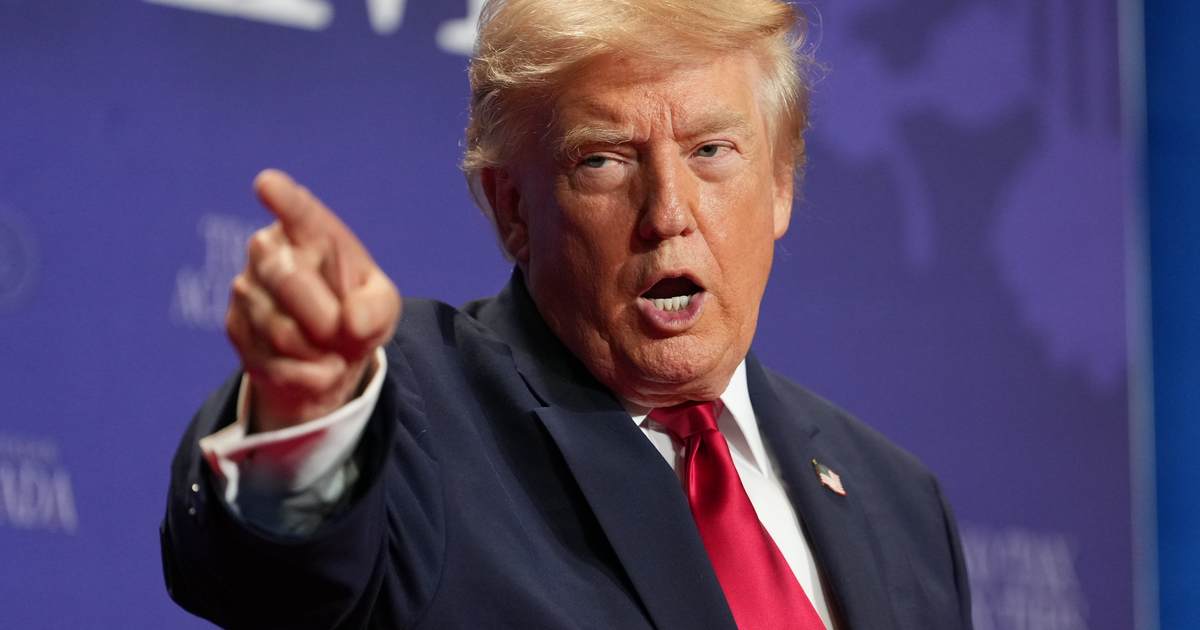
President Trump says returning most welfare programs to state control would restore local accountability, force states to pay more of the bill, and, he argues, eliminate roughly 75 percent of the fraud federal agencies now chase.
President Trump laid out a blunt argument for federalism: shrink Washington’s role in welfare and give states the power and responsibility to run programs themselves. He says that when states must fund and manage benefits, they tailor eligibility and oversight to local needs and voters hold them directly accountable. That tighter link between taxpayers and policy, he insists, will cut waste and abuse sharply.
That claim rests on a simple incentive idea. If a state pays more, it pays closer attention, audits more aggressively, and designs programs to match real circumstances instead of following a broad federal template. Local officials face immediate political consequences when a program wastes money or enables large-scale fraud. The expectation is not just better service; it is stronger deterrence and faster detection.
Part of the argument is practical: many welfare programs already involve state administration, but federal subsidies soften the sting of poor choices and weak oversight. When states are insulated from the full cost of benefits by Washington cash, the pressure to verify eligibility and prevent abuse diminishes. That combination of generous subsidies and lax administration creates environments where fraud can take root and grow.
Trump also used a colorful example to make the point that fraud can be massive and blatant. “I saw the other day a nurse, a nurse—looked fine, didn’t look like the brightest bulb. She stole a hundred million dollars. Not a million, not $200,000, not $50. She stole a hundred million dollars, and they caught her because she was driving a brand-new Ferrari that cost a million bucks,” the president said. The anecdote is meant to show how big the losses can be when programs lack sharp local checks.
He doubled down on the central policy line in public remarks about handing programs back to states. “It’s unbelievable. The fraud is unbelievable. And I think we have to give that back to the states, by the way,” Trump added. His prescription is straightforward: return administration and a larger share of funding to state capitals, keep the federal government focused on core functions like defense, and let states manage benefits.
https://x.com/EricLDaugh/status/2095301145635799475
This approach appeals to conservatives because it blends fiscal responsibility with local control. It does not necessarily mean ending benefits, but it does mean forcing states to make real choices about priorities and costs. When a program hits a state budget directly, voters demand explanation and officials must justify trade-offs, leading to tougher eligibility rules and more attentive case management.
Critics worry that devolution could produce a patchwork of access across the country, with outcomes depending on where someone lives. That is a valid concern, especially for those who believe national minimums should guarantee basic aid everywhere. The counterargument from the Trump perspective is that the current nationalized system tolerates huge fraud and inefficiency, and that shifting responsibility back to states is the fastest way to shore up program integrity without abolishing support.
There are real-world examples that underscore the point. Some states that currently receive large federal subsidies have been criticized for weak oversight and generous eligibility rules, and those conditions can foster higher levels of improper payments. Returning financial responsibility would force those states to weigh the political cost of continued waste and to implement stricter controls or redesign programs.
Ultimately, the proposal is about accountability and incentives. Handing programs to state leaders who must answer to local voters changes the dynamics that let fraud prosper under distant federal administration. The claim that fraud could drop by around 75 percent may strike skeptics as bold, but the underlying logic—make decision-makers pay the bill and voters hold them to account—drives the Republican case for returning welfare administration to the states.