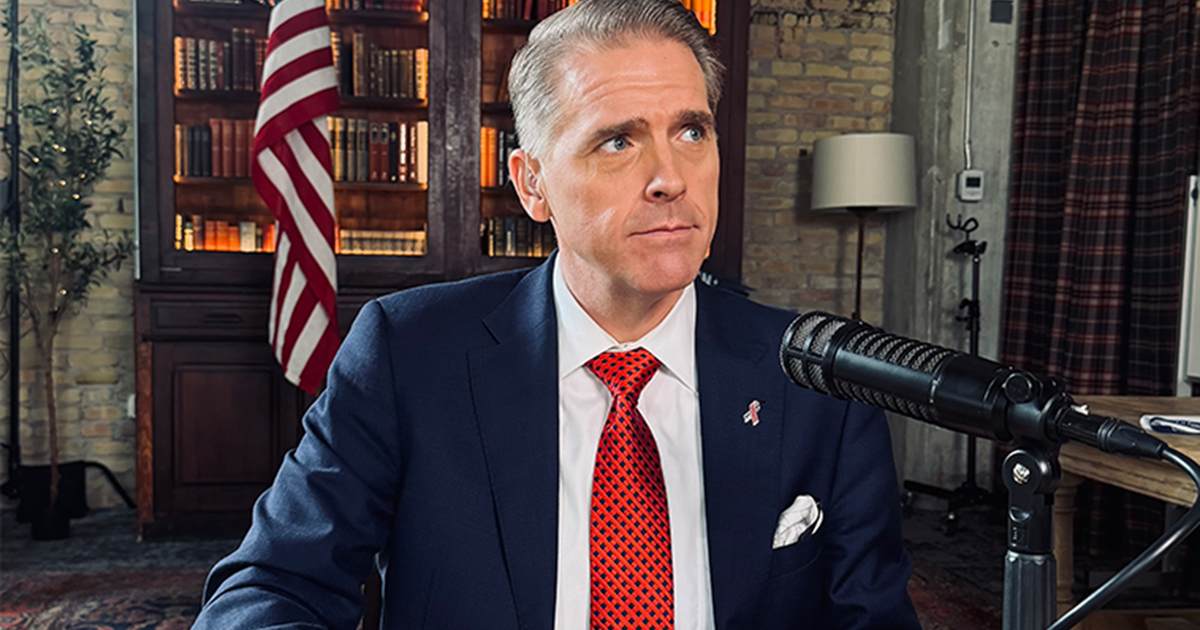
Scott Jennings calls out the media for overlooking a public split among Texas Democrats, where Jasmine Crockett and James Talarico are clashing and intra-party tensions are spilling into the open.
The Democratic coalition often billed as a unified “big tent” is looking anything but united in Texas. Old-line Democrats and rising progressive factions are openly at odds, and that friction is playing out in ways voters notice and reporters can ignore. When internal fights turn public, they reshape campaigns and can tilt outcomes in competitive states.
One flashpoint is Congresswoman Jasmine Crockett, who has openly complained about how her party treated her during a contentious race. Her supporters have confronted Talarico at campaign events, and Crockett has declined to assist his campaign, signaling a rupture within the local Democratic coalition. That behavior makes the party look fractured and disconnected from the voters it claims to represent.
Accusations have followed, and Crockett has characterized some of the episode as racially tinged, escalating the rhetoric. Those claims are serious and deserve scrutiny, yet the story has not received the same sustained attention that intra-Republican conflicts often get. The uneven coverage raises questions about media priorities and selective outrage.
Scott Jennings drew attention to that discrepancy, asking why outlets spend so much time dissecting Republican divisions while glossing over Democratic feuds that matter equally. He argued the national conversation misses how these fights can affect turnout and alliances in critical states. That point matters because media narratives shape how voters and donors perceive party strength.
“Everyone wants to talk about the divisions of the Republicans in Texas. Nobody around here seems to want to talk about the fact that Jasmine Crockett does nothing for James Talarico, has been attacking the Democratic Party after that very divisive primary,” Jennings said.
https://x.com/overton_news/status/2095276081620435167
“I even saw the other day she was talking like maybe she’s not even a Democrat anymore,” he continued. “I think Talarico has problems on his Left flank, I think he has problems with African-American voters down there. It’s the same for El-Sayed in Michigan. Major problems with African-American Democrat voters up there as well.”
The fallout has practical consequences. If Democrats fail to mend these rifts, their path to regaining or holding control in state and federal contests becomes narrower. Political parties that cannot present a coherent message struggle to motivate swing voters and solidify turnout on election day.
Beyond Texas, similar dynamics have surfaced in Michigan, where progressive candidates face skepticism from traditional Democratic constituencies. Those tensions signal a broader trend: factions within the party are increasingly at odds over strategy and identity. Voters watching this want answers, not spin.
The mainstream press tends to emphasize spectacle, and that often means focusing on internecine Republican stories while downplaying parallel liberal drama. That inconsistent approach distorts how the public understands political stability and which party is actually contesting control. A fair media would give both sides equal scrutiny when internal disputes threaten electoral prospects.
Republican commentators see political opportunity when the other side is distracted by its own quarrels, and they point to these episodes as evidence of a party losing cohesion. That interpretation fuels strategic messaging and campaign choices ahead of pivotal contests. Ignoring those tensions only helps one side avoid accountability.
At the local level, voters complain when their representatives appear to be fighting their own allies rather than building coalitions to address everyday problems. That frustration can depress turnout or push people toward candidates who promise stability and clear priorities. Both parties should worry when internal drama overrides policy and governance.
“I feel bad for Jasmine Crockett,” Jennings said. “That liberal, white, male socialist did her dirty in Texas. If I were her, I’d be mad, too!”
Those blunt appraisals sharpen the debate about how Democrats handle internal disagreement and whether the party can effectively manage competing interests. Critics argue that unresolved factionalism leaves openings for opponents and undermines a party’s credibility on issues that matter to everyday voters. Political realities rarely reward public disunity.
Watching these developments, voters and analysts alike would benefit from more balanced coverage that treats Democratic infighting as newsworthy when it affects elections and governance. The stakes are high in battleground states, and the consequences of internal splits can be decisive. Media that look past these stories risk producing an incomplete picture of the political landscape.