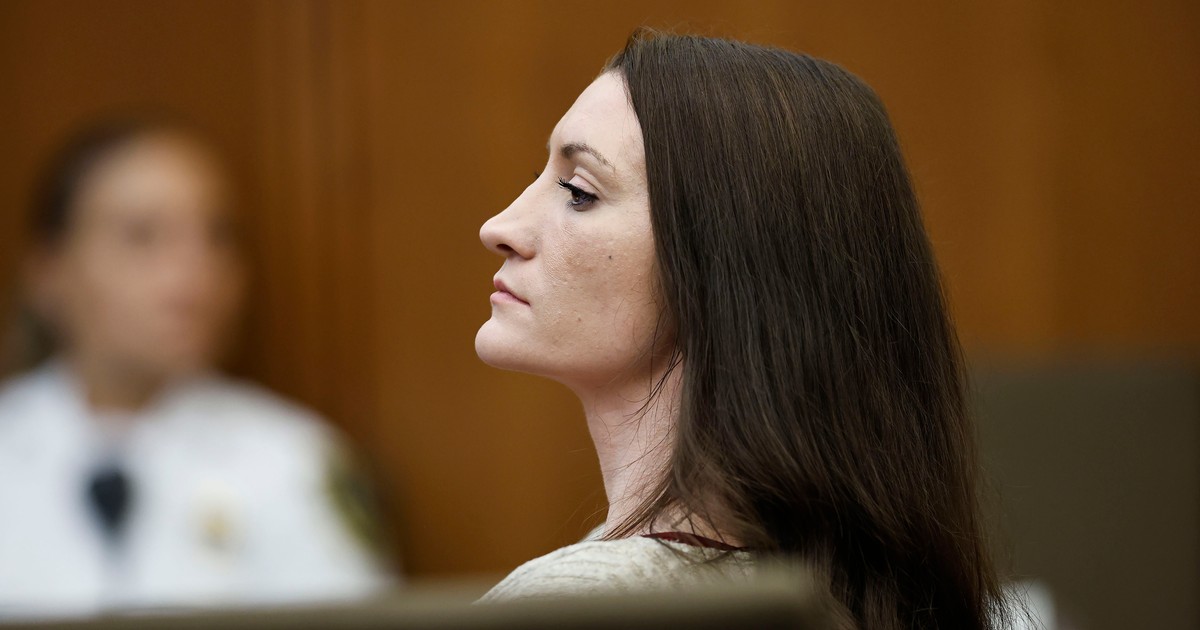
Jurors in the Lindsay Clancy murder trial remain deadlocked after nearly a week of deliberations, with reports that one juror is pressing for a conviction despite judicial instructions and a defense request for removal.
Deliberations in the Lindsay Clancy case have stretched almost a week, and tensions inside the jury room are now in the open. Multiple accounts indicate one juror is intent on convicting, setting off demands from the defense that the juror be excused. That insistence has created a standoff between the judge’s process and the defense’s objections.
The defense attorney asked Judge William Sullivan to remove the juror, alleging this person is ignoring the court’s instructions. The claim centers on the juror not following the judge’s guidance during group deliberations, creating concern about impartial consideration of the evidence. The judge responded by speaking to jurors individually to test the jury’s integrity, a step he deemed satisfactory but one the defense still contests.
Judge Sullivan then reissued his instructions and clarified the standard the jury must apply. He walked the group through the legal meaning of reasonable doubt to reinforce how they should evaluate the charges. Those reminders are meant to focus jurors back on law and evidence rather than personal conviction.
Courtroom observers say the dispute over that one juror hasn’t produced an obvious remedy yet, because removing a juror requires a specific legal showing. The judge must be convinced a juror is unable to follow instructions or is biased in a way that affects deliberations, not just because other jurors disagree. That high bar is why the defense’s request faces a steep climb.
The drama highlights how delicate jury management can be in high-profile cases. When deliberations are long and stakes are extreme, interpersonal dynamics can harden into entrenched positions. Judges and attorneys then must balance procedural fairness with the need to keep a jury functional and unanimous where the law requires it.
https://x.com/disclosetv/status/2095596630472867842?ref_src=twsrc%5Etfw
The facts of the underlying case are stark: Clancy is accused of killing her three children in January 2023 with exercise bands. Prosecutors have charged her with first-degree murder, second-degree murder, and manslaughter, and the possible outcomes still include not guilty by reason of insanity or a full acquittal. Those competing legal paths make the jury’s role especially consequential.
Jurors have grappled with the evidence and the mental health claims that surround the case, which complicate straightforward legal analysis. Mental-state defenses introduce technical legal concepts that jurors must weigh against physical evidence and witness testimony. That mix often stretches deliberations and tests jurors’ willingness to reconcile competing explanations.
Defense and prosecution both pressed their cases in front of the same jury for weeks, and now the process moves entirely into the hands of twelve citizens. The judge’s periodic interventions aim to keep deliberations lawful and focused, but interventions cannot manufacture consensus. If the jury stays deadlocked, the court faces the hard choices that follow when unanimity can’t be reached.
Outside observers and courtroom attendees have noted the unusual persistence of this lone juror’s stance, which is why the defense has pushed so hard for removal. The defense argues that one juror’s refusal to follow the judge’s directions undermines the deliberative process. The prosecution counters that isolated stubbornness is not enough to overturn a juror’s service without clear proof of incapacity or bias.
Court personnel have dismissed the jury temporarily while the judge handles related procedural matters, and the panel is scheduled to resume at 9 am tomorrow. How deliberations proceed when they reconvene could determine whether the case ends with a verdict, a hung jury, or another legal step. For now, the focus is squarely on whether the jury can move past the impasse and reach a lawful conclusion.