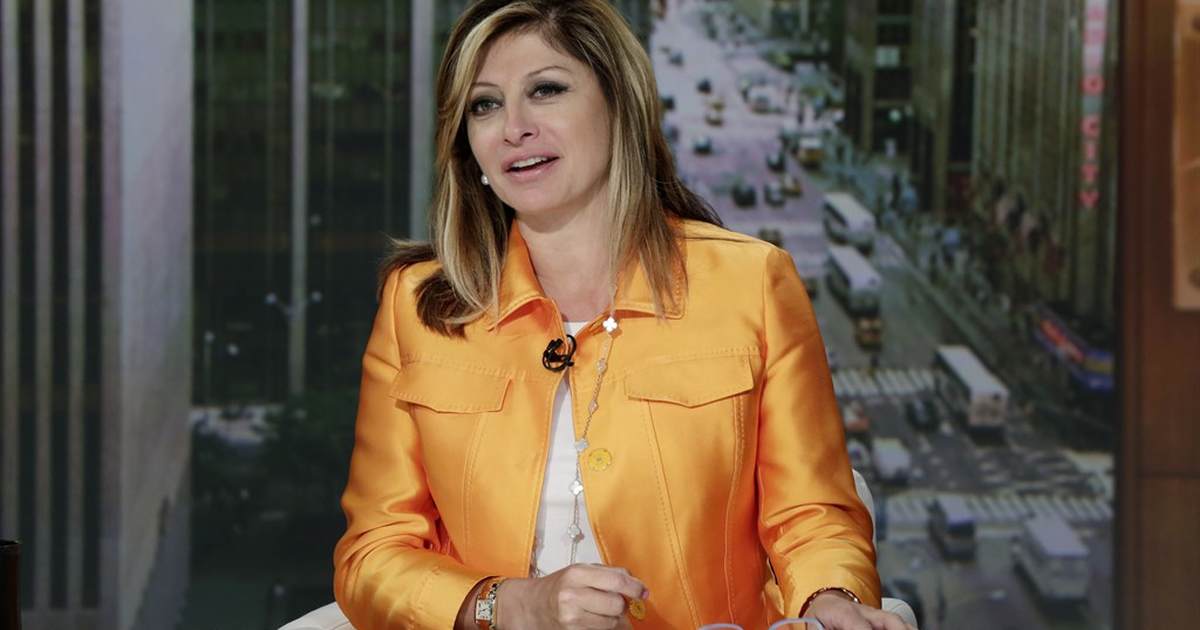
Maria Bartiromo’s exit from Fox Business unfolded as a drawn-out, contentious split tied to decisions made after the 2020 election, internal leaks, and legal pressure, culminating in her being pulled from the air and ultimately leaving the network amid firings and public fallout.
Maria Bartiromo, the host of Mornings with Maria, is no longer at Fox Business after more than 12 years with the network. Her final episode aired on September 3, following a removal from the air on August 9, and the situation played out as a firing rather than a voluntary departure. The timeline and internal choices that led to this outcome deserve a clear look.
The origin point traces back to the 2020 election, when Bartiromo pursued reporting on China and alleged election interference. Those plans collided with legal caution inside the network after Dominion filed a lawsuit, and newsroom leadership pulled the story to avoid further risk. That decision created obvious frustration and division between the anchor and network executives.
Dylan Byers at Puck broke it down:
Frustrated with the kill order, Bartiromo shared a screenshot of text exchanges with Trump White House officials, a move colleagues at the network viewed as leaking privileged internal communications. Fox Business treated the disclosure as a serious breach, and that breach set off a chain reaction that made reconciliation with management difficult. For many viewers and colleagues on the right, the reaction looked heavy-handed and legal-first.
https://x.com/DylanByers/status/2095632406292386184?ref_src=twsrc%5Etfw
Through February she officially resigned, though the public timeline shows a later pull and an abrupt end to her on-air presence in August and September. The abruptness of pulling a veteran host who carried a prime morning slot was jarring to audiences who had followed her for years. That pull also coincided with other personnel moves, including the firing of her executive producer.
The legal environment after 2020 changed newsrooms across the country, but Fox Business’ specific response stands out because it shut down a prominent line of inquiry at a moment when viewers wanted accountability and answers. Conservative audiences saw a cautious corporate posture override aggressive reporting instincts. That gap between newsroom caution and audience expectation widened trust issues with the network.
Bartiromo’s supporters argue she was doing the kind of reporting viewers expect: asking hard questions about foreign influence and election integrity. Critics counter that sharing internal texts crossed a boundary that corporations and legal teams cannot ignore. Those tensions, rather than a single misstep, appear to have hardened into the decision that ended her tenure.
The public fallout included odd moments on social media and commentary from public figures. Ambassador Mike Huckabee attracted attention when he referred to Bartiromo as “him/her.” That quip, intentional or not, added a strange note to the coverage and underlined how chaotic the conversation became online.
Behind the scenes, executives weighed legal exposure against journalistic ambition, and they opted to prioritize legal safety. From a Republican perspective, that feels like a loss for robust reporting and a win for caution that chills coverage of controversial but important topics. The result left a morning slot and a loyal audience in limbo while leadership reshaped programming and personnel.
Bartiromo’s departure also raises practical questions about newsroom culture and how networks balance litigation risk with editorial independence. When legal departments can effectively veto reporting, it changes the newsroom’s incentives and narrows the range of permissible stories. That reality matters for viewers who depend on newsrooms to pursue angles other outlets might avoid.
The firing, the timing, and the broader context of post-2020 litigation create a narrative about corporate caution trumping bold journalism. For many conservatives, the optics reinforce a suspicion that large media outfits will fold when pressure mounts rather than defend their on-air talent. Maria Bartiromo’s removal feels like a marker of where priorities landed inside Fox Business during a fraught period.
Audiences watching these moves will judge the network on how it handles big questions going forward and whether it stands behind reporters pursuing sensitive topics. The personnel changes and the abrupt end to a long-running show will be remembered in Washington media circles for what they reveal about editorial decision-making under legal threat. The aftermath leaves room for debate about whether the network struck the right balance between legal prudence and journalistic duty.