This article examines the courthouse outburst by Kevin Reddington after the Lindsay Clancy mistrial, the risks his remarks created for juror safety, the legal status of the case, and the basic facts of what happened in January 2023.
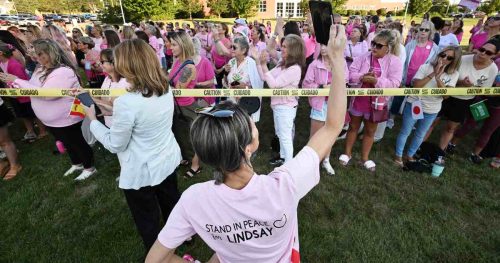
Kevin Reddington’s behavior on the courthouse steps in Plymouth, Massachusetts, drew immediate condemnation for being loud and undignified. Reporters and onlookers watched as he thanked the jury in a way that singled out one juror for blame, and his tone struck many as celebratory rather than measured. The moment looked less like a defense lawyer defending his client and more like a performance that put someone’s privacy at risk.
Reddington explicitly praised the jury’s female forewoman for identifying the holdout, and he criticized the lone juror who pushed for conviction. He told the press the panel had been “robbed by one man, whatever his agenda was, who stole seven weeks from the lives of these other jurors.” That line landed hard because it named the harm he believed had been done to the rest of the jury while also spotlighting the dissenter.
Exposing or celebrating the identification of a juror is reckless on multiple levels, not least because it invites harassment and social targeting. When a lawyer publicly thanks someone for outing a fellow juror, it makes it far easier for activists or curious members of the public to track that person down and subject them to threats or doxxing. The courthouse steps are no place for goading a crowd into seeking out and punishing a private citizen for doing their civic duty.
The tone of the outburst also feeds narratives about spectacle in high-profile cases, and that can undermine confidence in the process no matter which side you support. Some observers said the display fit the defense’s broader strategy of theater and media management, while others saw it as a sign of thin restraint from someone who should know better. Either way, it’s a reminder that what lawyers say in public can have real consequences for jurors, witnesses, and community safety.
https://x.com/EricLDaugh/status/2095957269544595965
On the legal front, Reddington’s statement that he had “won” is misleading because the judge declared a mistrial. A mistrial ends a particular proceeding without an acquittal, so the Plymouth County district attorney retains the authority to refile charges and pursue a new trial if prosecutors believe they can do so. Courts and prosecutors often weigh public reaction and trial irregularities when deciding whether to move forward, but the possibility of refiling remains real.
Clancy’s case itself is a grim set of facts that remains central to why emotions are running high. Clancy killed her three kids in January 2023 with exercise bands, claiming postpartum psychosis and overmedication drove her over the edge. Those factual claims and medical defenses will be revisited if charges are refilled, and they will continue to shape both legal arguments and public debate about mental health, criminal responsibility, and sentencing.
Whatever happens next in court, the immediate worry is practical: jurors and court staff need protection from intimidation, and the system needs to guard against unnecessary exposure of private citizens. Public prosecutors can and should consider whether additional safeguards are required for juror anonymity or for restricting what counsel can say publicly about jurors. The aim should be to preserve the integrity of the jury system while allowing fair advocacy inside courtrooms, not on street corners.
Beyond procedural fixes, this episode highlights how high-profile cases play out in the media age, with courthouse steps often acting as a stage where rhetoric matters as much as filings. Lawyers who choose to treat press moments as campaigning tools risk shifting the spotlight from legal facts to personal theatrics and opening private people to scrutiny. That dynamic hurts the court process and the safety of those who participated in it, and it deserves attention from judges, bar associations, and the public.