Nick Shirley has filed suit against California after Gov. Gavin Newsom signed the “Stop Nick Shirley” Act, arguing the law muzzles journalism by threatening fines and criminalizing routine reporting, while allies including America First Legal prepare to join the case.
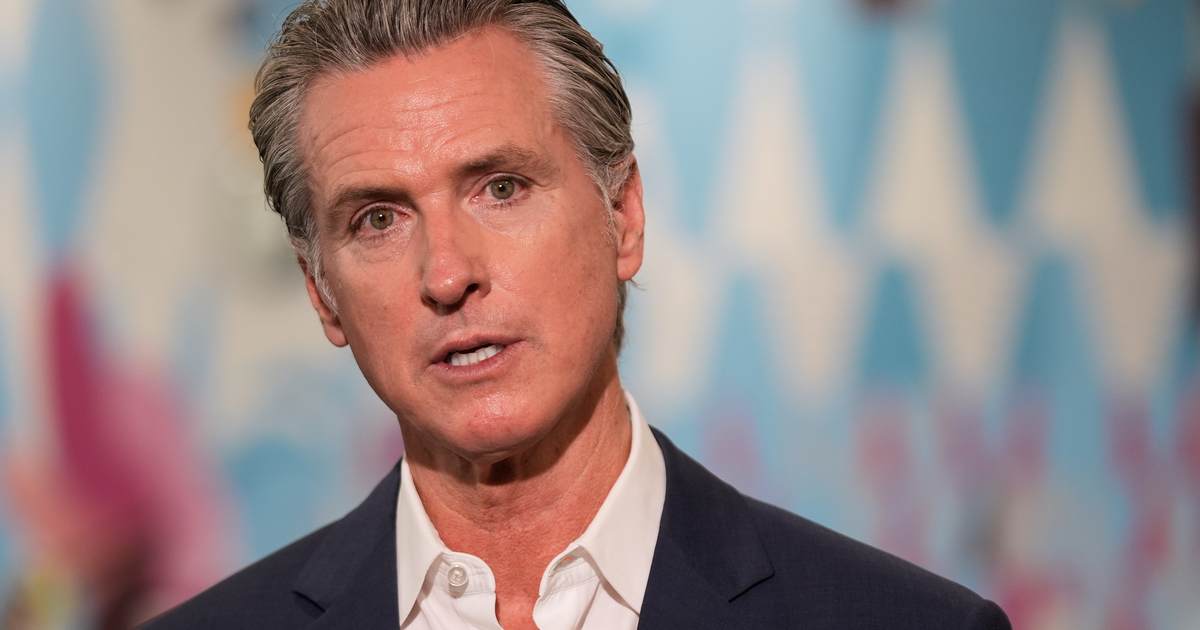
Independent journalist Nick Shirley announced a lawsuit against the state of California after Governor Gavin Newsom signed the “Stop Nick Shirley” Act into law last month. The move comes after months of public clashes between Shirley and state officials, and it puts a direct legal test on how far a governor can go in limiting how reporters gather and publish material.
Shirley says the law crosses a line by preventing journalists from doing the core work of reporting and holding power accountable. Under the statute, publishing a video or other material involving certain protected parties could expose a journalist to a $4,000 fine, a penalty Shirley and his legal team say is designed to chill basic reporting.
From a Republican perspective, this looks like an obvious overreach that favors political cover over accountability, and it raises First Amendment alarms. When government can levy financial penalties against a reporter for publishing documentation of public events or alleged wrongdoing, the basic incentives for investigative journalism shift toward silence and self-censorship.
https://x.com/EricLDaugh/status/2096221280030613738
The state’s response has been confrontational and personal. In reacting to the lawsuit, an official for Newsom’s team said, “Voldemort’s law firm found its latest crusade – suing California for protecting immigrant-service workers from doxxing, threats and harassment. We aren’t backing down from protecting people from intimidation and violence — no matter how many MAGA lawyers show up to fight it.” That statement frames the dispute as political theater rather than a legal tug-of-war over free speech.
That rhetoric also mirrors earlier actions taken against Shirley, including a controversial AI-generated image circulated by members of Newsom’s team. After Shirley began a sweeping fraud investigation in California, officials published a doctored photo in March of this year portraying him in the most demeaning terms, an escalation that supporters see as part of a campaign to discredit the reporter rather than address the substance of his work.
Legal allies have already lined up for Shirley. America First Legal, a non-profit founded by top Trump-ally Stephen Miller, has announced its intent to work with Shirley on the lawsuit. Their involvement signals that this case will draw national attention and likely test legal boundaries around press protections, privacy, and the scope of state power.
Critics of the law point out that existing statutes already forbid direct harassment and doxxing, and argue the new measure duplicates protections while creating a blunt instrument against journalism. When a government passes a law that can be applied selectively against critics, it invites claims of viewpoint discrimination and arbitrary enforcement.
Shirley’s legal claim will likely center on the First Amendment and on procedural concerns about vagueness and overbreadth in the statute’s language. If a journalist cannot predict whether a routine publication could trigger a costly fine, the natural effect is to avoid reporting on certain subjects altogether, which harms the public interest in transparency.
From the Republican angle, the broader pattern here is troubling: political figures using law and public messaging to sideline inconvenient investigations. Whether the target is a reporter, a watchdog group, or a political opponent, the tactic is the same—use government authority to impose costs on scrutiny and to shift public attention away from the issues raised.
The case also raises practical questions for other journalists operating in California. Will reporters avoid on-the-ground coverage of certain public spaces or institutions for fear of fines? Will newsrooms self-censor video and photographic evidence that could be central to exposing fraud or abuse? Those are real-world consequences that go beyond partisan spin.
Courtroom outcomes aside, the fight matters because it will set precedent for how states can regulate the intersection of privacy, workplace protection, and public reporting. If courts allow this kind of restriction to stand, other states might follow suit, creating a patchwork of rules that increasingly favor institutional protection over transparency.
The law is scheduled to take effect in October of 2027, so the clock is already ticking toward a legal showdown. Shirley and his backers will press their case, and the state will defend what it says are necessary measures to protect vulnerable workers. For anyone who cares about a free press being able to document public life, the stakes are high and the arguments will not be purely academic.