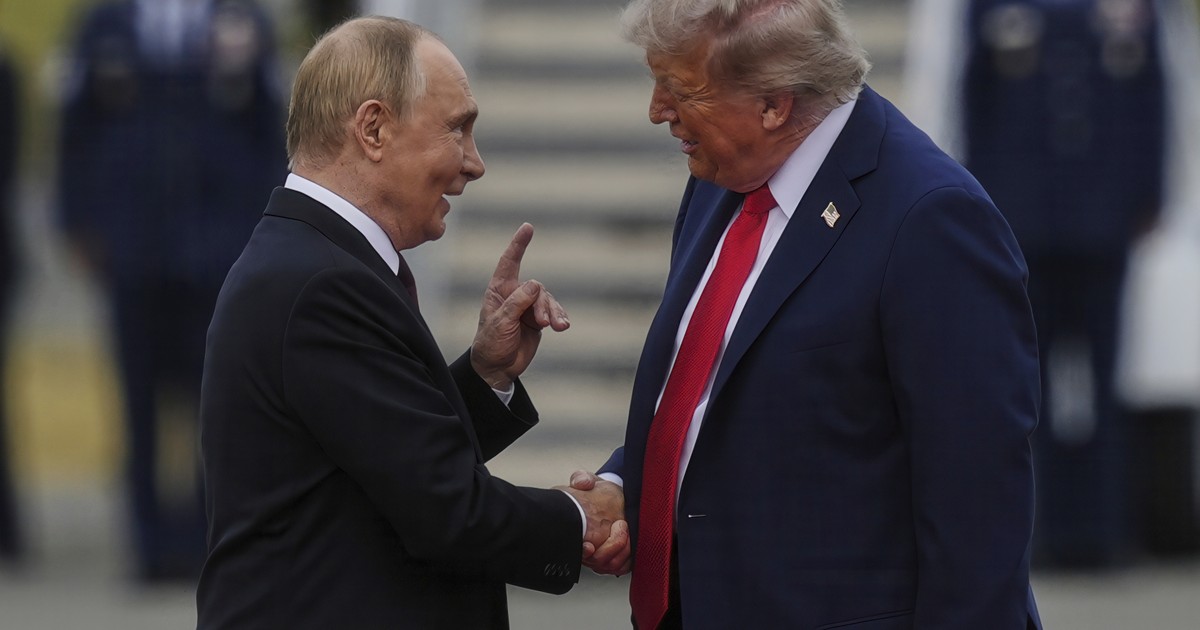
Steve Witkoff and Jared Kushner led negotiations in Moscow and Kyiv at President Trump’s direction, reporting progress toward talks that could slow fighting and open a path to a negotiated end to the war in Ukraine.
Special Envoy Steve Witkoff returned from weekend visits to Moscow and Kyiv describing cautious optimism about steps taken under President Trump’s direction to reduce violence and promote dialogue. The trip aimed to secure short-term pauses and lay groundwork for broader discussions that could lead to a durable resolution. Officials on all sides signaled willingness to continue talking, even as significant gaps remain.
“At President Trump’s direction, United States negotiators visited both Moscow and Kyiv in order to facilitate additional dialogue to end the Russia-Ukraine War,” a statement posted to Witkoff’s X account explained on Monday. “Ahead of the trip, the Russians and Ukrainians agreed to a three-day no-shoot policy to enable these discussions to occur.”
Witkoff’s statement said the Kyiv meetings included national security advisors from the United Kingdom, Germany, and France who joined to “collaborate on the path forward.” The joint presence underscored that Western partners were watching the talks and seeking concrete steps. “Substantive progress was made, including movement on scheduling additional trilateral talks. President Trump is working hard to stop the killing and work towards a lasting and durable peace,” the statement continued.
Ukrainian President Volodymyr Zelensky stressed the need to keep diplomatic channels open while maintaining his country’s defensive needs and sovereignty. He made clear that diplomacy must be paired with practical security assurances and support for Ukraine’s ability to resist further aggression. Zelensky’s emphasis was simple and direct: “keep diplomacy going.”
https://x.com/SEPeaceMissions/status/2096961820628009226
Witkoff outlined what he called concrete topics discussed on the trips, focusing heavily on air defense, technology cooperation, and preparations for winter. “We had substantive discussions about our air defense needs, the relevant technological cooperation, and the winter package we need. Our partners know what can bear fruit and what must bear fruit ahead of winter. We are coordinating our next steps,” he posted on Monday. “We are preparing the next meetings and communications. Ukraine’s proposals are constructive, and they always will be.”
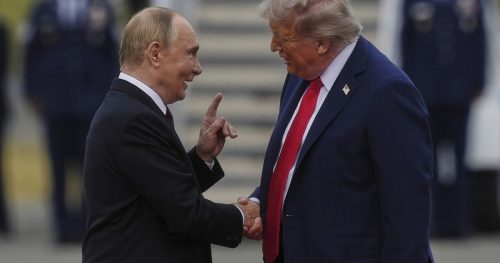
A Russian presidential envoy also reported forward motion after a call between President Donald Trump and President Vladimir Putin, saying the leaders “positively assessed Steve Witkoff and Jared Kushner’s visit to Moscow and Kiev.” That assessment, posted by Kirill Dmitriev, framed the visit as a useful step in creating space for diplomacy. It also suggested both capitals saw value in keeping channels open for further negotiation.
The White House signal that the U.S. was taking a direct, facilitative role came with clear guardedness: any bigger summit would depend on concrete progress. The president explained his view plainly, tying a full summit to a real chance at a peace deal and not simply a photo op. “Oh, he’d do it if I wanted him. But I want to do it when we’re ready to do a peace deal,” he said, noting the need for tangible groundwork before moving to a one-on-one meeting.
He reiterated confidence that the conflict could move toward an end if negotiations find buy-in for terms that protect vital interests and reduce bloodshed. “I wanna do it when that war is ending, and I think we will,” he said, acknowledging that the war has been ongoing since early 2022. The administration framed this as pragmatic pressure: pursue results first, escalate symbolic meetings later.
Observers on both sides described the talks as a start rather than a solution, with realistic expectations about the hard work ahead. The diplomatic choreography — short ceasefires, multilateral coordination, and follow-up trilateral talks — sets a structure for measuring progress. For now, the focus remains on securing immediate reductions in violence and building trust that could justify larger, more formal negotiations.