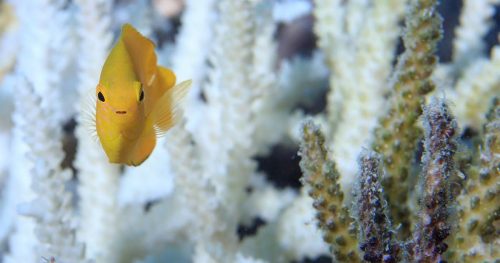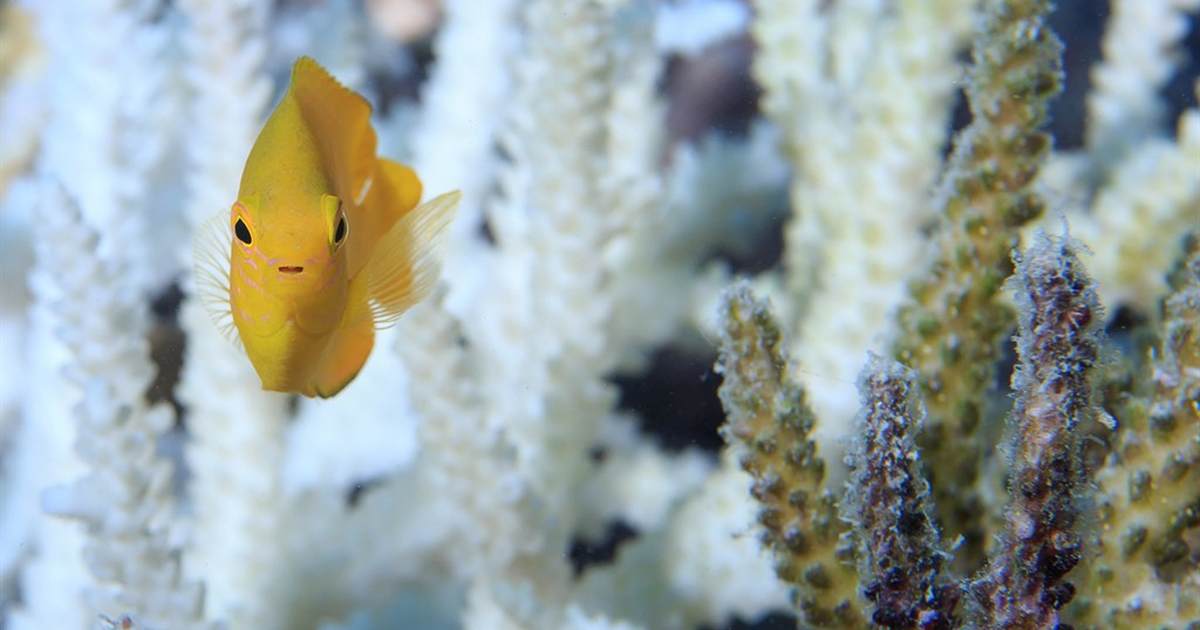
The Great Barrier Reef is showing a strong recovery after years of dire predictions, with coral cover holding steady or improving across much of the system and recent audits reporting unprecedented highs.
For years, critics warned the Great Barrier Reef off Australia’s northeast coast would collapse under pollution and climate pressures. The reef spans roughly 344,000 square kilometers, supports more than 600 types of coral, and hosts about 1,500 species of fish, so any loss would be serious.
Those worst-case forecasts, often amplified by the environmentalist Left, have not matched what scientists are now observing. Recent audits and long-term monitoring show coral cover stabilizing and, in several cases, increasing.
That rebound surprised many who had expected a steady decline, and it challenges a steady diet of apocalyptic headlines. The reef’s resilience is showing up in systematic measurements that compare decades of data, not short-term anecdotes.
Australia’s marine scientists released their annual audit of the Great Barrier Reef last month, and it contains news you almost certainly haven’t heard: Coral cover held steady or increased across most of the reef. The scientists measure the percentage of living hard coral cover, and in the 40 years of systematic study, the five best years on record or the five most recent.
https://x.com/Not_the_Bee/status/2097420334139928745
That is the sound of a catastrophe not happening.
You haven’t heard the good news because the reef has an entire public relations industry built around predicting its imminent demise as a result of global warming. In 2012, researchers from the Australian Institute of Marine Science reported that the reef had lost about half its coral cover since the mid-1980s — falling from 28% to just 13.9% — and projected that cover could halve yet again by 2022. In 2014, the Guardian published an interactive obituary for the reef. In 2016, Outside magazine agreed, declaring the reef dead at age 25 million.
The patient, it turned out, hadn’t read the notices. By 2021, coral cover was higher than at any point since measurements began in 1986. It stayed at unprecedented levels through 2022 and 2023 and climbed to a new all-time high in 2024. The reef answered two decades of death sentences with more coral than anyone had ever measured.
Independent commentators and researchers have pointed out that the media narrative rarely reflects these improvements. Bjorn Lomborg noted the pattern of underreporting, arguing that good news about coral growth does not fit the usual storyline. Many of the same outlets that predicted a near-term collapse have not highlighted the steady gains scientists are documenting.
Part of the recovery follows sustained management programs and funding by Australian authorities, who invest roughly A$200–300 million a year in water quality, park management, monitoring, and research. Those targeted efforts on pollution control, fishing practices, and reef protection appear to be producing measurable results in many regions.
It’s also true that large ecosystems fluctuate, and reefs can recover when stressors are reduced and natural regeneration happens. The pattern here is not a miraculous one-off but the outcome of long-term monitoring, occasional good seasons, and active conservation measures that help coral survive and regrow.
Coverage of the reef’s status waned around 2020 when coral levels began to rebound, and that silence created a knowledge gap most readers haven’t noticed. Once a dominant catastrophe narrative takes hold, it’s hard for steady, technical progress to compete for attention in headlines and social feeds.
This is political terrain as well as environmental, because the story of recovery undercuts constant claims of immediate, irreversible collapse used to justify broad policy overhauls. From a Republican viewpoint, this matters: policy should be proportional to real, documented risks, not driven by perpetual alarm.
Practical management, transparent data, and local accountability produced measurable shifts on the reef, and those facts deserve to inform decisions without being filtered through ideological lenses. The reef’s rebound is a reminder that policy and conservation can work together, and that empirical results should guide future choices.