California’s runaway tax and regulatory regime is driving people out, and Stephen A. Smith just laid out why he left — it’s about money, paperwork and policies that punish success.
Gavin Newsom tried to pin California’s reputation on “right-wing media,” but that dodge won’t erase what people live through every day. Residents and businesses are dealing with higher crime, heavier regulations and tax rates that make staying expensive. Across the country, voters are watching a state that once led on opportunity now push people away.
Stories of exodus are no longer rare anecdotes; they are a pattern. Entrepreneurs, entertainers and professionals recount a mix of soft-on-crime policies, crushing red tape, and tax bills that add up fast. When policy pushes the productive class to greener pastures, the economy loses and the state shrinks its tax base.
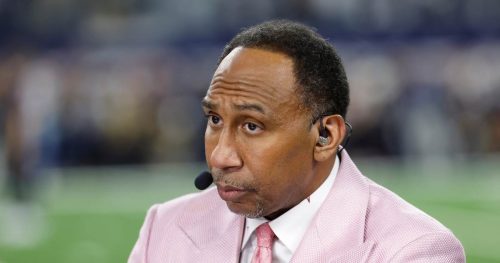
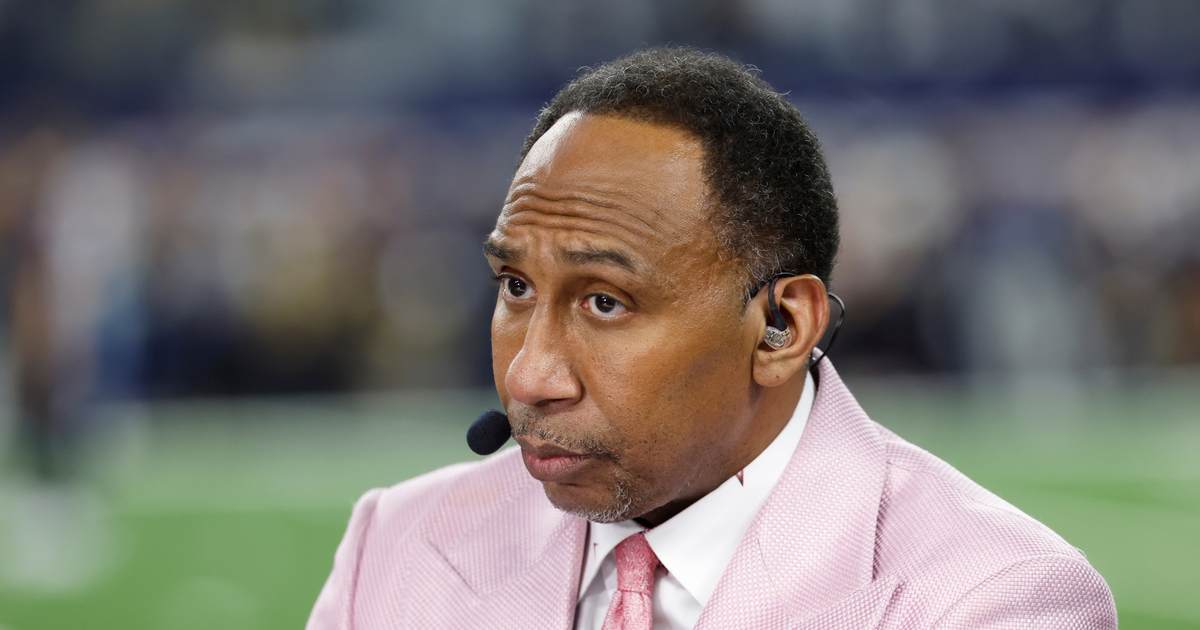
One high-profile example is sportscaster Stephen A. Smith, who explained why he chose to leave California for friendlier tax brackets and fewer headaches. His experience isn’t unique — it’s a snapshot of how current tax rules can penalize presence and complicate work.
He put the math plainly: “New York was at around nine percent, California was approaching 13 percent. Now they’re at 13.6 percent. If Gavin Newsom had his way it’d be about 16.8 percent,” Smith said. “So I’m looking at it and I’m like, you got California state tax, you got Los Angeles city tax, you got L.A. County tax and then here’s what really really did it.”
Smith also described how the logistics of doing TV work in the state triggered tax problems and drove him to plan around the rules. “This happened to me two years ago. They said look, because I was going to spend some more time out there, they got me doing NBA Countdown … moreso from L.A. than anyplace else,” Smith said. “So any time I’m in the state of California, I’m getting taxed that day. So I’m sitting down with my estate planners … and they said, ‘Look, when the weekend arrives, it would be in your best interest to go to Vegas or to Utah or something.'”
https://x.com/VigilantFox/status/2097529028785635347
He went on to outline the invasive way tax authorities could track days spent in state and how that translated to higher liabilities. “They said, ‘Well if you stay in California, you know, IRS, they pinging your phone. So any time you get a call or you’re on the phone they know that you’re in the state and that counts as a day,'” Smith explained. “And sure enough when I saw my tax return, it was absolutely correct and that’s why I said … a couple years ago, I look at Gavin Newsom who I’ve spoken to a couple of times, and I’m like … you look very presidential. Ain’t getting my vote … d**n right, because of these d**n taxes.”
The Left will stop at nothing to steal your money. That isn’t a metaphor for some distant policy debate — it’s how families feel when payroll, property and retirement income are all whittled down by overlapping tax layers. When the state leans on revenue instead of reforms, people notice and they move.
Nor can they track fraud in Medicare and Medicaid programs. Because they choose not to. Ignoring waste and abuse only deepens the drain on taxpayers while leaving services strained and inefficient.
It gets personal for those who see a jackpot or a retirement nest egg turn into a fraction of what it should be after state and local levies. That’s the punchline that keeps showing up in stories about winners, small businesses, and high earners who figure out that leaving saves a serious chunk of cash.
California’s leaders can keep blaming narratives or they can change course and make the state hospitable again to talent, capital and common-sense governance. For now, the lesson is clear to those paying attention: when policy punishes productivity, people will vote with their feet.