Summary: A report about an assault on Ohio Democratic gubernatorial candidate Amy Acton at the Canfield Fair drew broad attention, but facts since released suggest the incident was less severe than initially described and some early claims were likely exaggerated.
A weekend report said Ohio Democratic gubernatorial candidate Amy Acton was reportedly attacked at a campaign event at the Canfield Fair, and authorities arrested a suspect who was initially described as armed. The narrative spread quickly, with social posts and early accounts framing the moment as a violent assault. As more details emerged, key elements of that initial account no longer lined up with what actually happened.
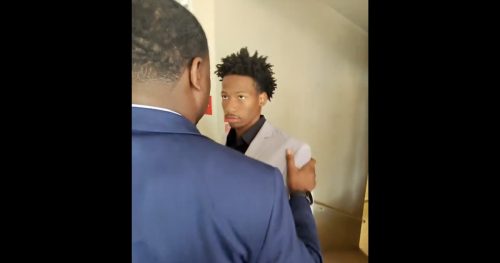
There are a few simple facts everyone should notice: there are still no widely available photos or video showing a physical assault, the person detained did not appear to be carrying the weapons first reported, and the interaction did not escalate into a close-quarters attack. Witness reports now say the man was recording Acton inside a tent, called her name, and was stopped before he got near her. That contrast between initial hype and later detail matters, because the difference changes the story from a credible attack to an alarming but limited disruption.
Early social posts from local party officials described an armed individual knocking volunteers to the ground, language that naturally raises panic. Those posts quoted lines like, “Moments ago during a visit from Dr. Amy Acton, an individual was arrested at the MCDP tent who was discovered to have weapons, after knocking volunteers to the ground.” That exact phrasing circulated fast and fed a narrative that the situation was an attempted assassination or violent ambush.
Someone has been arrested after allegedly attacking a Democrat candidate for Ohio governor while she was at the Canfield Fair on Sunday.
Mahoning County Democrat Party chairman Chris Anderson posted on Facebook that an armed individual was arrested after knocking volunteers to the ground.
“Moments ago during a visit from Dr. Amy Acton, an individual was arrested at the MCDP tent who was discovered to have weapons, after knocking volunteers to the ground.
https://x.com/nicksortor/status/2097661031715664104
Once authorities on the scene clarified their findings, the picture shifted. The person taken into custody was reportedly not armed in the way earlier posts described, and there is no confirming video showing someone lunging at Acton. Multiple eyewitness accounts indicate the individual was stopped by security before getting close, which contradicts the dramatic details that spread online.
That misstep in reporting is important because it shows how quickly a narrative can outpace the facts, especially when it involves a prominent political figure and the powerful emotion of potential violence. When initial claims include unverified details, the media and social networks amplify fear and fixate on worst-case scenarios. Conservative readers and others skeptical of mainstream coverage should note how often the initial version of a story softens as facts come out.
The event still raises valid concerns about safety and crowd management at campaign stops, and it deserved careful response from law enforcement. Candidates need secure, controlled access to public events so they and volunteers stay safe. But there’s a difference between taking security seriously and turning every confrontation into an attempted political murder without evidence.
Local officials and campaign teams should be transparent with footage or statements to clear up confusion fast. Releasing available video or police reports would resolve unanswered questions, reduce speculation, and restore confidence in the facts. Right now the absence of clear public documentation feeds frustration and skepticism from all sides.
Critics who immediately use this kind of incident to score political points are contributing to the problem. Inflating the threat does no one any favors and makes measured policy discussion harder. A level-headed approach protects both the candidate and the integrity of public discourse.
This episode is also a reminder to readers to treat breaking social posts as provisional. Fast-moving social media updates can distort context or repeat inaccurate claims. Waiting for official statements or verifiable evidence prevents the story from being weaponized before it’s fully known.
Campaigns should also brief volunteers about realistic threats and the proper ways to respond, so that normal crowd behavior is not mistaken for violence. Training and clear chains of command for event security reduce panic and avoid exaggeration. That practical posture is preferable to dramatic online declarations that may not match the scene.
Finally, public officials and party spokespeople carry responsibility for accurate messaging in tense moments. When leaders amplify an unverified version of events, it invites distrust when corrections follow. Careful, evidence-based updates protect credibility and keep focus on real issues rather than rumors.
Release the video, guys.