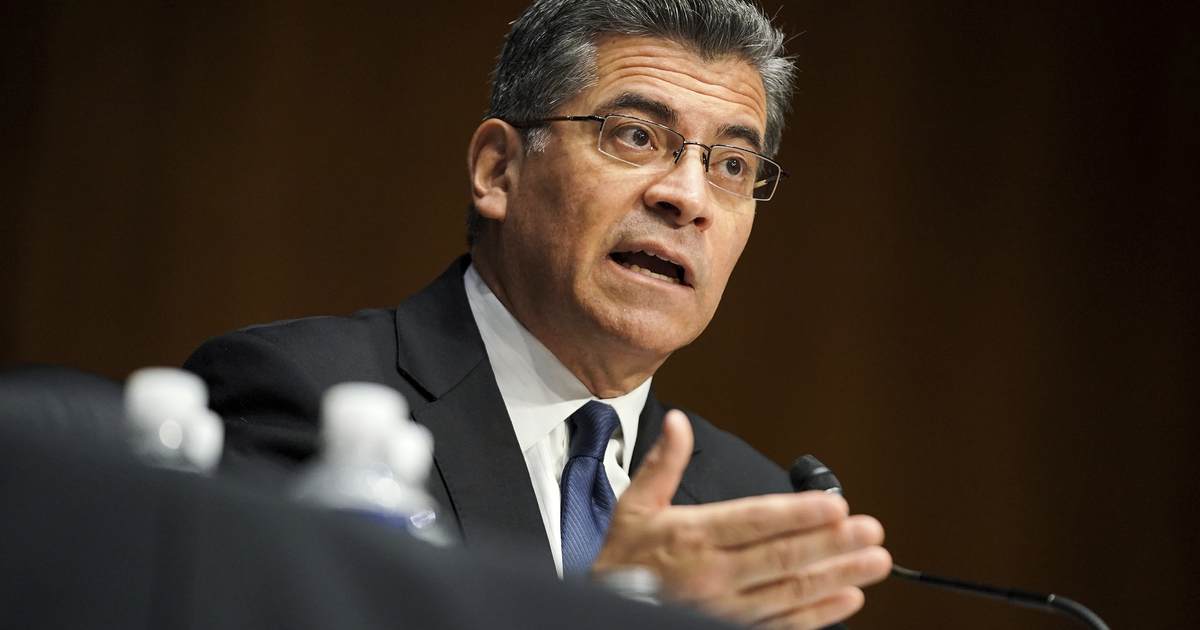
California’s incumbent candidate has finally agreed to debate his Republican challenger after weeks of avoiding head-to-head encounters, a move that comes as his polling edge has narrowed from comfortable double digits to a much tighter margin.
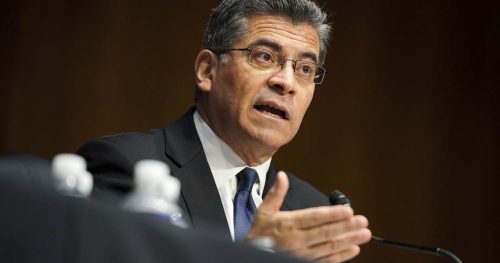
Months of campaign caution have ended with Xavier Becerra agreeing to meet Steve Hilton on the debate stage, and the timing matters. What had looked like a straightforward hold in a deep-blue state suddenly feels less certain as voters get more information and the campaign pace quickens. The decision to debate now raises questions about why Becerra resisted earlier invitations and whether that delay cost him political momentum.
Public polling shows a notable slide. An early-August UC Berkeley IGS/Los Angeles Times survey put Becerra at 55 percent and Hilton at 37 percent, an 18-point gap down from a late-June reading that had Becerra at 61 percent and Hilton at 36 percent. Another poll a week later tightened the race further, with Becerra at 49.2 percent and Hilton at 41 percent, leaving the incumbent with only a single-digit lead.
The shrinking numbers underscore a simple political truth: avoiding scrutiny is a risky strategy, even in a state that leans heavily one way. Voters notice when campaigns look passive or inconsistent, and opponents can use any pause to press their case and energize their base. For Republicans, this narrowing offers a clear opening to press Becerra on policy choices and performance.
Critics have argued Becerra’s campaign has often looked unfocused, with headlines about unorthodox proposals and a broader sense of low urgency. Observers noted stumbles like policy pitches that seemed out of step with voter priorities and a campaign infrastructure that sometimes appeared underinvested. Those moves, intentional or not, gave Hilton room to frame the race as one where the incumbent was more interested in avoiding tough questions than in explaining his record.
https://x.com/SteveHiltonx/status/2097332611668463803
Becerra told reporters in mid-August, “We will have debates, and between now and Nov. 3, we will continue to go out there and meet with folks to make sure they have an opportunity to see the candidates,” and “Voters need to have good information. We’ll make sure they have it, and there will be debates.” That public promise came after weeks of skepticism about whether any serious exchanges would actually happen.
Hilton responded the next day with blunt skepticism, saying, “I don’t believe him unless he commits to an actual debate. Invitations are on the table for dates and places. Why can’t he just accept them? I think he’s lying. I don’t think he wants to do debates because he doesn’t want to debate his record.” That level of directness frames the contest as more than just a policy disagreement; it’s now a fight over accountability and transparency.
The confirmed debate is scheduled for September 30 and will air live on CNN, providing a public forum for both men to confront one another’s records and plans. For voters, a live debate strips away spin and forces candidates to answer follow-up questions under pressure. For Republicans watching, the event is a chance to highlight weaknesses and contrast a challenger’s energy with the incumbent’s earlier reluctance to engage.
With less than two months to go until Election Day, the debate will be a pivotal moment in a race that has shifted from assumed comfort to genuine contest. The optics of finally showing up matter politically, and the substance of what each candidate says on stage will shape late decisions among undecided voters. The outcome on debate night may well determine whether this campaign returns to predictable territory or becomes a real battleground.