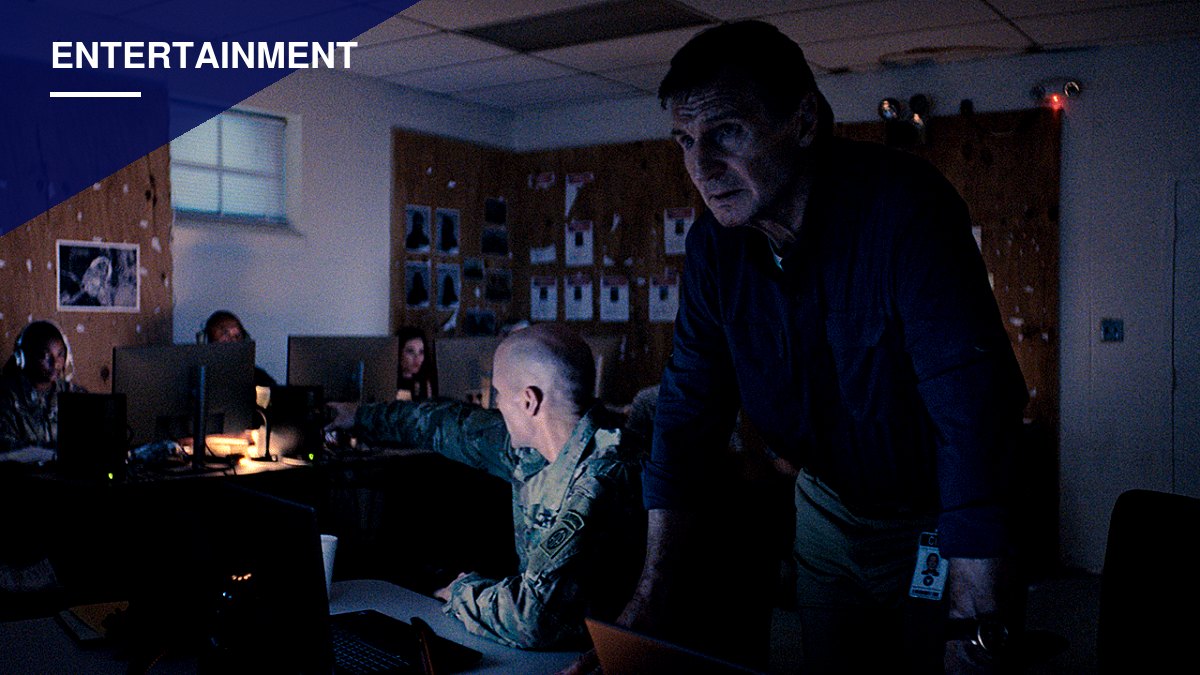
Liam Neeson says he’s not ready to retire from action films just yet. The 74-year-old actor told Fox News Digital he believes he still has a few more in him.
“Maybe a couple left, you know,” Neeson said when asked whether he plans to move away from the genre soon. “Maybe … I hope I have a couple left.”
Neeson previously joked to Variety that he doesn’t want to still be doing stunts with a walker. His latest project, “The Fix,” opened in theaters Friday. He stars as a former CIA operative alongside Zachary Levi, who plays his protégé.
Neeson said the film digs into what drives men like his character. “There’s this incredible thread of humanity that these men, these extraordinary men, have to eventually analyze or work out what makes them tick,” he said.
Levi described wanting a role that felt different from his past work. “I wanted to do something fun, gritty, darker, in comparison to other roles that I’ve played in the past, and this gave me that and then some, because there was all of the great spycraft and twists and turns and revelations throughout the story, as well as this human foundation,” he said.
A story about second chances
Redemption runs through the film, and Neeson spoke about what that theme means to him personally. “I’d like to think we all need and want second chances, you know,” he said. “We’re humans. We’ve all made mistakes in our personal lives and stuff, you know? It’s extraordinary to be forgiven, and it’s an extraordinary thing to really forgive someone. It really is very, very special. So, you know, I’m 74 years of age. I’ve had quite a few things happen to me that several of which seriously I have been forgiven for, which is just amazing, and then I can return that.”
Levi, 46, compared holding a grudge to “drinking poison, hoping that the other person will die.” He added: “Forgiveness is grace, mercy, understanding, empathy. These are things that we don’t explore enough as human beings.”
Levi said people are too often written off as “an evil monster. And by the way, people do evil things. People do monstrous things. And yet, still, I believe that they are children of God. And yet, still, I believe they are worthy of second, third, fourth chances, right?”
He said boundaries still matter, but withholding forgiveness is “eating us alive as human beings, as a society, in this country and around the world because we’re not able to just see the other as a child of God.”
“The greatest definition of love I’ve ever heard is to will the good of the other,” Levi said. “It doesn’t mean you have to like them at all. It doesn’t mean you have to agree with their decisions at all, but you want them to find the light. You want them to be redeemed. You want that because we all need redemption. We all need forgiveness.”
Levi also said working alongside Neeson was a relief after hearing the old warning not to meet your idols. “That I was not wrong to want to meet one of my idols, you know, like everybody says ‘don’t meet your idols,’ and I get it,” he said, adding that some past encounters with idols hadn’t lived up to expectations, “but fortunately, you get these wonderful, beautiful exceptions.”
Where the story came from
Director Guy Moshe, an Israeli military veteran, said he’d long wanted to make a film drawing on that background without simply retelling real events. The idea took shape around what he called “this urban legend or like CIA lore or whatever, like money hidden in a wall in Tehran since ’79, which may or may not be a true thing.”
Moshe said the concept came together about a year and a half after the U.S. withdrawal from Afghanistan. “I could feel what those American soldiers must be feeling after a 20-year war, handing the keys back to the Taliban or something,” he said, recalling his own experience serving in the Gulf “when we gave back the keys to the PLO after the Oslo agreement.”
“I just knew there and then I’ve got to do this,” Moshe said. “I want to start the film in the evacuation from Afghanistan, and I want give these people some sort of a journey to a mental redemption rather than specific redemption for something, so to fix what was broken in them.”
He described “The Fix” as ultimately being about a father wondering if he wants his son to grow up to be like him, even though the father looks, on the surface, like the hero everyone admires — a nod to the Neeson-Levi dynamic at the center of the film.
As for Neeson’s staying power in action roles, Moshe credited it to authenticity. “We identify the most, especially in the action genre, we identify with real people, with a person that we feel conveys something that we believe is a real person in a real situation,” he said. “It sounds simple. It’s the hardest thing to do in acting.”