Twenty-five years after the September 11 attacks reshaped American security policy, some security analysts say the next serious threat to the homeland may not involve planes, bombs or physical destruction at all. Instead, they warn, it could involve quietly disabling the systems that keep everyday life running.
Since 2001, the United States has poured resources into aviation security, intelligence gathering and counterterrorism. But analysts argue that adversaries adapt to the defenses a country builds, looking instead for the vulnerabilities that have been overlooked. As American life becomes more electronically interconnected, the argument goes, future conflicts may extend into U.S. territory not through physical destruction but through disruption, panic and chaos.
One vulnerability repeatedly cited is GPS — the satellite positioning system that underpins far more of daily life than most people realize. Trucking routes, farming schedules, utility restoration after disasters, emergency response, and military coordination all depend on knowing precise location. Analysts say modern life effectively runs on position data, even though that dependence is largely invisible to the public.
A Recurring Feature of Modern Warfare
GPS interference, spoofing and electronic warfare have become common features of recent conflicts, according to security analysts, rather than isolated incidents. The Department of War has reportedly made the ability to operate without reliable position data — described as contested logistics — one of its top priorities.
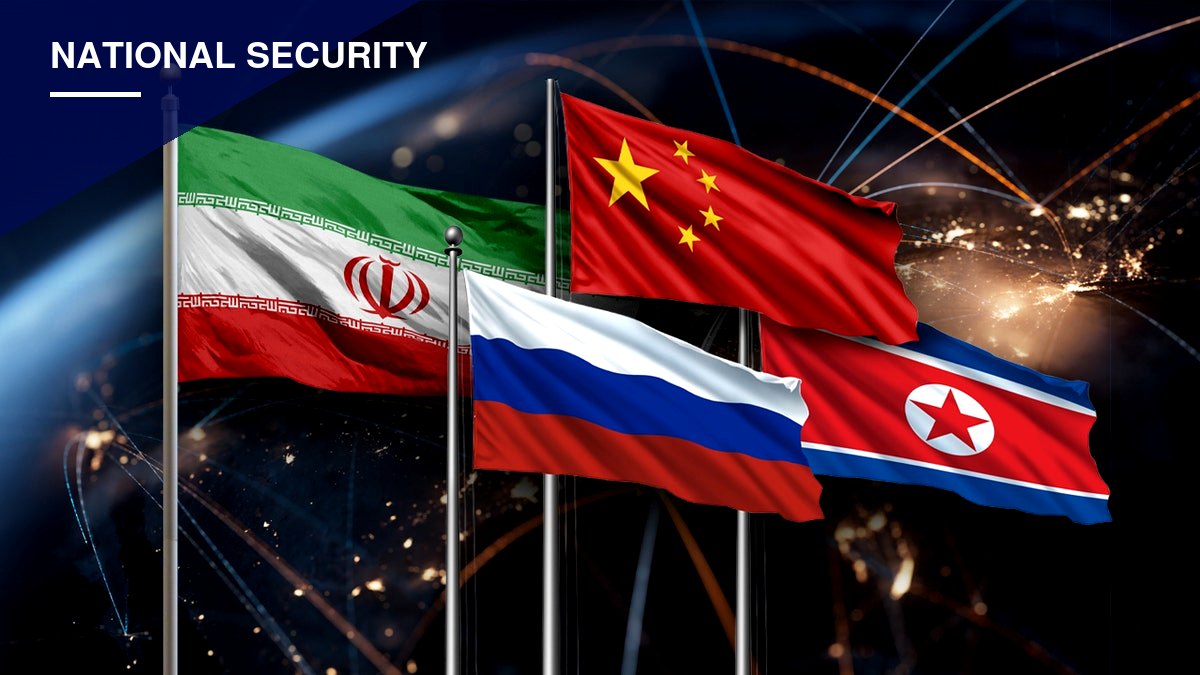
The U.S. Space Force has said China is actively developing and fielding counterspace capabilities meant to disrupt and degrade U.S. space-enabled systems, including anti-satellite weapons, electronic warfare systems and technologies designed to interfere with satellite operations.
Governments have also warned publicly that adversaries continue expanding their ability to jam, spoof and disrupt satellite-based positioning systems. In June, researchers linked several brief but widespread GNSS interference events across Europe to transmissions from Russian satellites, identifying at least three incidents lasting up to 10 seconds.
The Economic Stakes
A National Institute of Standards and Technology-commissioned study estimated that a nationwide loss of GPS services would cost the U.S. economy about $1 billion per day in direct economic impacts alone. The study did not attempt to quantify the broader effects on emergency response, logistics, transportation and public confidence, which analysts say could be more significant.
Analysts point to the early days of the COVID-19 pandemic as an example of how quickly uncertainty about essential goods can ripple through public behavior and expose fragile supply chains. A widespread disruption to positioning systems, they say, wouldn’t necessarily need to stop every vehicle or shut down every road — introducing uncertainty into transportation, emergency response, fuel distribution and commerce could be enough to cause serious harm at a critical moment.
Investment in New Technology
The United States is currently investing billions of dollars in autonomous systems, robotic logistics, AI-enabled command and control, and other next-generation military capabilities. Much of the public conversation about these technologies focuses on their future capabilities, analysts note, with far less attention paid to a basic requirement underlying all of them: continuous, reliable knowledge of position. Whether a vehicle is driven by a person or operates autonomously, it must know where it is to complete its mission.
Security analysts argue that continued investment in artificial intelligence, autonomous systems and robotic logistics should not come at the expense of shoring up the foundational systems — like positioning — that keep the military, emergency responders and infrastructure functioning today. Twenty-five years after 9/11, they say, the lesson isn’t just to prepare for another attack resembling the last one, but to prepare for a fundamentally different kind of attack.