The Federal Reserve raised its benchmark interest rate by a quarter percentage point on Wednesday, its first increase in three years, pushing the federal funds rate to a range of 3.75 percent to 4.0 percent. The decision by the Federal Open Market Committee was unanimous.
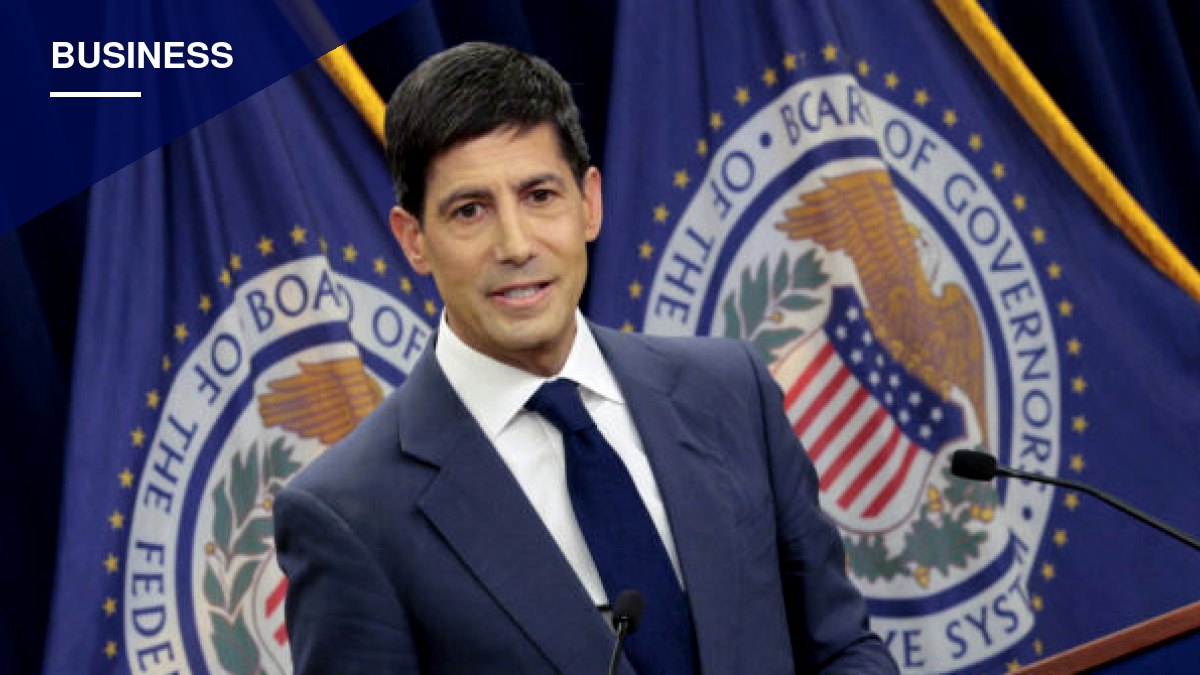
Fed chairman Kevin Warsh said the move reflects growing confidence in the economy. “Our decision comes at a time when the economy appears to be strengthening,” he told reporters at a press conference following the two-day meeting.
The hike reverses course from the Fed’s rate cuts in late 2024 and 2025, which had been driven by worries about a slowing economy and softening labor market. Wednesday’s decision signals that officials now see inflation, which has stayed above the Fed’s 2 percent target since March 2021, as the more pressing concern.
In its statement, the Fed described an economy that is expanding steadily. “Economic activity is expanding at a solid pace. While uncertainty remains elevated owing, in part, to geopolitical developments, domestic spending has been resilient. Productivity growth is strong, and capital investment is robust. Job gains have kept pace with the workforce, and the unemployment rate has changed little,” the statement read. It added: “Inflation remains elevated. Today’s policy action will support a timelier return to the Committee’s 2 percent goal.”
Warsh described the rate increase as pulling back “a dose of accommodation” to help push inflation down toward the Fed’s target more quickly.
Markets had largely expected the move. Fed funds futures priced in a 90 percent chance of a hike before the meeting, rising to 95 percent by Tuesday as the FOMC convened.
Fed Officials See Stronger Growth Ahead
The Fed’s 18 policymakers also released updated economic projections Wednesday, showing brighter expectations for growth and a lower unemployment outlook for this year and next.
The median GDP growth forecast for this year rose to 2.3 percent from 2.2 percent, while next year’s projection climbed to 2.4 percent from 2.3 percent. Growth is expected to hold at 2.2 percent in 2028 and 2.1 percent in 2029, just above the Fed’s longer-run projection of 2.0 percent.
Unemployment is now projected to end this year at 4.1 percent, down from a prior estimate of 4.2 percent, and is expected to stay at that level through 2029 — an improvement from earlier forecasts of 4.3 percent in 2027 and 4.2 percent in 2028. The Fed’s longer-run estimate for full employment stands at 4.2 percent.
The inflation gauge the Fed uses as its official benchmark is now projected to end the year at 3.7 percent, up slightly from June’s estimate of 3.6 percent. The 2027 forecast held steady at 2.3 percent, while the 2028 forecast rose to 2.1 percent from 2.0 percent. Inflation isn’t expected to hit the Fed’s 2.0 percent target until 2029.
More Rate Hikes Likely This Year
Fed officials’ median forecast points to one more rate increase before year’s end. Of the 18 committee members, two projected no further hikes this year, twelve expect one more, and four expect two. The FOMC has two more scheduled meetings before the end of the year.
Projections for future years also moved higher. The 2027 fed funds rate forecast rose to 4.1 percent from June’s 3.6 percent estimate, and the 2028 projection increased to 3.9 percent from 3.4 percent. By 2029, the median projection sees rates easing to 3.6 percent.
The Fed’s longer-run rate estimate — reflecting where officials believe rates would settle once inflation and employment reach their target levels — ticked up to 3.2 percent from 3.1 percent. Officials remain split on that figure: one sees it near 2.7 percent, six project 3 percent, and seven expect it to be higher still.