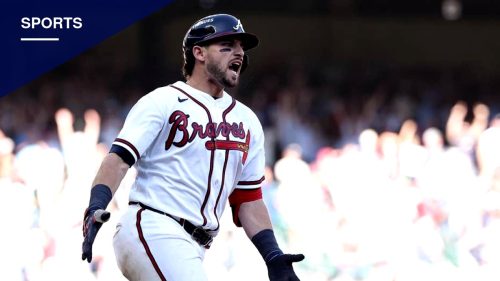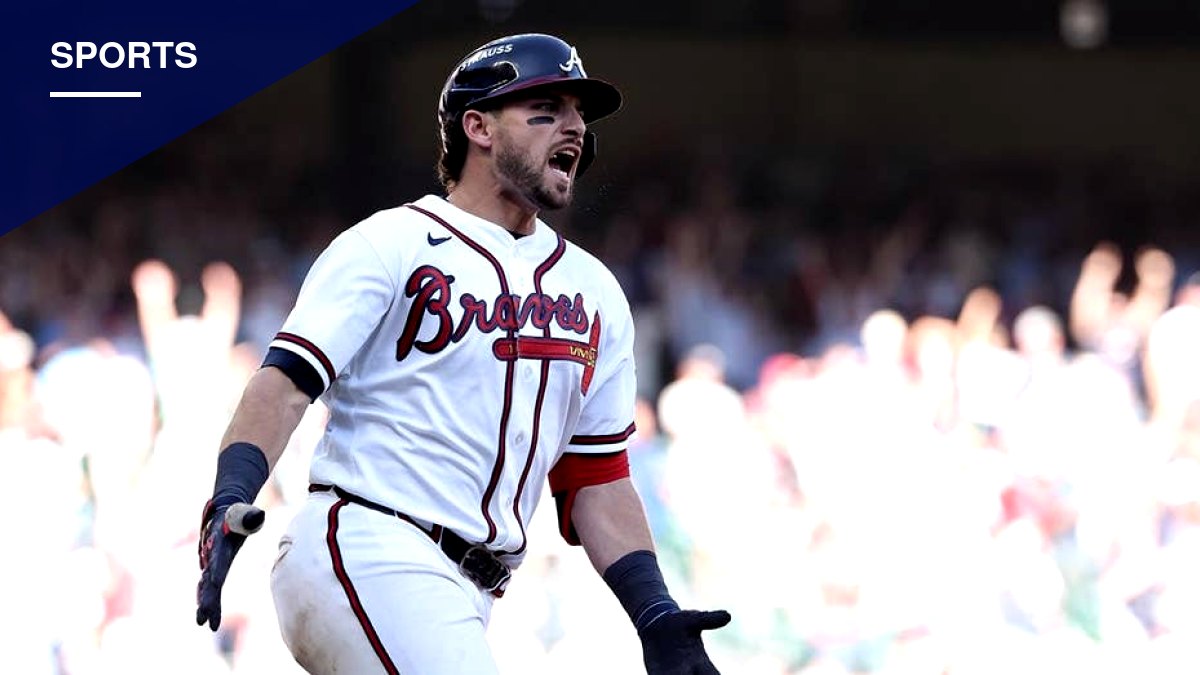
Tuesday’s wild card playoff game between the Atlanta Braves and Philadelphia Phillies delivered the kind of finish Major League Baseball loves to showcase: a tense pitching duel between Jesus Luzardo and Chris Sale, a bold bullpen decision by Phillies manager Don Mattingly to lean on closer Jhoan Duran for multiple innings, and a late, dramatic turn when Braves third baseman Austin Riley hit a two-out, three-run homer to put Atlanta ahead 5-3. Raisel Iglesias closed out the win, giving the Braves a 1-0 series lead and putting Philadelphia in a possible elimination game on Wednesday.
But television cameras following Riley around the bases also caught something else: thousands of empty seats in the stands, with fans in the concourse avoiding late-September heat that pushed close to 90 degrees in Atlanta. First pitch was at 2 p.m. local time, in the middle of a school and work day.
The gap between the drama on the field and the attendance in the stands points to a scheduling problem that has drawn criticism from fans and players alike across several MLB postseason cities this week.
A Scheduling Squeeze
MLB’s best-of-three wild card format compresses four games into the first two days of the playoffs so the division series can start on time. The league’s solution has been to stagger start times throughout the day — this year, 2 p.m., 5 p.m., 8 p.m. and 10 p.m. Eastern.
That approach is meant to prevent games from overlapping and splitting television audiences. In practice, it has produced afternoon start times that conflict with work and school schedules in several markets, including Atlanta.
The effect wasn’t limited to Atlanta. In Houston, where the Astros played a wild card game starting at 4 p.m. local time, attendance was also noticeably light. Astros pitcher Bennett Sousa addressed the issue after the game.
“The fans here are definitely spoiled with a lot of ALCS and World Series runs, and we have to earn that right to bring this team back to that position,” Sousa said. “That being said, when this team was in their first (playoff) series 10 years ago, Minute Maid Park was probably packed. It makes a big difference. If we were in Chicago, it’d probably be loud as s—.”
By contrast, Tuesday night’s wild card game in San Diego, which started at 7 p.m. local time, was a sold-out, loud atmosphere, with the crowd erupting for leadoff and follow-up home runs from Fernando Tatis Jr. and Manny Machado.
More Afternoon Games Ahead
The scheduling issue isn’t confined to the wild card round. MLB has already announced that if the San Diego Padres advance, Game 1 of the NLDS between the Los Angeles Dodgers and the winner of the Braves-Phillies series will start at 1 p.m. local time on a Saturday. Los Angeles is forecast to see an extreme heat wave with temperatures near or above 100 degrees around that time, raising the likelihood of another sparsely filled stadium at Dodger Stadium.
For fans on the West Coast watching games played on Eastern time, the scheduling creates a different problem: an 11 a.m. local start time falls in the middle of a workday, making it difficult to watch without access to a phone or a flexible schedule.
Streaming services such as YouTube TV now offer automatic multi-view options that let fans watch several games at once, and some apps have built similar features, particularly relevant for games broadcast exclusively on Peacock. That capability undercuts one of the original justifications for staggering start times throughout the day.
With several major league cities — including Los Angeles, Houston, Atlanta and others in the postseason picture — facing similar attendance concerns tied to midday start times, the scheduling question is likely to remain part of the conversation as the playoffs continue.