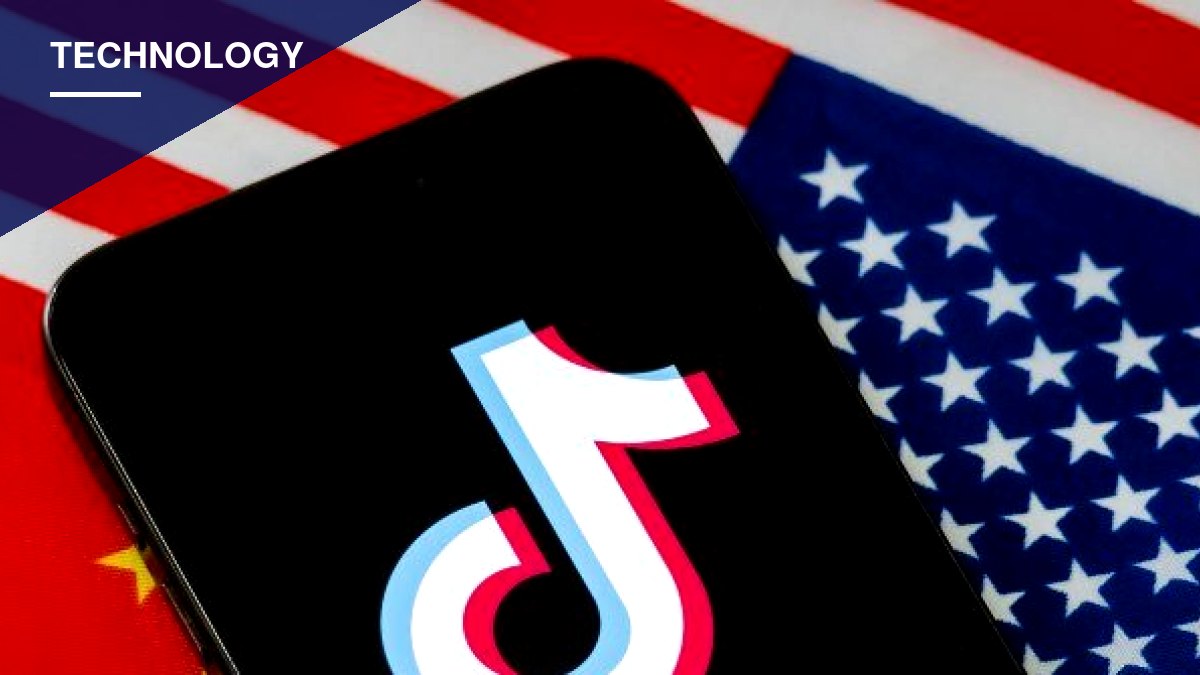
Nearly a year after TikTok’s U.S. operations were officially sold off, the resulting company still depends heavily on technology and practices carried over from its Chinese parent, ByteDance, according to interviews and internal materials reviewed by Politico.
The sale closed in January 2026, creating a new American company called TikTok USDS Joint Venture. But U.S. employees continue to use Lark, ByteDance’s internal chat system, and now also use an AI assistant called Aime, which ByteDance built and which operates inside that same chat platform.
“There is a necessity to be able to speak to our global colleagues, but I can think of a thousand different ways we would be able to do that that wouldn’t necessarily violate at least the spirit of this agreement,” one TikTok employee said of the continued reliance on Lark to communicate with global TikTok colleagues.
Congress required ByteDance to divest TikTok’s U.S. business in 2024, citing concerns over the platform’s ties to data collection and the Chinese Communist Party. ByteDance has denied any such ties. In a 2024 legal filing, the Justice Department alleged that TikTok employees had sent “significant amounts of restricted U.S. user data” to one another through Lark.
The overlap extends to physical office space. U.S. employees must be chaperoned to visit TikTok’s global offices on other floors of the same buildings, and they are barred from bringing laptops into those areas. The platform serves roughly 200 million Americans.
In January, TikTok USDS Joint Venture announced safeguards meant to reassure U.S. users, with a spokesperson saying the entity “will operate under defined safeguards.” An internal post describing how policy decisions get made after the split stated: “Our core principle remains to stay as aligned with global standards as possible, to preserve the global experience.”
Since the deal closed, TikTok US has issued employees new email addresses and ended restricted stock units previously granted by ByteDance, replacing them with a profit-sharing plan that pays cash bonuses tied to operating profits. The company now holds final say over enforcing content policies for American users and says it will “retrain, test, and update the content recommendation algorithm on U.S. user data,” which is housed within Oracle’s U.S. cloud environment. Whether the algorithm itself was licensed from ByteDance, or is still maintained by ByteDance engineers, remains unclear.
Legal pressure on the company has not let up. In August, TikTok agreed to pay $400 million to settle a children’s privacy lawsuit brought by the Justice Department. That same month, Pennsylvania’s attorney general sued the company, alleging its platform was designed to be addictive. TikTok has since announced partnerships with two child safety groups, rejoined the tech lobbying group NetChoice after previously being removed under GOP pressure, and joined Technet, a Washington-based policy organization.