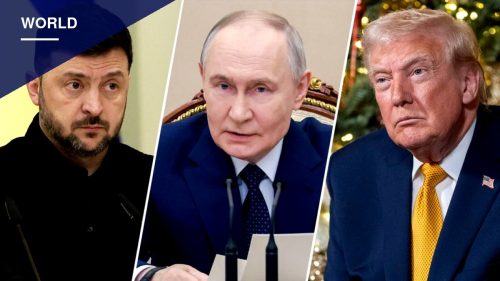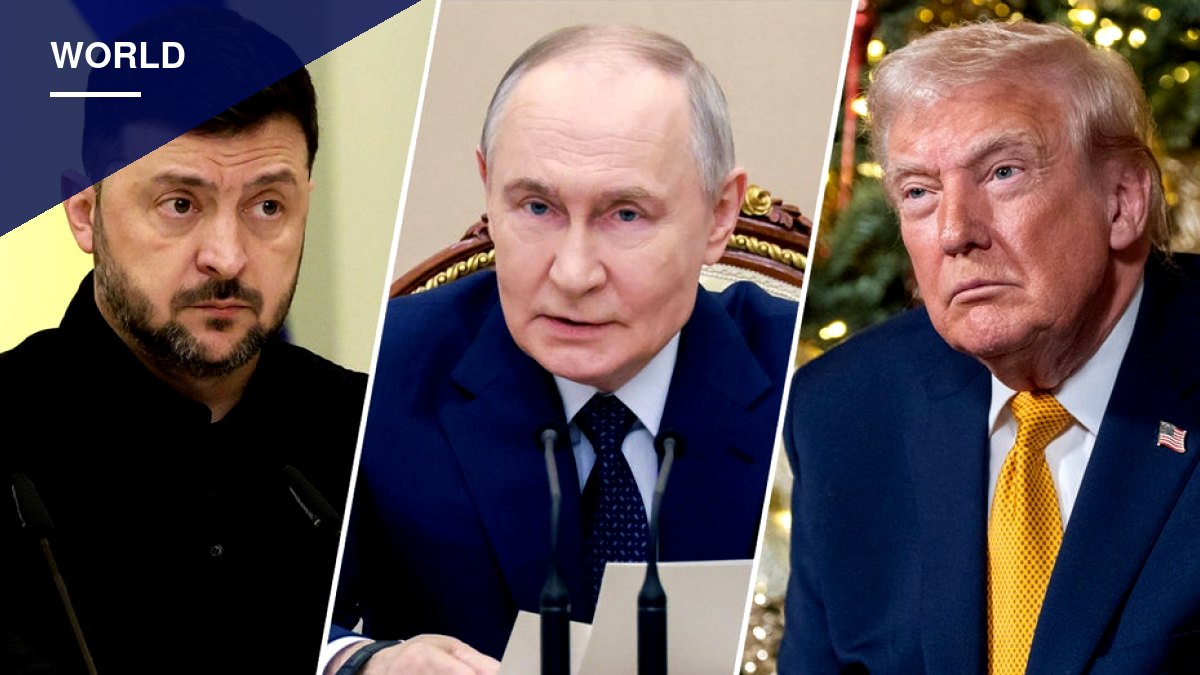
A retired NATO commander is warning that a new U.S.-Russia diesel agreement could end up financing Vladimir Putin’s war in Ukraine, even as President Trump announced what he called an “energy ceasefire” that Ukrainian President Volodymyr Zelenskyy says was never actually finalized with Kyiv.
Retired Gen. Philip Breedlove, the former NATO supreme allied commander Europe and head of U.S. European Command, told Fox News Digital that the diesel deal amounts to striking an arrangement with “the enemy.”
“And so we are cutting a deal with the enemy,” Breedlove said, warning that “all of this money will go into fueling Mr. Putin’s continued attacks in Ukraine.”
The warning follows Russia’s announcement Saturday that it had partially lifted a ban on diesel exports, effective immediately, after reaching a new agreement with Trump for Russia to supply the U.S. and global markets, according to Reuters. Under the arrangement reported earlier by Fox News Digital, Russia is to release 300,000 tonnes of diesel to American and global markets, followed by 500,000 tonnes in November and 1 million tonnes after that.
Trump then announced Sunday on Truth Social that Russia and Ukraine had agreed to an “energy ceasefire.” “Effective immediately, there is an ENERGY CEASEFIRE in the War between Russia and Ukraine. Both parties have agreed. Do not break it!” he wrote.
Zelenskyy pushed back on the characterization, saying Ukraine had not been told of any finalized agreement, though he said Kyiv would be willing to stop striking Russian energy facilities if Moscow did the same. He accused Putin of rejecting every de-escalation proposal Ukraine has offered.
“Ukraine has proposed many de-escalatory steps. Putin had one answer to all of them – ‘nyet,'” Zelenskyy wrote on X. “We do hope that he will finally say something to America, Ukraine, and the entire world that will lead to a real and dignified peace.”
Zelenskyy said Russian forces carried out more than 200 strikes on Ukraine’s electricity generation and transmission facilities over the past week, plus 17 strikes on gas and oil infrastructure, killing more than 150 people and wounding more than 700.
Diverging strategies
The dispute over the ceasefire follows friction between Washington and Kyiv over Ukraine’s drone strikes on Russian oil refineries — a central piece of Ukraine’s strategy to cut into the revenue that finances Moscow’s military campaign.
Breedlove argued the two sides are fighting fundamentally different kinds of war. He said Russia is waging what military planners call a “counter value” campaign, deliberately targeting Ukrainian civilians and infrastructure to pressure the public against its own government.
“Russia is attacking the Ukrainian people and trying to force their society to separate themselves from their president, President Zelenskyy,” Breedlove said.
He predicted the U.S. will now push Zelenskyy to halt strikes on Russia’s oil industry, despite their strategic value to Ukraine. “What I expect will happen is the United States will force or try to force Zelenskyy to stop bombing the petrochemical business in Russia,” Breedlove said.
Trump has sharply criticized those Ukrainian refinery strikes, arguing they disrupt global diesel supplies and raise costs for American farmers and ranchers. Treasury Secretary Scott Bessent defended the administration’s push to boost diesel supply through the Russia deal. “We’re going to do it with all the legal authorities we have,” Bessent said Sunday on Fox News. “This is good for the American people, bringing these diesel prices down.”
Skepticism over Russian intentions
Separately, in an interview on ABC News’ “This Week,” Zelenskyy offered to organize Ukrainian elections if Putin agreed to a reciprocal 60-day ceasefire — though holding a vote would run into legal and logistical hurdles under Ukraine’s current martial law.
Breedlove said he doubts Putin will honor any ceasefire, pointing to what he described as a consistent pattern of Russian attacks shortly after talks with Trump. “Russia has never kept a promise to this president in this war,” he said. “He’s never changed his expectations, and he’s never delivered on his promises. Three out of four of the big cases, the very next day or that same night after the president and Mr. Putin talked, Mr. Putin launched huge attacks in Ukraine.”
Breedlove called for a harder U.S. line toward Moscow. “We now need an administration that leads from power. We say all the time, ‘strength through power,’ but when it comes to Russia, our demonstrated position is continued conflict through weakness,” he said. “He started this war. This war is to benefit Russia, and this war is to keep Mr. Putin in power. And our administration needs to tell him to stop.”