As heating season begins and energy prices climb, a Fox News opinion contributor is arguing that the war involving Iran is only part of the story behind higher bills — and that state-level energy policy in places like New York is the bigger driver.
The writer, who says they have spent more than 20 years in the energy and utility industry, acknowledges that global conflict affects prices because oil trades on a world market: a crisis in the Persian Gulf moves prices everywhere, even in a country that produces large amounts of its own oil and gas. But the piece argues that the United States’ vulnerability to those swings stems from policy choices, not a lack of domestic supply.
One issue raised is refining capacity. The article cites figures showing the U.S. has 130 operable refineries today, down from 301 in 1982, with no major new refinery built since 1976. In the Northeast specifically, the closure of the Philadelphia Energy Solutions plant removed about 335,000 barrels a day of capacity, according to the piece.
New York’s pipeline fight
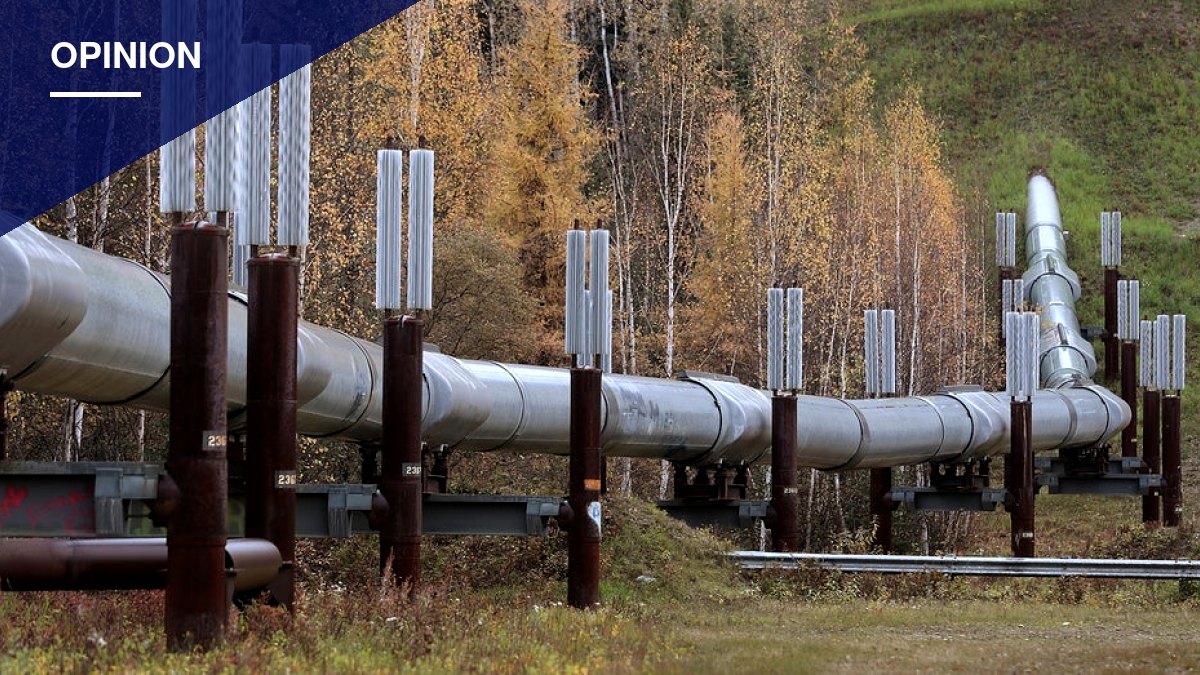
The article points to New York’s decade-long dispute over the Constitution Pipeline as a case study. The proposed line would have carried natural gas from Pennsylvania’s gas fields 124 miles, including 99 miles of new right-of-way through New York. The state denied a required water permit in April 2016, and courts upheld that denial. The company behind the project tried again in 2025 but withdrew in November after receiving three notices that its application was incomplete.
The piece argues this reflects a broader pattern of state policy limiting pipeline capacity and natural gas supply even when nearby gas fields, like those in Pennsylvania, are abundant.
Climate rules and closed plants
The article also criticizes New York City’s Local Law 97, which fines large buildings that exceed emissions limits, with those limits set to tighten sharply in 2030. Building owners face a choice between costly retrofits or penalties, costs the piece says ultimately land on tenants, co-op owners and small businesses.
Beyond New York, the contributor argues that the closure of nuclear reactors and coal plants in various states has removed reliable, cost-effective power sources that especially benefit low-income families, while utility bills, gasoline prices and diesel costs for truckers and shippers continue climbing — costs that the piece says ripple into the price of everyday goods.
Energy is not abstract. It is pipe, wire, steel and supply. Limit supply while demand holds, and prices rise. That is arithmetic, not ideology.
The writer argues that the effects are worse in winter, when utilities on the coldest days scramble for costlier alternatives as pipeline capacity runs full, leaving families on fixed incomes to lower their thermostats rather than absorb higher costs.
The argument’s bottom line
The central claim of the piece is that a state unwilling to produce or import enough of its own fuel does not achieve energy independence — it becomes a buyer competing against the rest of the world for supply, exposed to price spikes driven by wars it has no control over.
The contributor’s proposed remedies include approving pipeline projects that bring in domestic gas, keeping existing reliable power plants running until replacements are fully built and tested, approving new refinery construction, and phasing in climate mandates at a pace the writer argues working families can afford. The piece also urges voters to weigh candidates’ positions on energy production and refinement expansion in the upcoming November elections.