Minneapolis City Council leaders advanced a proposal Tuesday to eliminate the city’s Office of Community Safety, citing poor management and financial oversight concerns, as part of a broader restructuring of how the city handles policing and violence prevention.
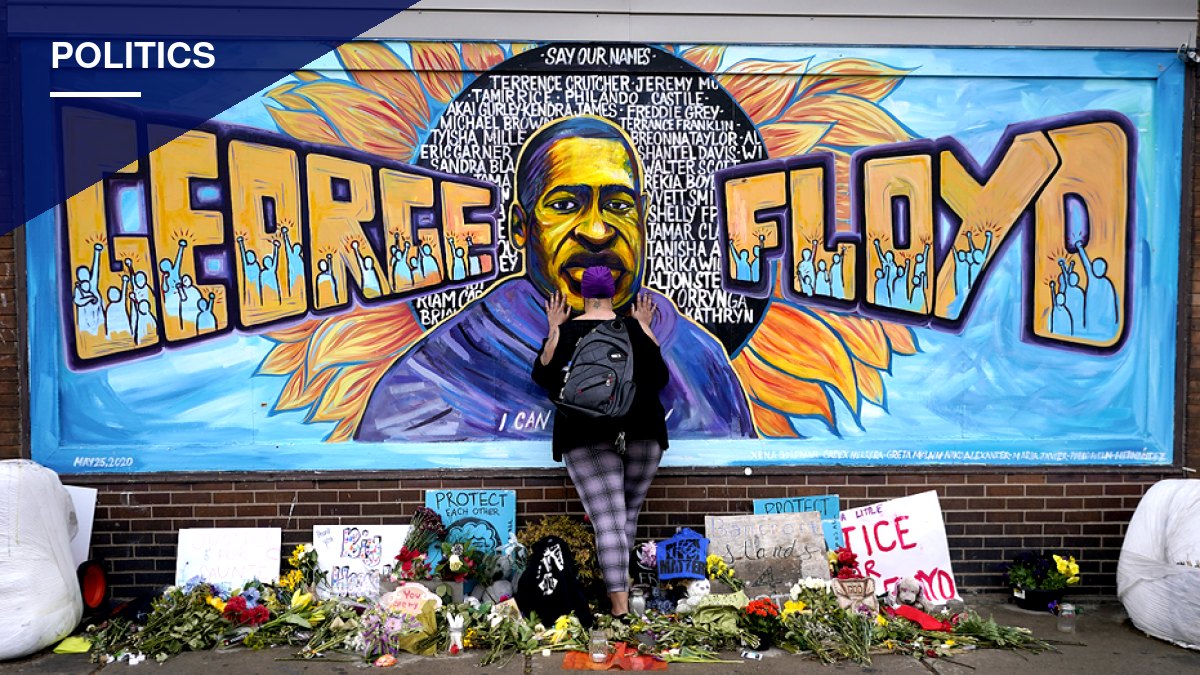
The office was created by Mayor Jacob Frey in 2022 in response to calls for police reform following the death of George Floyd, according to The Star Tribune. It oversees five departments: police, fire, 911, emergency management and neighborhood safety, and was meant to coordinate public safety services and establish a unified chain of command.
Council President Elliott Payne and Council Member Robin Wonsley are leading the push to dismantle it. In a statement to FOX 9, Wonsley said the office has become a drain on taxpayer money.
“It is good governance to stop investing in things that are not producing meaningful outcomes and are wasting taxpayer dollars. The Office of Community Safety has also contributed to increased audit costs due to poor management. It’s our responsibility to cut unnecessary bureaucracy that does not contribute to public safety.”
Mayor Frey, who established the office, pushed back sharply, warning that removing it without a replacement plan could put existing programs at risk.
“This office — one that these council members advocated for — manages services like mental health response, violence prevention and police reform. If council members want these services in jeopardy, that’s on them. This wholesale elimination without a plan, combined with other proposed cuts to MPD, is not a serious proposal when it comes to public safety in our city.”
The push comes amid growing scrutiny of the city’s violence prevention spending. A recent Minneapolis audit found serious deficiencies in the Neighborhood Safety Department’s oversight of community-based violence prevention contracts, including inadequate documentation and financial controls that raised the risk of fraud and misuse of public money. The system examined in the audit has directed more than $36 million to five major violence prevention programs since 2023.
Payne described the restructuring as a way to protect services while cutting administrative costs.
“These proposed changes to the government structure ensure that progress on issues such as public safety and racial disparities is not impacted by unnecessary costs and bureaucratic bottlenecks. Now more than ever, our city government must be responsive to the needs of residents, and its structure should reflect that.”
The city’s published 2026 public safety budget allocates more than $16 million to the Office of Community Safety, nearly $10 million to Neighborhood Safety, and more than $225 million to the Minneapolis Police Department. It is not yet clear how much money eliminating the office would actually save.
Wonsley said key non-police programs, such as the Behavioral Crisis Response team, predated the office and would continue operating without it. She called the roughly $2 million office “administrative bloat” that had become a “bureaucratic barrier” under Frey’s management.
“The city can advance a comprehensive safety system and support police reform much more efficiently without unnecessary bureaucratic layers that have proven to be ineffective. Residents should not anticipate negative impacts because OCS was never able to effectively manage or oversee programs and services. The proposal does not eliminate any violence prevention or public safety programs that produce results. It simply removes administrative bloat.”
The dispute marks a notable reversal for a city that overhauled its public safety structure in the aftermath of Floyd’s 2020 death, with some of the same council members who once backed the new office now leading the effort to tear it down.