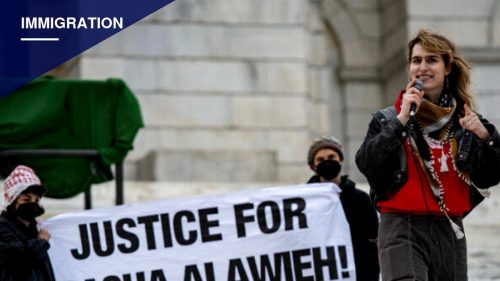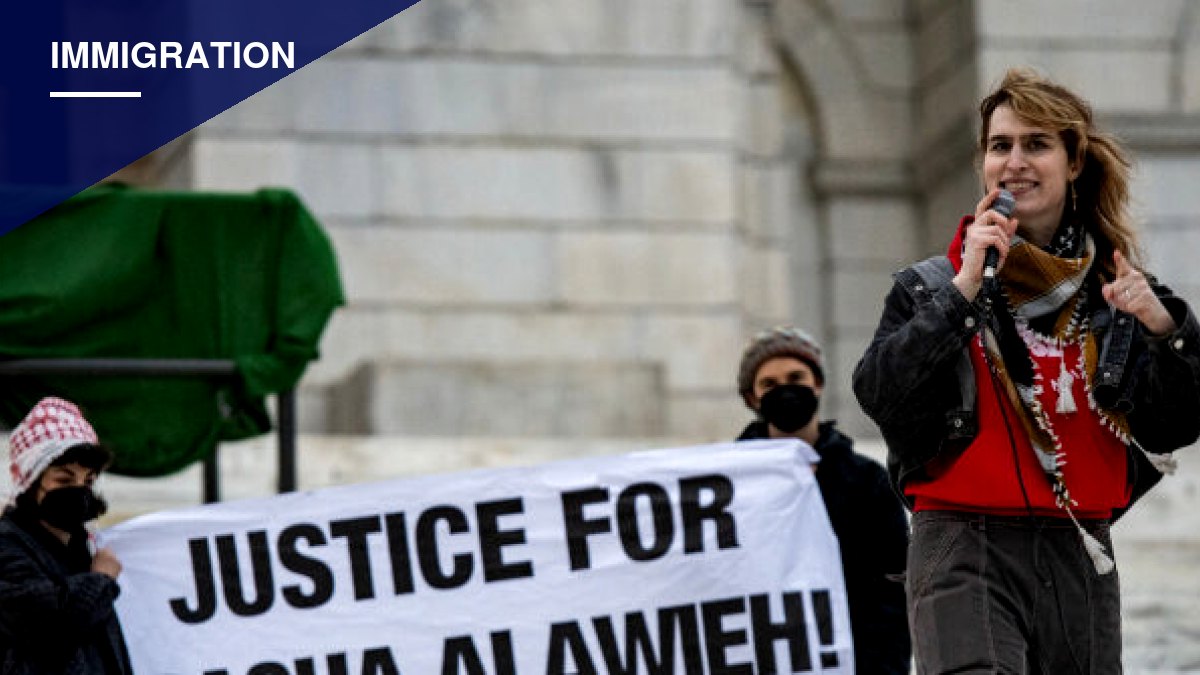
A federal appeals court has upheld the deportation of a Lebanese doctor who was turned away at Boston Logan International Airport last year after border officers found images of Hezbollah figures on her phone.
The First Circuit Court of Appeals ruled on October 13 that it could not review Dr. Rasha Alawieh’s challenge to her removal, leaving in place both her deportation order and a five-year ban on her returning to the United States. The court did not rule on whether border officers were right to deny her entry in the first place — it said federal law simply did not allow it to take up that question.
Alawieh, a transplant nephrologist who had been teaching at Brown University’s Warren Alpert Medical School, flew into Logan Airport on March 13, 2025, after visiting family in Lebanon. Customs and Border Protection officers searched her phone and questioned her through the night.
According to the court’s account, officers found photos and videos of Hezbollah’s late leader Hassan Nasrallah, Hezbollah fighters, and Iran’s Ayatollah Ali Khamenei. They also found images that had been deleted from the phone shortly before she landed.
Alawieh told officers she knew the United States had designated Hezbollah a terrorist organization but said she did not support the group. She said she admired Nasrallah’s religious teachings and had attended a commemoration of his death with her family. She said she deleted the images because she worried about how they would look, and denied any political or military involvement.
An officer ruled her inadmissible, saying the material found on her phone made it impossible to determine her true intentions. CBP revoked her H-1B work visa and ordered her expedited removal.
A Frantic Legal Scramble in Boston
About an hour before Alawieh’s flight out of the country on March 14, her cousin filed an emergency petition in federal court. U.S. District Judge Leo T. Sorokin, based in Boston, ordered that she not be moved outside Massachusetts without 48 hours’ notice. But her attorney was unable to reach immigration officers with that order before they walked her to her departure gate. Sorokin later found the officers had no knowledge of his order at the time and so had not violated it.
Even after Alawieh had already been removed from the country, her lawyers kept fighting, arguing in part that the officers who ordered her removal lacked the constitutional authority to do so.
The First Circuit panel said that argument amounted to a challenge to the validity of the removal order itself, which falls outside the limited set of issues courts are allowed to review in expedited removal cases. The panel affirmed the lower court’s dismissal without ruling on the constitutional question, and Alawieh did not pursue a related argument on appeal.
Immigration advocacy groups had backed her appeal, pointing to her years of legal work as a physician in the U.S. and warning about the broader effects of limiting court review in these cases.
The five-year bar on Alawieh’s readmission generally runs from the date of her removal in March 2025, not from Tuesday’s ruling. Federal law does allow an exception if the government grants her advance permission to reapply for admission.