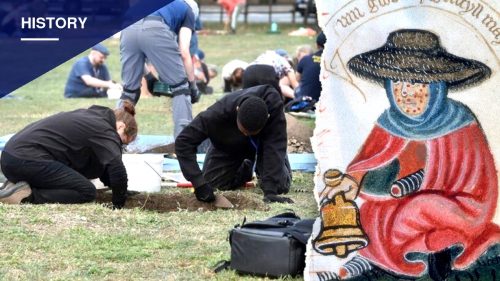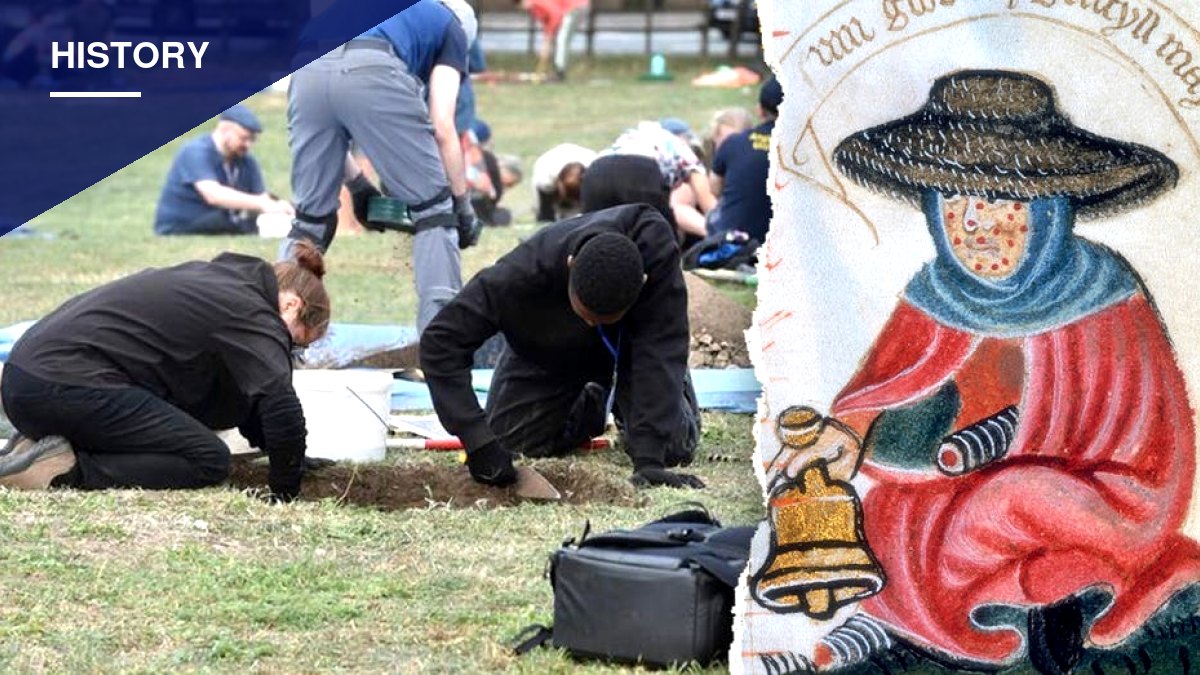
Archaeologists excavating South Common in Lincoln have uncovered new traces of the Hospital of the Holy Innocents, one of England’s oldest and largest medieval leprosy hospitals, shedding fresh light on how patients lived there centuries ago.
The hospital was founded between the late 11th and early 12th centuries and operated for nearly 500 years, at times housing up to 20 patients with leprosy. The latest dig, carried out over three days by archaeologists from the British television programme “Time Team,” follows an earlier excavation last year in which volunteers found walls, building surfaces and artefacts tied to the site.
This round of work identified traces of small, square features that researchers believe may have been individual living quarters or enclosed yards for patients. According to Jam Press, these structures had never been excavated before.
The discovery offers insight into who could access care at a medieval leprosy hospital. Professor Carenza Lewis of the University of Lincoln said admission generally depended on a patient’s means.
“You’d need to have resources to get in here,” Lewis said. “If you had enough money and could buy your way into a leper hospital, it’s a bit like getting a place in a private care home or something like that.”
Historical records indicate the hospital could house up to 20 patients at a time, who may have lived in separate small structures with their own yards. Lewis said documents refer to “curtilages,” or enclosed plots of land, attached to the buildings.
“We know that they had little sorts of curtilages, which implies they’re separate little buildings, little houses with a little yard, perhaps,” Lewis said.
Leprosy, also called Hansen’s disease, is a chronic bacterial infection affecting the skin, nerves and eyes. Left untreated it can cause severe disfigurement, though it is curable with antibiotics today and the disease still exists.
The excavation forms part of a three-year research project led by Anglia Ruskin University aimed at learning more about the people who lived, worked and died at the hospital. Tim Taylor, the creator of “Time Team,” said the site has much more to offer.
“Lincoln has an extraordinary archaeological story, and this site promises to give us the opportunity to uncover a fascinating part of it,” Taylor said, according to Jam Press.
The find follows a similar discovery last year in York, where a sinkhole in a city street exposed remains believed to belong to St. Leonard’s Hospital, one of northern England’s largest medieval hospitals, dating to the 12th or 13th century.