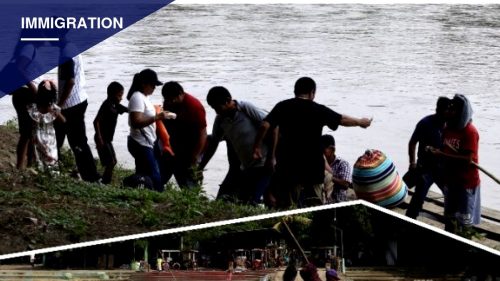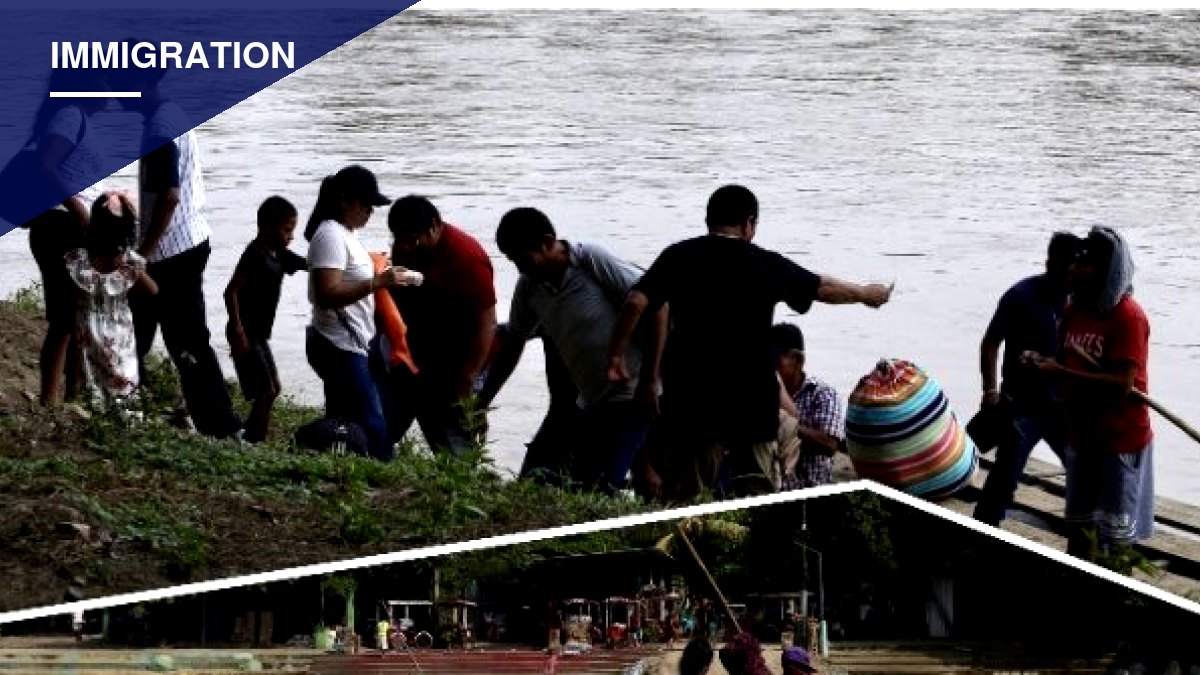
Between 300 and 500 migrants crossed from Guatemala into Mexico on Friday, walking over the Rodolfo Robles International Bridge into the town of Ciudad Hidalgo before continuing north toward the municipality of Suchiate, according to reports out of Mexico.
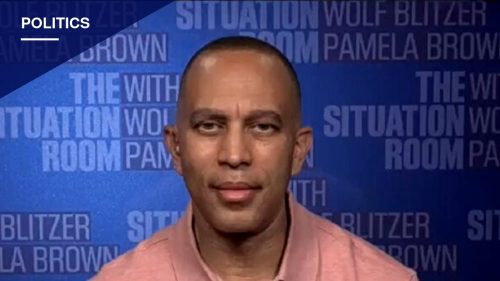
The group’s departure came shortly after Democratic wins in the U.S. House and Senate and in the Texas governor’s race, a timing noted by independent journalist Julio Rosas, who reposted a local report from Diario del Sur on X. “With Dems winning the midterms, migrants will start making their way to the U.S.-Mexico border and wait until Trump’s policies go away. Whether that happens after 2028 is up to American voters,” Rosas wrote.
This is not the first such caravan to form around election news this fall. In mid-October, as it became clear Republicans might lose control of Congress, another group of mostly Central American migrants left Mexico’s southern border with Guatemala. That caravan first called itself “Caravana Sin Fronteras,” or “Caravan Without Borders,” before renaming itself “Fe y Esperanza #2,” or “Faith and Hope #2,” a nod to an earlier caravan that Mexico’s National Institute of Migration had broken up.
The U.S. Department of Homeland Security responded quickly to that October caravan, stating, “There is absolutely ZERO chance this caravan will be allowed into the United States.”
Rosas, who publishes at MostlyPeaceful.media, spoke with members of that earlier caravan who said they were hopeful Democrats would win the midterms. Some of those travelers were reported to have been deported from the United States in recent months. Reentering the country after a formal removal is a federal felony, carrying penalties of up to two years in prison for a first offense and up to 20 years for those with a prior aggravated felony conviction.
It remains to be seen how many in the newest group will attempt to reach the U.S. border or what will happen if they do. U.S. authorities have maintained strict enforcement policies, and anyone previously deported faces serious legal risk for crossing again. The formation of a new caravan so soon after the election results suggests that shifts in U.S. political power continue to shape decisions made far south of the border.