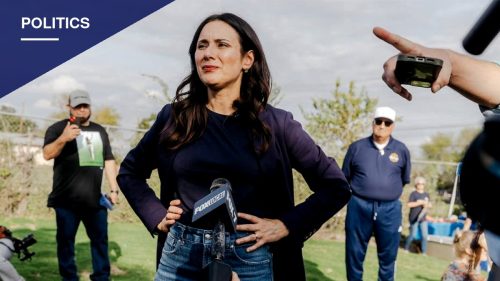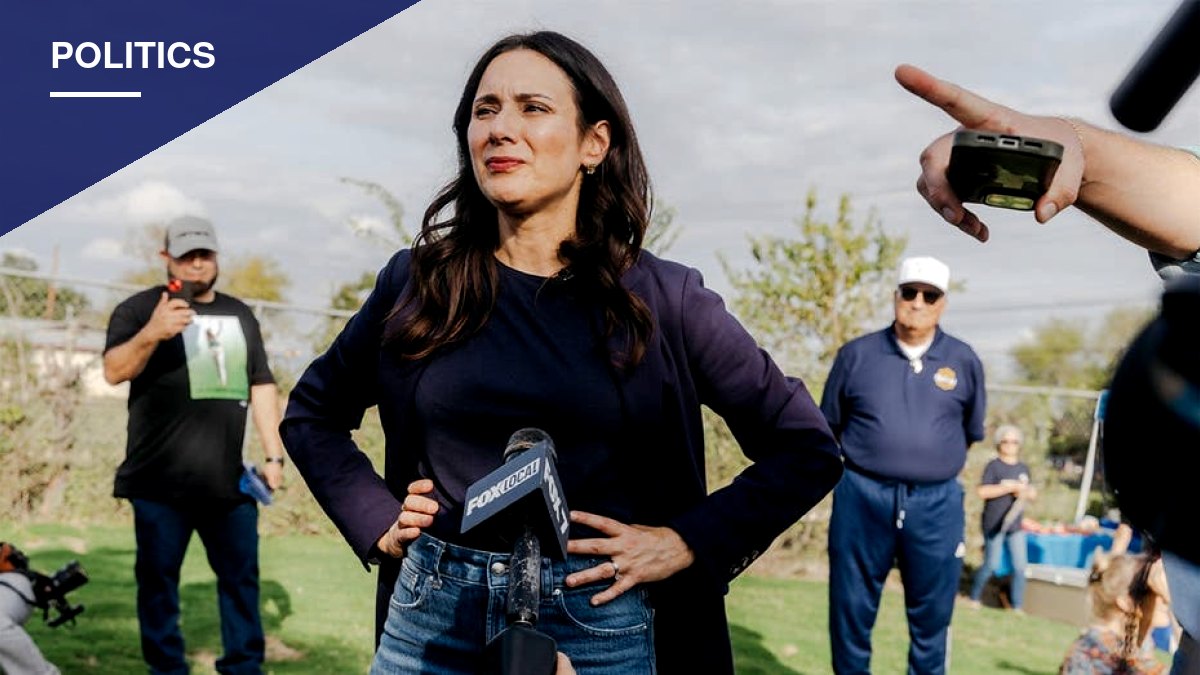
Texas Governor-elect Gina Hinojosa says she will freeze residential electricity rates within her first hour in office, a move that has already drawn skepticism from energy policy experts who question whether she has the legal authority to do it.
“On Day One as governor, I’ll freeze residential electricity rates and make corporations finally pay their fair share,” Hinojosa said in an interview with a local energy data group. She repeated the plan to the Texas Tribune, saying, “Within an hour of taking the oath of office, I will declare a high-cost emergency in the state of Texas and issue an emergency executive order to … freeze electricity rates.”
Hinojosa won her gubernatorial race on Nov. 3 and is scheduled to be sworn in on Jan. 19, 2027.
Her plan would rely on the Texas Disaster Act, which allows a governor to declare disasters and suspend existing regulatory laws and statutes. But Nick Loris, president of C3 Solutions, a conservative coalition focused on energy, environment and agriculture policy, doubts that authority stretches far enough to cover a rate freeze.
“The Texas Disaster Act lets the governor declare disasters and suspend the regulatory laws and statutes that are in existence. But I think there is a high degree of skepticism, both from courts but also from state policymakers, that this warrants such a claim — and that it is such a disaster,” Loris said.
Loris expects legal challenges to come quickly, most likely from energy providers themselves. “I would imagine if there were legal challenges, it would come from those affected parties,” he said.
A market built on competition
Texas electricity policy has been shaped by Senate Bill 7, passed in 1999, which opened most of the state to retail choice starting in 2002. The law lets customers pick among more than 100 retail electric providers rather than being assigned a single regulated utility.
The Legislature justified the change by declaring that “the production and sale of electricity is not a monopoly warranting regulation of rates, operations, and services” and that prices should instead be set by customer choice and competition.
Because of that structure, Texas runs its own independent grid and an energy-only wholesale market, where generators are paid mainly for the power they actually produce rather than for simply maintaining capacity.
Loris compared the system to grocery shopping. “It’s like shopping at a grocery store for cereal for your retail electricity. There’s so much choice that you can enter into. Short-term contracts, long-term contracts, use different fuel sources,” he said.
Concerns about shortages
Loris warned that freezing rates could strain that system by preventing providers from adjusting prices to match supply and demand.
“If the electricity suppliers are not covering the costs that they incur, that’s going to leave them worse off and make it more vulnerable for them to adequately provide that power,” he said.
He described market pricing as a kind of early warning system. “Price signals really kind of act like a traffic light. They tell people when to speed up, when to slow down, or when to come to a full stop,” Loris said.
Hinojosa’s office did not immediately respond to a request for comment on how she would respond if the rate freeze led to an energy shortage.