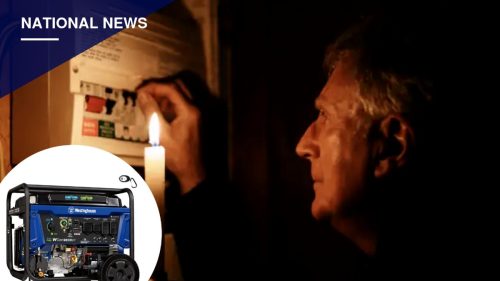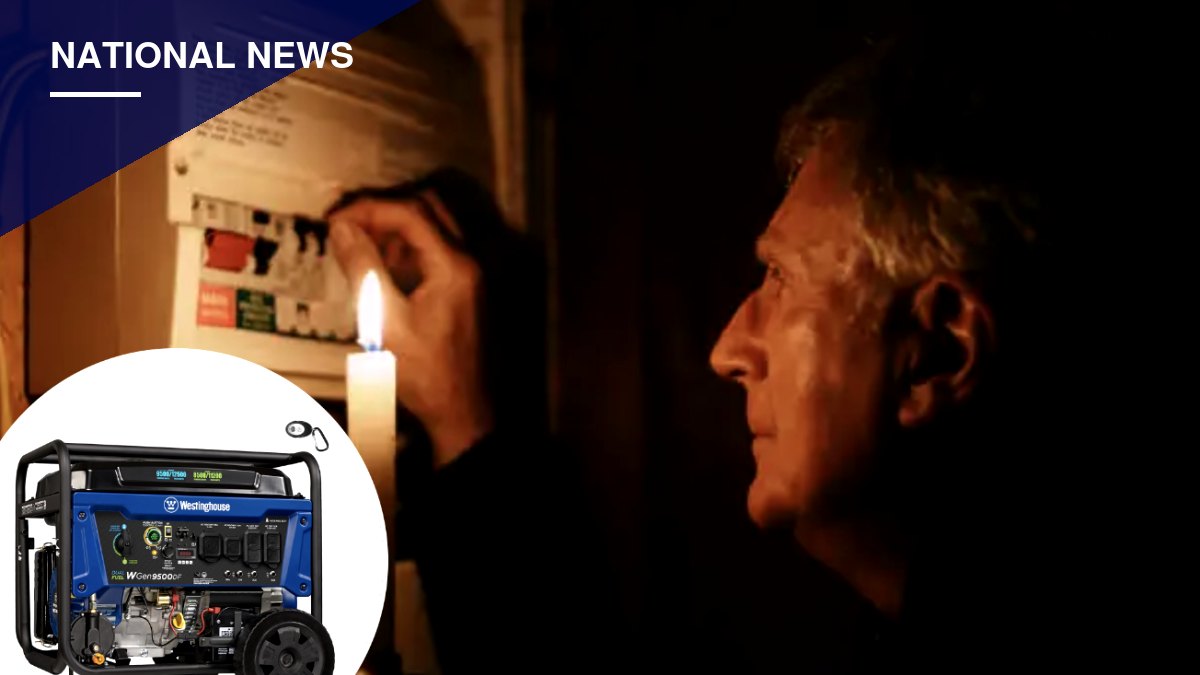
Rumors of a nationwide blackout set for Nov. 17, 2026, have spread widely on social media in recent days, but there is no verified announcement or evidence confirming that a widespread power shutdown is planned.
The speculation picked up steam following a string of recent technology disruptions, including outages reported by customers of Chase, Bank of America and Wells Fargo, who had trouble accessing their accounts and checking balances. Those banking disruptions came just days after major technical problems affected Microsoft services and caused disruptions to air travel across the country.
Amid that backdrop, online posts began warning of a coordinated, widespread power and internet outage on Nov. 17. Those claims have not been substantiated.
What is actually scheduled for Nov. 17
The one confirmed event tied to that date is a nationwide Emergency Alert System test, scheduled by the Federal Emergency Management Agency and the Federal Communications Commission for approximately 2:20 p.m. Eastern Time. The test will briefly interrupt radio and television programming nationwide. It is a routine system check, not a warning or indication that the power grid will be shut down.
No federal agency has issued any announcement of a planned nationwide blackout for that date.
Why outages still happen
Even without a coordinated event, localized power outages remain a normal risk caused by severe weather, equipment failures and other emergencies unrelated to the online rumors. Preparedness experts generally recommend that households have a basic plan for handling an unexpected outage, regardless of any particular date.
That can include having backup lighting, charged devices, stored water and, for some households, a backup power source such as a portable generator. Anyone using a fuel-powered generator should run it outdoors only, kept well away from windows, doors and vents, since generator exhaust produces carbon monoxide, which can be deadly indoors. Connecting a generator to household wiring should only be done through a properly installed transfer switch, following the manufacturer’s instructions.
For now, officials have not identified any specific threat to the power grid tied to Nov. 17. The confirmed activity for that day remains the routine federal alert test, not a blackout.