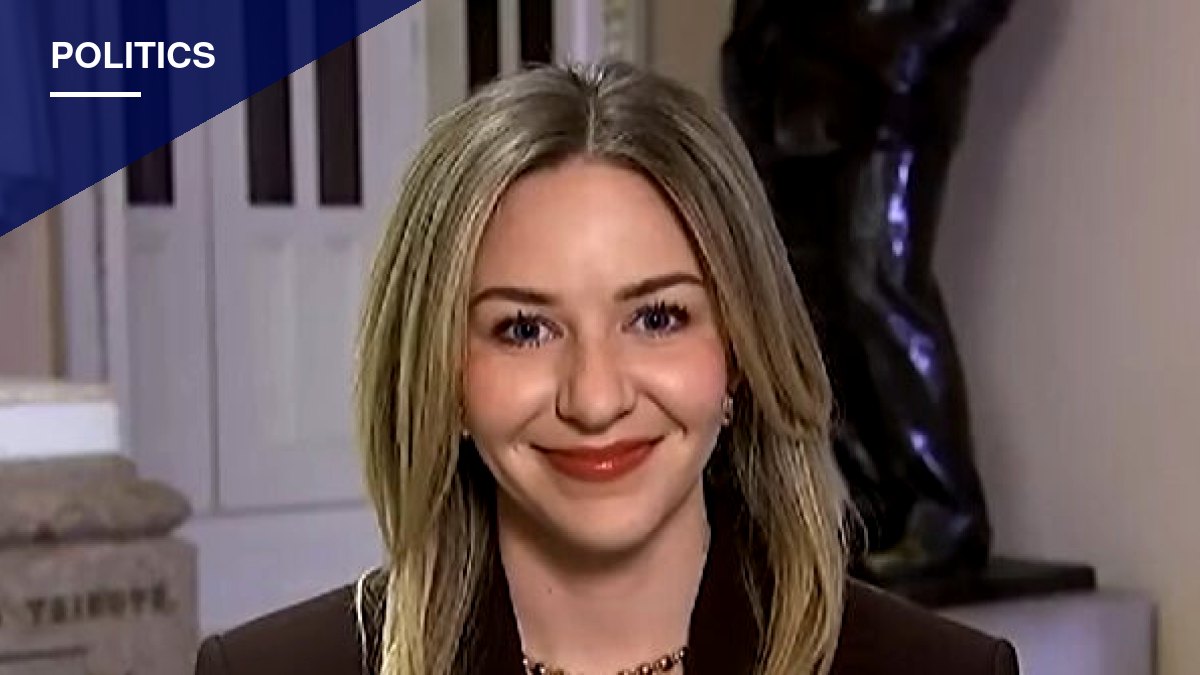
Ohio Democratic Rep.-elect Kristina Knickerbocker struggled to lay out a concrete funding plan when pressed on national television about how House Democrats intend to pay for a policy agenda estimated to cost nearly $5 trillion over the next decade.
Appearing on NBC’s “Meet the Press NOW” Thursday, Knickerbocker was asked by host Kristen Welker about an analysis from the Committee for a Responsible Federal Budget. The group found that House Democrats’ first 100 days plan — which includes reversing Medicaid cuts, restoring SNAP benefits, and restoring Obamacare tax subsidies — would cost close to $5 trillion over ten years.
“How do you plan to fund those priorities without adding to the debt?” Welker asked.
“That’s a great question. And I think, really, we have seen how the Trump administration has been able to find billions and trillions of dollars for all sorts of things. So, we really need to focus on prioritizing right now,” Knickerbocker said.
Knickerbocker, who has served in the military and worked in the civilian healthcare sector, said the country faces a “cost of living crisis” that requires increasing Medicaid funding to keep rural hospitals from closing, along with maintaining funding for reproductive health and children’s services and keeping local hospitals and private providers open.
“The only way to do that is by expanding these resources,” she said. “So, we’re going to have to look at other budget areas, because, ultimately, our American people cannot afford any more taxes right now. So, we need to look at our total overall budget to see where we can reallocate funds.”
She added that Congress needs to reach agreement on tax policy, saying “we do need to cut taxes for those that are struggling to make ends meet. And so, we do have to come to an agreement, as a Congress, that we need to decide where is it that we are going to tax more from?”
Knickerbocker pointed to one possible revenue source: raising taxes on the wealthy. “What we have to do is look at, are we beginning to tax millionaires and billionaires at a higher rate?” she said.
The exchange did not produce a detailed funding mechanism for the nearly $5 trillion in proposed spending, leaving open the question of how Democrats plan to reconcile the agenda’s cost with concerns about the federal debt.