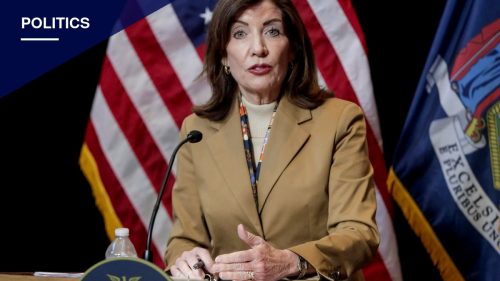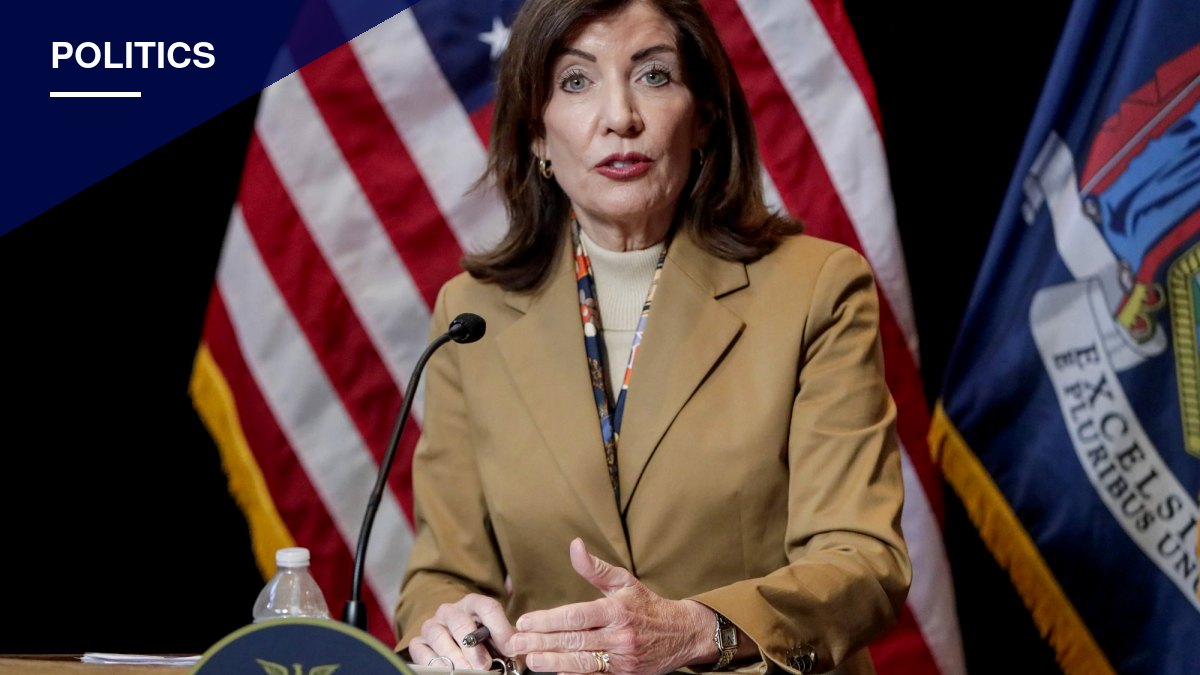
Gov. Kathy Hochul unveiled a Comprehensive Advanced Nuclear Master Plan last week, calling for New York to add 5 gigawatts of nuclear power generation on top of the state’s existing 3.4 gigawatts. The governor describes nuclear energy as “the most sustainable, the most reliable, and ultimately … most affordable way we can power our state.”
The plan would require the state to build more nuclear capacity than the entire country has added in the past 30 years. But critics say the timeline doesn’t match New York’s immediate energy needs.
The New York Independent System Operator has warned that the state will not generate enough power to meet demand within six years. Nuclear plants typically take a decade or more to build, and Hochul’s plan has not yet secured the federal approvals or financing needed to begin construction.
The shortfall is already visible on the ground. Last summer, parts of the Bronx, Brooklyn and Westchester County experienced rolling blackouts over a 72-hour period due to insufficient power generation, according to a report from Syracuse.com.
New York has been working to phase out fossil-fuel power plants under the 2019 Climate Leadership and Community Protection Act, even as new laws increase demand for electricity, including through measures like New York City’s Local Law 97 and growth in energy-intensive sectors such as data centers.
Meanwhile, aging power plants across the state are expected to shut down in the coming years, and state policy continues to discourage new fossil-fuel investment. That shifts more pressure onto renewable energy sources, but wind and solar projects are unlikely to come online fast enough to close the gap. New York also lacks sufficient battery storage capacity to hold power for times when wind and solar output drop, as well as the transmission infrastructure needed to move alternative energy to where it’s needed.
Westchester County has its own history with nuclear power. Public opposition contributed to the early shutdown of the Indian Point nuclear plant, while on Long Island, resident opposition led to the Shoreham plant being shut down before it ever began operating commercially — a decision residents are still paying off through their utility bills.
Supporters of Hochul’s plan note that she is pushing the nuclear proposal despite opposition from environmental advocates, and that every additional gigawatt of nuclear power will eventually be useful once it is built. Some have suggested that federal involvement, including from the Trump administration, could help speed up the permitting process for new nuclear projects.
For now, though, the mismatch between rising electricity demand, shrinking supply from retiring plants, and the long lead time for nuclear construction leaves New York facing the possibility of blackouts and higher utility rates in the years before any new nuclear capacity could come online.