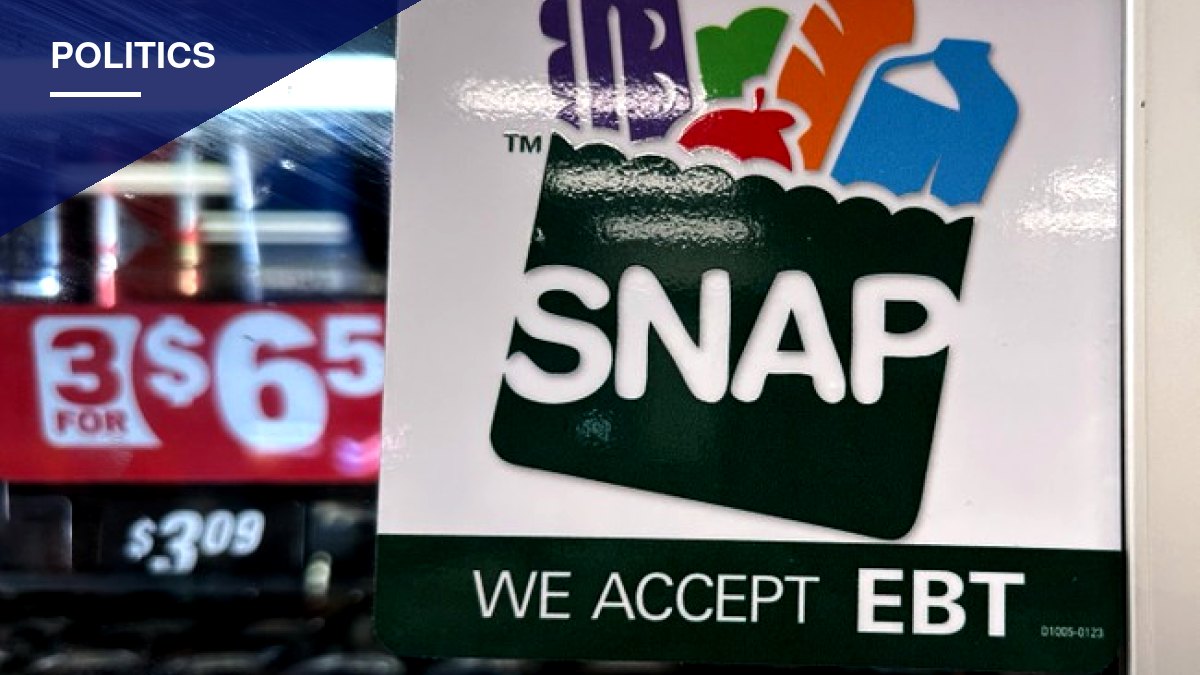
The U.S. Department of Agriculture has proposed new rules that would tighten eligibility requirements for food stamps, targeting a policy that has let some households qualify for benefits even when their income exceeds normal federal limits.
The policy in question is known as Broad-Based Categorical Eligibility, or BBCE. It allows states to automatically qualify people for the Supplemental Nutrition Assistance Program, or SNAP, based on their enrollment in other welfare programs, sometimes triggered by minimal contact such as receiving an informational pamphlet or being given access to a phone number.
According to the USDA, 46 states were using broad-based eligibility policies as of the end of 2025, and 41 of those states applied no asset limits at all when determining who could receive benefits.
Under the proposed rule, automatic eligibility would be limited to households receiving qualifying Temporary Assistance for Needy Families (TANF) benefits, rather than extending to any household that received some form of assistance or service through another program.
A USDA spokesperson told CBS News on November 11 that the existing policy had allowed states to take shortcuts in verifying eligibility, which contributed to rising error rates and allowed some households above federal income limits to receive benefits.
“Correcting this loophole is long overdue,” the USDA spokesperson said.
The agency estimates the change would reduce federal SNAP spending by approximately $44.6 billion between fiscal years 2027 and 2031.
The rule has not been finalized. It is open for public comment through December 10.