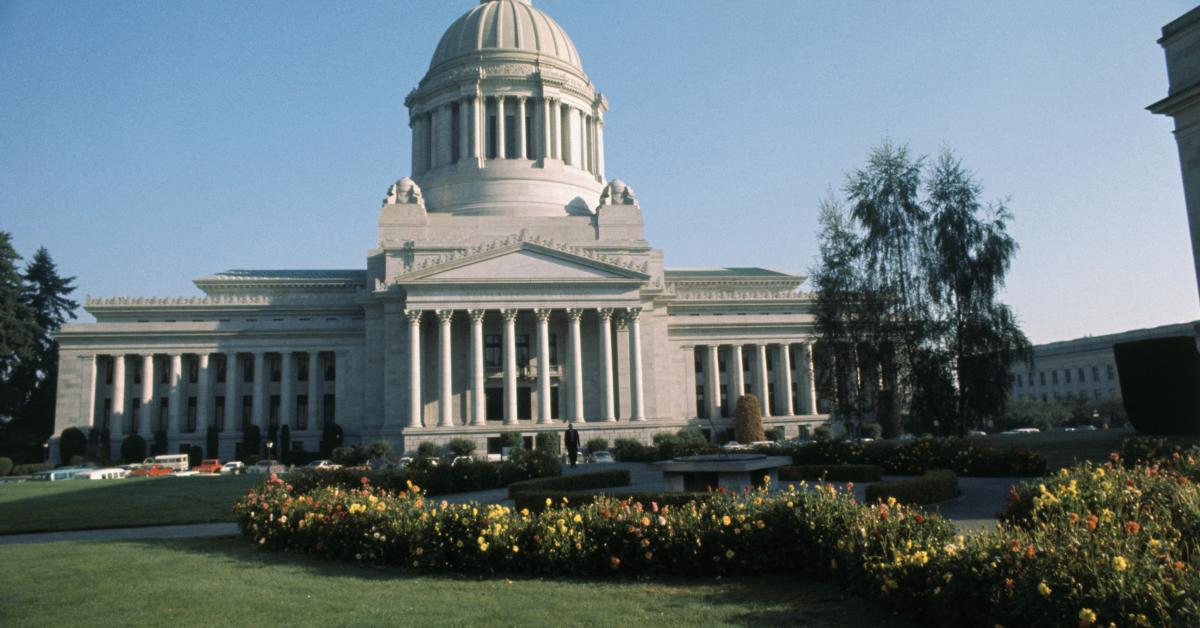
The Washington State Legislature is currently examining a proposal that could change the way law enforcement standards are set across the state.
House Bill 1399, which was approved by the House Appropriations Committee, aims to create uniform standards for law enforcement leadership, including the power for state agencies to decertify elected sheriffs. The bill is now awaiting a decision from the Rules Committee to be debated on the floor.
This proposed legislation has sparked considerable debate, primarily focusing on the eligibility requirements for sheriffs. One of the significant changes suggested is that candidates must undergo background checks before entering the race.
Critics argue that this requirement is unfair since state lawmakers, who are also elected by the public, aren’t subject to similar checks.
The bill has struggled to gain bipartisan support, with Republicans raising concerns about its constitutionality. They point out that there is already a system in place for recalling and investigating elected officials, including sheriffs.
Representative Nicole Macri, a Democrat from Seattle, contends that the bill is about ensuring trust in law enforcement and maintaining consistent standards across the state.
Republicans, while agreeing on the need for integrity in leadership, view the proposal as an unnecessary expansion of government power.
Representative Travis Couture from Allyn questions why elected officials should be held to different standards than the ones who elect them. He asserts that sheriffs are chosen by the people, not appointed by the state, and that elected officials should not be seen as superior to the voters.
Couture expressed his disapproval by highlighting that elected officials themselves do not undergo background checks before assuming office. “No one took our background checks,” he noted, emphasizing the democratic process where voters make the ultimate decision. His stance is echoed by the Washington Association of Sheriffs and Police Chiefs, which has voiced its opposition to the bill.
James McMahon, the Policy Director for the association, criticized the lack of communication from the bill’s sponsor, who allegedly canceled a meeting with them after they expressed constitutional concerns. This lack of dialogue has only fueled opposition to the proposed changes.
Another controversial aspect of HB 1399 is its provision to repeal a law that prevents the state from housing inmates of different sexes together. This has raised alarms among many women who testified that it could endanger female inmates and lead to legal challenges against the state.
Former Chelan County sheriff and current Representative Brian Burnett, a Republican, shared his apprehensions about the bill. He believes that the legislation would face legal challenges and could potentially be overturned. Burnett’s perspective is rooted in his experience as a law enforcement officer and his understanding of the intricacies involved in such regulations.
The bill’s journey is far from over. If the Rules Committee greenlights a floor debate and the House approves it, the legislation will then move to the Senate for consideration. Each chamber must carefully weigh the potential impacts of implementing such sweeping changes to law enforcement standards.
House Bill 1399 has become a focal point of political discussion, with sharp divisions between those who support and oppose it.
The conversation around this bill reflects broader concerns about governance, accountability, and the balance of power between state agencies and elected officials. As the debate continues, the voices of both lawmakers and constituents will play a crucial role in shaping the future of this legislation.
The path ahead for HB 1399 is uncertain, reflecting the complexity and contentious nature of the issues it addresses. Lawmakers on both sides of the aisle will need to navigate these challenges as they deliberate on the proposal’s merits and potential consequences.
The outcome of this legislative process will have significant implications for the governance of law enforcement in Washington State.