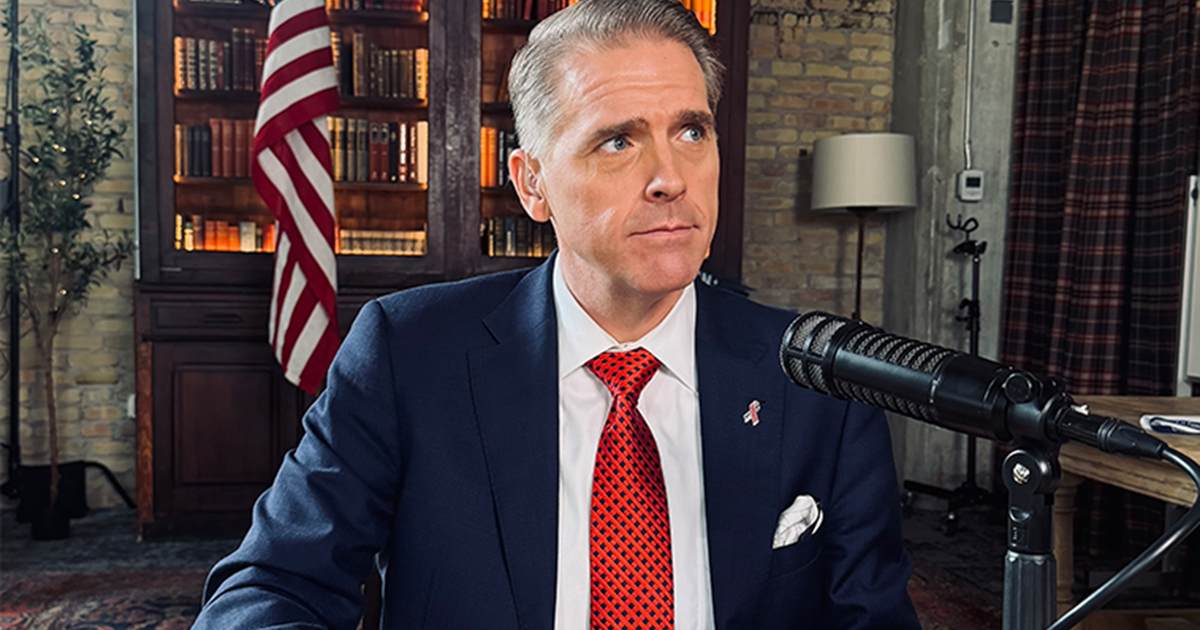
Scott Jennings deftly exposed a weak media talking point on CNN by forcing a Democratic operative to answer a simple, direct question about whether any journalist right now is unable to criticize Donald Trump.
It’s the White House Correspondents’ Dinner this weekend, nicknamed nerd prom by many, and it brings together the political elite and the media class in one crowded ballroom. For those who see the press as partisan opponents, it reads like a reunion of the worst of Washington’s inside game, with critics calling it a gathering of traitors and scoffing that “They hate us, and we hate them.” The event draws attention because of who will be there, and this year President Trump plans to attend alongside top aides, which guarantees hot takes and predictable outrage.
Some journalists have chosen not to attend, either for political reasons or because independent outlets don’t feel obliged to play along with the spectacle. Boycotts aimed at Trump look small and performative to many conservatives, who view the complaints as theater rather than a principled stand. The broader point is that the media’s ability to set the agenda has slipped; for a large portion of the public the annual dinner is background noise rather than a defining political moment.
On CNN the exchange that caught attention was between Democratic operative Paul Begala and Salem Media host Scott Jennings, and it centered on a familiar claim from the left: that President Trump is censoring the press. Begala listed examples meant to show this pattern, including lawsuits, withholding USAID funds, and stripping money from NPR and PBS as evidence of a campaign against independent journalism. Those are the talking points — specific, repeated, and designed to paint Trump as an active suppressor of speech.
Jennings pushed back in a clean, pointed way. He asked Begala a single question that cut through the rhetorical fog: “Name a single journalist who right now is incapable of speaking negatively about Donald Trump.” That line landed because it shifted the argument from policy moves and budget fights to the basic practical reality of whether any reporter is actually muzzled from criticizing the president today.
Paul Begala goes on rant about Trump censoring journalists and attacking the First Amendment.@ScottJenningsKY issued a simple challenge to which Begala had no answer:
“Name a single journalist who right now is incapable of speaking negatively about Donald Trump." pic.twitter.com/E39BXy4l6D
— Western Lensman (@WesternLensman) April 25, 2026
Begala’s silence spoke volumes, and Jennings’ expression made it plain that he expected no satisfying answer would come. The moment exposed a mismatch between the sweeping claim of censorship and the observable fact that criticism of Trump is still widespread across the media landscape. Conservatives see this as proof that what the left calls censorship is often a rhetorical weapon rather than an accurate description of a muzzled press.
This isn’t to deny policy disputes about government funding and lawsuits are real, but context matters. Lawsuits can be defended as legal remedies, budget decisions reflect political priorities, and debates over public broadcasting funding have long been partisan flashpoints. When those activities are labeled uniformly as censorship, the term loses precision and becomes a catch-all accusation that invites skeptical pushback rather than productive debate.
From a Republican viewpoint, the exchange highlights two truths: the media’s influence is not what it once was, and common left-wing narratives frequently collapse under a single well-placed question. Jennings’ approach was simple and strategic; instead of trading ideological jabs he forced an empirical test that Begala could not pass. Moments like that matter because they expose how political language can be weaponized to evade scrutiny.
The dinner will be another night of predictable takes and staged outrage, but the CNN segment reminds viewers that performance and policy are not the same thing. That’s why exchanges that demand specifics win attention — they force opponents to either offer evidence or concede the point implicitly by remaining vague. For those skeptical of the media’s claims about censorship, the scene reinforced the sense that accusations are often rhetorical theater dressed up as moral critique.
Whether you plan to watch the dinner or ignore it, the standout takeaway from the Jennings-Begala moment is straightforward: when a claim is broad, ask for a specific example, and watch how the argument holds up. For conservatives who feel the press has been hostile for years, that tactic is both a political strategy and a reminder that clarity beats broad indictment every time.