Hegseth Responds With Emoji to Media Outlets Objecting to Pentagon’s Press Policy
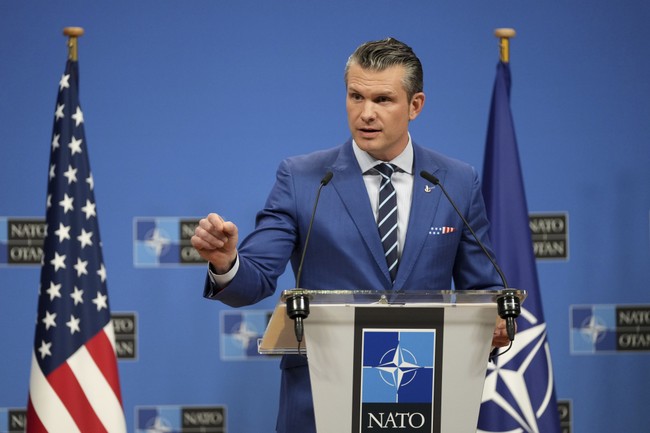
Secretary of War Pete Hegseth used a hand-wave emoji on X to reply after several major outlets said they would not sign the Pentagon’s updated press rules. The exchange boiled down to a short, public shrug from the defense secretary at media pushback. It was a clear, social-media first response to a policy fight played out in public view.
The new guidance asks reporters to follow tighter on-site rules, a point Sean Parnell, Chief Pentagon Spokesman, summed up “in a nutshell.” Parnell said the policy wants journalists to “wear a media credential” and “have an escort for sensitive areas,” language meant to mirror rules at other military locations. Those safeguards are presented as routine, not punitive.
Hegseth posted a short summary on X, noting the change in tone: “Pentagon now has same rules as every U.S military installation.” The message landed amid a flurry of public refusals from outlets that view the form as a constraint on reporting. Rather than escalate with words, Hegseth chose a single, dismissive emoji and moved the debate onto the feeds.
Several top organizations, including The Associated Press, Reuters, The New York Times, The Washington Post, The Atlantic, CNN and NPR, announced they would not sign. Their objections have played out on social platforms and in formal statements, where concerns about access and First Amendment protections were front and center. The disagreement is now as much about symbolism as it is about procedure.
Pentagon access is a privilege, not a right. So, here is @DeptofWar press credentialing FOR DUMMIES:
✅ Press no longer roams free
✅ Press must wear visible badge
✅ Credentialed press no longer permitted to solicit criminal acts
DONE. Pentagon now has same rules as every…
— Pete Hegseth (@PeteHegseth) October 13, 2025
He waved goodbye in response to statements posted on X from The Atlantic, The New York Times, and The Washington Post. The cadence was short and pointed: a single emoji responded to threaded denials from outlets arguing the policy limits routine reporting. The exchange made clear the administration expected the same credentialing and escort practices that exist across the military.
Journalists have until Tuesday at 5 p.m. to decide whether or not to sign the form. Those who do not must turn in their credentials a day later.
Other news outlets, including The Guardian and CNN, have also said they would reject the policy. The announcements reflect the news media’s wide-ranging frustration with efforts by Pete Hegseth, the defense secretary, to curtail the physical movement of reporters in the building and impose fresh limits on their activities.
“CNN’s mission to report fairly and fully on the Department of War, the U.S. military and the Trump administration will continue regardless of physical access to the Pentagon. We will not be deflected from our duty to hold all three fairly and fully to account, and we will continue to report on the actions and decision-making processes of the U.S. government without fear or favor,” CNN said in a statement last week.
In a statement on Friday, Richard Stevenson, the Washington bureau chief of The Times said: “Journalists from The New York Times will not sign the Pentagon’s revised press pass policy, which threatens to punish them for ordinary news gathering protected by the First Amendment. Since the policy was first announced, we have expressed concerns that it constrains how journalists can report on the U.S. military, which is funded by nearly $1 trillion in taxpayer dollars annually.”
The Pentagon Press Association, which lobbies for Pentagon reporters, issued a statement on Monday saying, “This Wednesday, most Pentagon Press Association members seem likely to hand over their badges rather than acknowledge a policy that gags Pentagon employees and threatens retaliation against reporters who seek out information that has not been preapproved for release.” (NYT)
The optics are straightforward: reporters argue the rules could chill reporting, while Hegseth and allies say the policy simply aligns the Pentagon with standard military protocols. For Republicans who back stronger base security and clearer boundaries, the credentialing is sensible and familiar. The row now hinges on whether outlets will yield ground or turn the policy into a public principle fight.
Beyond the social-media exchange, the standoff forces a choice with a tight calendar deadline that could see reporters surrender badges. That outcome would be dramatic and likely feed more headlines, which may be exactly why both sides have been so vocal on X. Expect the debate to stay loud and public until the deadline passes.
The emoji moment cut through the noise without a long press release, but it did not end the argument. Officials insist the rules are standard; media organizations insist they impinge on reporting practices. The week ahead will show which narrative dominates access inside the building and on the platforms where this fight is being waged.