Virginia Dem Gov Candidate’s Appalling Response on Political Violence Is Now an Ad. It’s Brutal.
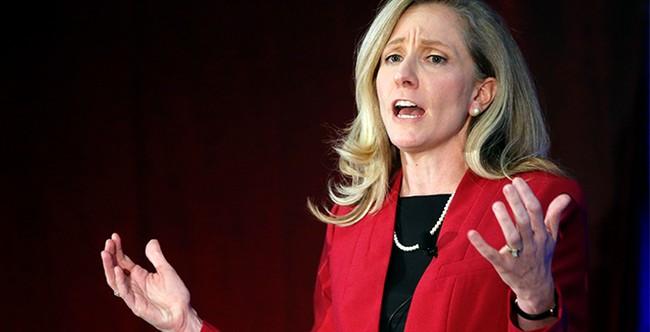
Abigail Spanberger is running for governor of Virginia against Republican Lt. Gov. Winsome Earle-Sears and she just handed the opposition a gift. Her debate performance on two polarizing issues exposed confusion where clarity was needed. Voters want leaders who clearly reject violence and defend common-sense norms, not muddled answers.
Spanberger’s comments on men in women’s bathrooms and locker rooms came off as a scramble to avoid taking a clear position. That kind of verbal fumbling makes it easy for opponents to frame her as out of touch with mainstream concerns. It also signals a pattern: evasive answers when constituents demand straight talk.
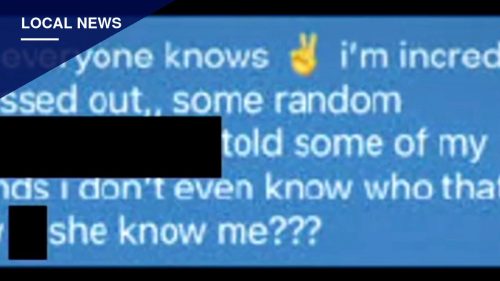
The more troubling issue is political violence, where actions speak louder than hedged language. New revelations about Democratic attorney general candidate Jay Jones include texts in which he wished death on GOP colleagues and even invoked gunshot wounds against the children of then-Speaker Todd Gilbert. Those messages should have been an opportunity for Spanberger to publicly and forcefully disavow extremism.
During a debate Thursday, Spanberger had the opportunity to come out against Jones, but she refused, only stating that she denounced his violent messages.
“Thank you, I didn’t hear an answer there on the endorsement issue so I just want to make sure, will you continue to endorse Jay Jones to be the next attorney general of Virginia and were you aware of these text messages before their release?” the moderator followed up.
“In fact, it appears that it was the, uh, those who released the text messages and held them for years so the public was unaware who had knowledge of these text messages…” Spanberger replied, reiterating she denounced the messages the day they were publicly reported. “And importantly, um, at this point as we move forward, the voters now have this information, information that was withheld for them, presumably for political reasons. But the voters now have the information and it is up to voters to make an individual choice based on this information.”
The moderator pointed out that whether voters continue to support Jones is a separate issue — she wanted to know whether Spanberger continues to endorse him.
“We are all running our individual races. I believe my opponent has said that about her lieutenant governor nominee,” the Democrat continued. “It’s up to every person to make their own decision. I am running my race to serve Virginia, and that is what I intend to do.”
That exchange was a textbook example of political dodging and it landed poorly. She declined to clearly say whether she would continue to back a candidate who celebrated violence in private messages. Faced with explicit wrongdoing, Spanberger offered platitudes and procedural deflection instead of leadership.
Brutal ad that drives home how terrible Abigail Spanberger's debate strategy was pic.twitter.com/HQfgMSxrc0
— Peter J. Hasson (@peterjhasson) October 10, 2025
No wonder Winsome Earle-Sears pressed her, and no wonder that moment was cut into an ad. The ad’s point is simple: voters deserve candidates who stand unequivocally against threats and threats-of-harm, not ones who equivocate when it matters most. Silence or half-measures on politically motivated violence sends a dangerous signal.
I was told that was the rule by her people, meaning local handlers favored containment over confrontation. That inside culture helps explain why Spanberger opted for anodyne language instead of a clear rebuke. Political operatives often mistake caution for prudence, but voters see it as weakness.
When party leaders normalize ambivalence about violent rhetoric, the risk of escalation rises. Left-leaning radicals who flirt with intimidation get reassurances from their own side, and that emboldens bad actors to act out. That dynamic is avoidable if candidates will just call it out—plain and simple.
Spanberger’s debate reply was not a gaffe; it was a choice about how to face political violence and where to draw a line. Republicans will keep pressing the contrast: straightforward condemnation of threats versus careful managing of optics. Voters will decide whether clarity or equivocation is the right bedrock for governing Virginia.