Democrats Are Why Our Healthcare Costs Keep Rising — a direct take on policy, consequences, and who’s paying the bill.
There’s a lot of gaslighting around who’s responsible for rising healthcare costs, and Democrats are at the center of it. During the 40 days of the Schumer Shutdown, Democratic leaders insisted their hands were clean while costs climbed. That narrative blames President Trump and Republicans instead of examining policy choices that shifted incentives and spending.
The reality is simpler and harsher: policy choices matter, and the incentives those choices created are driving prices up. When government steps in to pick winners and subsidize losers, the market signals that usually control cost disappear. Consumers and working families are left to absorb the fallout through higher premiums and surprise bills.
As I’ve written about in the past, Obamacare is working exactly as the Democrats intended it to. It’s not broken. It’s not failing. It’s collapsing the private healthcare system under a crushing weight so Democrats can usher in socialized medicine and take tremendous control over the American economy and our lives.
President Trump is the reason your health care costs are going up.
— Senator Peter Welch (@SenPeterWelch) November 12, 2025
Does Jayapal expect doctors and nurses to work for free? Does she expect pharmaceutical companies to keep creating life-saving and life-sustaining drugs for no profit, no return on their investment? Does she expect medical research companies and labs to continue working to cure diseases and create new treatments without a financial incentive to do so? The answer, apparently, is yes.
Instead of letting insurers compete to lower premiums, Democrats have used government dollars as a backstop that blunts market discipline. Insurance companies get paid to cover people through subsidies and mandates, so they have less incentive to control costs. Hospitals and clinics, meanwhile, shift uncompensated care into higher charges for insured patients.
Those pressure points only worsen when border and benefit policies expand a dependent population that doesn’t pay into the system at the same rate. If millions more are added to the rolls and a significant share is receiving government-paid care, the financial burden shifts to families and employers who still buy insurance. After all, if 42 million Americans are on SNAP, do we really think they’re paying for health insurance, too?
The problem isn’t limited to health care. We’ve seen the same dynamic in education where attempts to make college more “affordable” led to tuition inflation and ballooning debt. Artificially shielding consumers from sticker prices removes incentives for suppliers to keep costs down, and the end result is higher overall spending and worse outcomes.
Look at how other insurance works: homeowners and auto policies protect against catastrophe and major loss, not routine small costs. I pay about $90 per month for my homeowners’ policy, and about $300 a month for car insurance. If we treated routine purchases like paint or tires the way we treat routine medical care, prices would explode because the market wouldn’t be checking waste.
I have a concrete example. Years ago I ended up in the ER thinking it might be appendicitis, but it turned out I was pregnant with my youngest. The hospital pregnancy test cost $90 for a test that’s about $5 at a retail pharmacy. That kind of markup is exactly what happens when routine items are funneled through hospital billing and insurance reconciliation.
Insurance was meant to cover catastrophic events, not everyday services that can be delivered cheaply and transparently. If we restored that model and removed layers of government and administrative interference, premiums and many service prices would fall. But that would require political will Congress hasn’t shown.
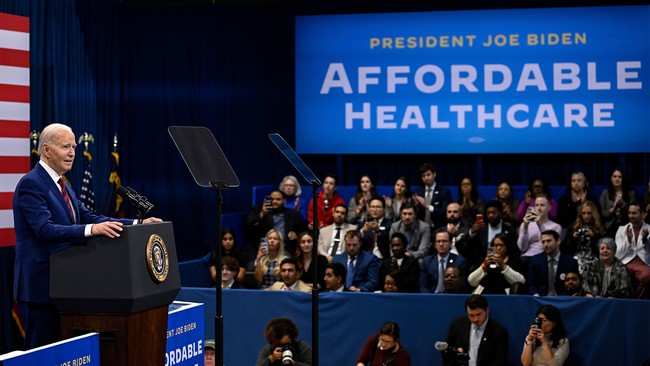
It’s important to remember the votes and the incentives. Democrats passed the Affordable Care Act with zero Republican support, and they backed COVID-era Obamacare subsidy expansions without bipartisan backing as well. Those choices reshaped the market and set the stage for rising costs that families now face in their wallets.
Democrats can keep blaming presidents and political opponents, but policy choices have predictable results. Families paying higher premiums and getting less affordable care are living proof of those consequences, and the political trade-offs behind them deserve honest scrutiny. The debate should center on restoring market incentives and protecting patients, not expanding dependence and eroding choice.