Federal agencies reached a landmark agreement with Northwestern University to address alleged race- and religion-based discrimination, require substantial policy changes, and impose a financial settlement while preserving the university’s eligibility for federal funds.
The Justice Department, the Department of Education, and the Department of Health and Human Services negotiated an agreement with Northwestern that targets unlawful discrimination based on race, religion, sex, or national origin. The deal specifically addresses race-based admissions practices and what federal officials described as a hostile educational environment directed toward Jewish students. It makes clear that universities accepting federal dollars must operate within civil rights law.
Under the settlement Northwestern will pay $75 million to the United States through 2028. That payment is tied to a broader package of commitments the school must make to stay in compliance and remain eligible for future federal grants, contracts, and awards. The financial figure anchors the enforcement action and signals federal seriousness about campus civil rights.
As part of the agreement, Northwestern must follow federal anti-discrimination statutes and stop preferring individuals on the basis of race, color, or national origin in admissions, scholarships, hiring, or promotion. The university also agreed to clear, written policies about demonstrations, protests, displays, and other expressive activities so those events do not become a cover for discriminatory or harassing conduct. Those procedural fixes are meant to protect all students and staff while preserving lawful speech.
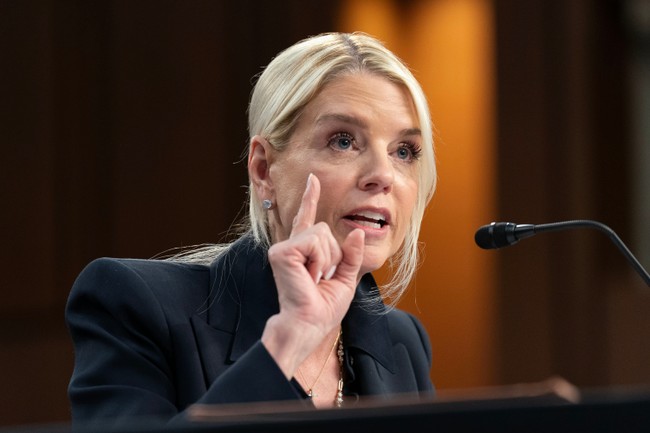
“Today’s settlement marks another victory in the Trump Administration’s fight to ensure that American educational institutions protect Jewish students and put merit first,” said Attorney General Pamela Bondi. “Institutions that accept federal funds are obligated to follow civil rights law — we are grateful to Northwestern for negotiating this historic deal.”
Northwestern’s president and the chair of the board of trustees must certify, under penalty of perjury each quarter, that the university is fully complying with the agreement. In return, the United States will close pending investigations and treat Northwestern as eligible for future federal funding provided the school meets and maintains the required standards.
“Universities that receive federal funding have a responsibility to comply with the law, including protecting against racial discrimination and antisemitism,” said Assistant Attorney General Harmeet K. Dhillon of the Justice Department’s Civil Rights Division. “We appreciate the significant improvements Northwestern has made and are gratified to reach an agreement that safeguards of rights of all the university’s applicants, students, and employees.”
BREAKING: Northwestern University has agreed to pay the U.S. Treasury $75 million, over the course of three years as part of an agreement with the federal government to restore funding and end investigations into the university
Full statement from NU below: pic.twitter.com/kBRyQssOKH
— Matthew Eadie (@mattheweadie22) November 29, 2025
The agreement requires Northwestern to implement mandatory antisemitism training for all students, faculty, and staff and to adopt clear procedures for handling complaints of harassment and discrimination. Those measures are designed to reduce hostile environments and ensure complaints are addressed consistently and transparently. The policy changes aim to make campus processes predictable and accountable.
“The Northwestern agreement is a huge win for current and future Northwestern students, alumni, faculty, and for the future of American higher education,” U.S. Secretary of Education Linda McMahon. “The deal cements policy changes that ‘will protect students and other members of the campus from harassment and discrimination,’ and it recommits the school to merit-based hiring and admissions. The reforms reflect bold leadership at Northwestern, and they are a roadmap for institutional leaders around the country that will help rebuild public trust in our colleges and universities. Congrats to Assistant Attorney General Harmeet Dhillon and all those involved in negotiating this landmark deal!”
The practical effect for higher education is straightforward: institutions that receive taxpayer dollars will be expected to demonstrate clear compliance steps, not just promises. Quarterly certifications under oath, mandatory training, and written demonstration policies make compliance measurable rather than optional. For public officials and conservative advocates focused on merit and fairness, the agreement is a precedent for holding campuses to federal standards while protecting lawful expression.