Republicans are calling out the double standard after the Trump administration struck narco-terrorist boats in the Caribbean, while Democrats and some in Congress demand footage and threaten funding even though past leaders, including Joe Biden decades ago, favored similar tactics.
Democrats have made a big show of going after Secretary of War Pete Hegseth and President Trump over recent strikes on narco-terrorist vessels. Rep. Shri Thanedar filed articles of impeachment against Hegseth, a move that feels political and unlikely to advance past the noise. The attacks are loud, but they ignore history and context.
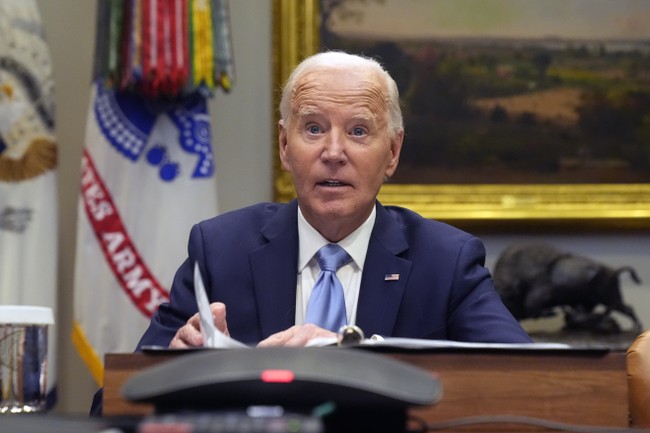
Someone dug up a 1989 clip showing then-Senator Joe Biden calling for action against drug-running boats, a reminder that rhetoric about striking narco-terrorists is not new. That clip lands awkwardly next to furious denunciations from lawmakers who now pretend the idea itself is unprecedented. The Internet found the tape and the political moment instantly turned to accusation.
“For the first time, we are fighting and losing the war on our own soil,” Biden said. “Let’s go after the drug lords where they live, with an international strike force. There must be no safe haven for these narco terrorists. And they must know it.”
Here's a blast from the past, 1989, Joe Biden saying the United States should strike narco boats!
Now, it's a war crime when Pete Hegseth does it.🤦😂 pic.twitter.com/8GhCOl0pJ8
— Mike Engleman🇺🇲 (@RealHickory) December 12, 2025
As conservatives have pointed out, when a Democrat once called for strong measures, it wasn’t treated as a scandal; it was treated as tough talk. The difference now is partisan: the same approach is suddenly intolerable because it comes from a Republican administration. That selective outrage is the kind of politics voters recognize.
There is also a practical record behind current operations: ICE’s authority and many enforcement tools trace back to the 1996 immigration bill signed by Bill Clinton. Policy and enforcement have long been shaped by bipartisan laws and prior administrations, so the claim that these actions are novel falls flat. When presidents of both parties build the toolbox, you can’t pretend the toolbox is illegal because the other team uses it.
Without fail, the media won’t fill pages with declarations calling Biden a “war criminal” over the comments and policy suggestions he made in 1989. The same outlets that treat Trump administration moves as existential threats were perfectly comfortable when similar ideas came from a long-standing senator. That inconsistency matters because it signals political theater, not even-handed oversight.
This is a fair point for anyone paying attention to how Washington works: lawmakers often perform outrage while letting past actions slide if politically convenient. The current calls to demand video and to punish the administration with funding threats play into that performative pattern. Voters see maneuvering; they want results.
A big whoops from the partisan chorus would be forgivable if it came with honesty, but honesty is rare in this fight. The strikes in international waters are legally defensible, and the administration has labeled these traffickers as terrorists as part of a targeted campaign. Declaring a law enforcement priority doesn’t suddenly make it illegitimate when the other side objects.
Congress is now waving the budget as a cudgel, trying to force footage and oversight into a partisan narrative as part of the $900 billion National Defense Authorization Act debate. Threatening to withhold funds or insert restrictive riders after a designation has been made undercuts coherent policy and endangers effective operations. If oversight is sincere, it should be steady and nonpolitical, not a weapon of convenience.
Republicans and voters who support tough enforcement should be clear-eyed: holding criminals accountable on the water and denying cartels safe havens is sound policy, not a stunt. The conversation should be about effectiveness, legal basis, and intelligence safeguards, rather than about scoring points. Washington can do better by focusing on results over optics, even if that means calling out hypocrisy when it appears.