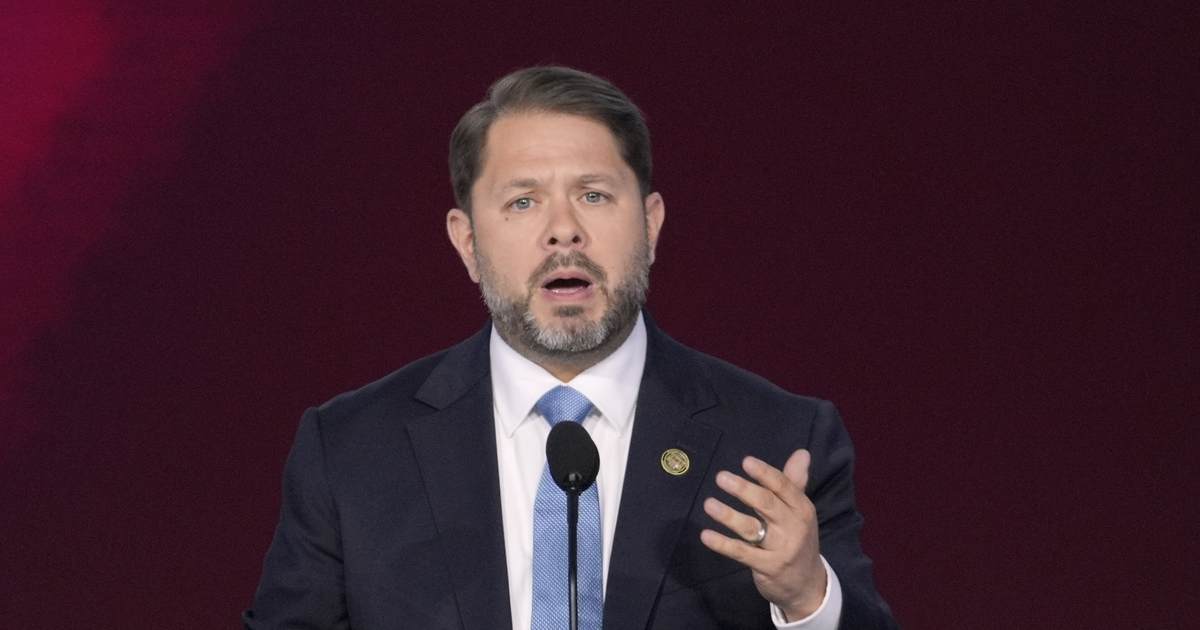
Ruben Gallego stumbled when pressed about the allegations against his onetime friend Eric Swalwell, saying he was unaware of the serious accusations that led to Swalwell’s abrupt resignation amid multiple rape claims and reports of years of inappropriate behavior.
Ruben Gallego looked uncomfortable during an interview when reporters pressed him about the scandal surrounding former Rep. Eric Swalwell. Gallego has been publicly close to Swalwell, and when confronted he shifted from denial to weak qualifiers, which doesn’t pass the smell test for many voters. From a Republican point of view, that kind of evasiveness is exactly the sort of thing that erodes trust in elected officials and their allies.
Gallego told reporters he didn’t know about the alleged rapes and other instances of inappropriate behavior, but then allowed that he’d heard Swalwell was flirty for years. That backtrack looks like damage control rather than clear answers, and Republicans view it as emblematic of how the political class protects its own. When the public expects accountability, vague explanations aren’t good enough.
NEWS: @RubenGallego just gaggled with reporters for 35 minutes
Through tears, he said Swalwell is a “predator” and “lived a double life”
He said he had no knowledge and never witnessed inappropriate behavior but admitted he heard rumors for years of him being “flirty”
— Julie Tsirkin (@news_jul) April 14, 2026
The allegations against Swalwell are serious and specific. One woman said Swalwell raped her in 2019 while she worked in his office, and another came forward with an allegation about 2018. Those claims set off a rapid unraveling of Swalwell’s career, and hours after the reports surfaced he resigned from Congress.
This episode raises questions about judgment and how close political allies respond when scandal breaks. If you’re a public official and your friend faces multiple accusations, you either have a credible explanation or you don’t. Gallego’s performance gave Democrats a chance to ask whether loyalty comes before truth in their circles.
Republicans see a double standard when partisan allies get soft treatment from colleagues and the media. When a member of the other party faces allegations, defenders often drift toward minimization or deflection instead of demanding full answers. That pattern fuels skepticism among voters who want consistent standards of conduct across the board.
The timing of Swalwell’s resignation added to the shock. A sudden career collapse over a few days tells the public something changed fast and dramatically behind the scenes. When powerful people fall that quickly, people have every right to expect clear explanations about what happened and who knew what, and when.
Gallego’s response also spotlighted how political relationships can shield misconduct until someone breaks the silence. That’s the concern here: not just the allegations themselves but the networks that may have allowed problematic behavior to continue. From a conservative perspective, transparency and accountability should be nonpartisan demands.
Voters want to know whether institutions investigate allegations thoroughly and fairly, regardless of party. The handling of this case will be a test of those values. If leaders prioritize insulation over investigation, it damages credibility for everyone involved and gives opponents political leverage.
In interviews, equivocation often looks worse than an outright denial because it suggests incomplete knowledge or willful blindness. Gallego’s attempt to thread the needle — claiming ignorance while mentioning rumors — did not reassure observers. Republican critics argue that officials must either disclose what they know or recuse themselves from defending the accused.
Public trust is fragile, and episodes like this chip away at it when answers are scarce and denials ring hollow. People rightly ask why someone close to Swalwell didn’t raise concerns earlier if there were longstanding reports of inappropriate conduct. The bigger question is whether political loyalty allowed warning signs to be ignored.
Whatever the full facts prove to be, the immediate fallout has already reshaped conversations in Washington. Republicans will use moments like this to call for stronger oversight, clearer complaint processes, and less deference to partisan allies. That push will be framed as restoring accountability rather than scoring partisan points.
The episode also matters for voters who expect better from their leaders. When scandals hit, citizens want decisive action and honest responses instead of guarded statements and slow leaks. Gallego’s freeze during the questioning won’t reassure those voters, and it gives opponents ammo to argue the political class protects itself above the public interest.