
ABC News Under Fire for Framing SNAP Fraud Suspects as ‘Massachusetts Men’
ABC News is facing criticism for describing two suspects as “Massachusetts men” after accusing them of operating a $7 million SNAP fraud ring that sold benefits intended for needy families.
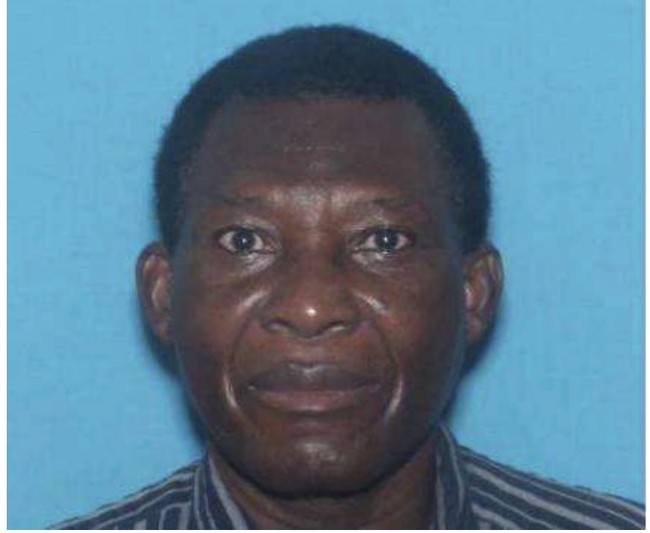
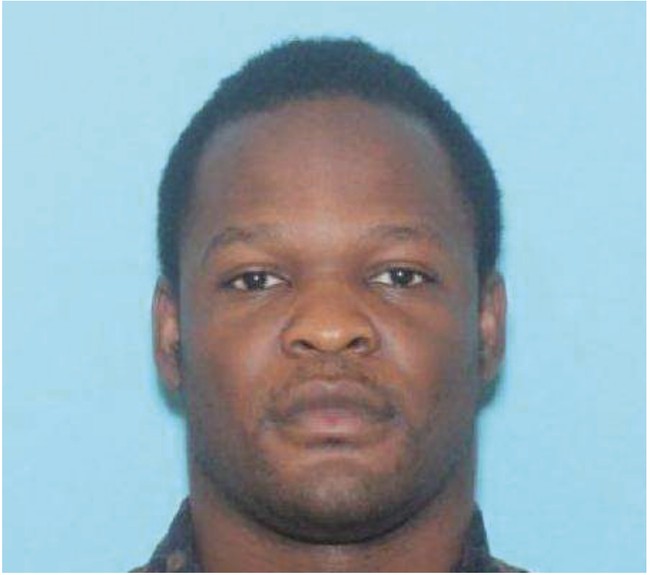
According to the charging documents, the men—Antonio Bonheur, 74, and Saul Alisme, 21—were each charged with one count of food stamp fraud. Bonheur is a naturalized U.S. citizen; Alisme is a lawful permanent resident and a citizen of Haiti.
Recommended
Court records say the men sold Supplemental Nutrition Assistance Program benefits in exchange for cash, liquor, and other items. SNAP is a federal program that serves about 42 million people each month.
Bonheur’s store occupied only about 150 square feet, yet the charging documents say he reported monthly SNAP redemptions between $100,000 and $500,000.
By contrast, a full-service supermarket in the same area typically redeems about $82,000 per month in SNAP benefits.
Investigators noted that each store had only one register and no shopping carts or baskets—conditions inconsistent with the high reported sales. Surveillance allegedly showed frequent large transactions where customers sometimes left without visible merchandise or bags, even after completing hundreds of dollars in SNAP EBT purchases.
Transaction-level data reportedly showed that roughly 10 percent of SNAP transactions were under $40, while over 70 percent exceeded $95. Those patterns are more typical of large supermarkets than small variety stores with limited food inventory.
During undercover operations, authorities say SNAP benefits were trafficked for cash on four occasions at Jesula Variety Store and on two occasions at Saul Mache Mixe Store. In each alleged instance, the defendants worked the registers and directly exchanged SNAP benefits for cash.
Both stores were also reportedly observed accepting SNAP benefits in exchange for liquor.
The charging documents state both stores sold MannaPack meals—a donated food product made by the nonprofit Feed My Starving Children that is intended for humanitarian relief, not retail sale.
Prosecutors allege the defendants sold those donated MannaPack meals in their stores for about $8 per package, profiting from food meant for charitable distribution.
Because the stores allegedly carried little legitimate food inventory and generated minimal lawful revenue, the charging documents say the defendants relied almost entirely on USDA-funded SNAP redemptions for income.
The two men are also accused of maintaining multiple secondary bank accounts to route SNAP payments through accounts that appeared to be legitimate businesses.
A conviction for food stamp fraud involving amounts greater than $100 carries a possible sentence of up to five years in prison, up to three years of supervised release, and a fine of up to $250,000. Actual sentences are determined by a federal district court judge using the U.S. Sentencing Guidelines and applicable statutes.
(function(w,q){w[q]=w[q]||[];w[q].push([“_mgc.load”])})(window,”_mgq”);
Recommended
Trending on Townhall Videos
var _bp = _bp || []; _bp.push({ “div”: “Brid_63696902”, “obj”: { “id”: “6077”, “width”: “880”, “height”: “492”, “autoplay”: 0, “shuffle”: 1, “playlist”: { “mode”: “widget”, “id”: “384”, “widget_type”: “playlist_widget” } } });