Brian Cole, the man accused of planting pipe bombs at the Democratic and Republican National Committee offices on January 5, 2021, is in custody, and the case raises fresh questions about priorities at the FBI, media coverage, and how politically useful stories get attention.
Brian Cole is now detained after authorities say he planted pipe bombs at both the Democratic and Republican National Committee headquarters on January 5, 2021. Early reporting included an erroneous accusation aimed at a female former Capitol Police officer, but the suspect is a man who, according to available details, comes from a well-off background. This combination of facts creates an awkward narrative for outlets and officials who have been eager to link violence to one side of the political aisle. When a case does not fit a convenient political storyline, it often fades from front-page focus.
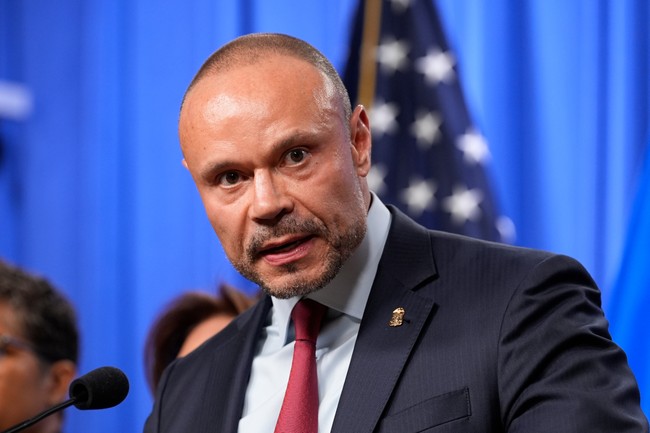
It horrified Deputy FBI Director Dan Bongino.
“I don’t know what the hell the prior leadership was doing outside of—you know—targeting political opponents, weaponizing the FBI, destroying its reputation, embarrassing agents that are doing really good work out there catching terrorists,” he said on Fox News last night. “It’s almost like they were intentionally trying to decimate faith in institutions.” That exact quote cuts to the heart of why conservatives have been skeptical about the bureau’s direction under certain leadership teams.
🚨 JUST IN — DAN BONGINO on why the Biden admin didn’t find the J6 pipe bomber:
“I don’t know WHAT THE HELL the prior leadership was doing outside of—you know—targeting political opponents, weaponizing the FBI, destroying its reputation…”
“It’s almost like they were… pic.twitter.com/61wa1HPzfK
— Nick Sortor (@nicksortor) December 5, 2025
Authorities say there were no fresh tips or new witnesses when Cole was arrested, and that the material used to bring him in had already been in the bureau’s hands for some time. That raises questions about why an alleged perpetrator of such a high-profile act was not the subject of an earlier, sustained investigative push. From a Republican perspective, a pattern of selective urgency on politically useful matters and indifference when stories do not serve a narrative undermines public trust in law enforcement institutions.
The pattern goes beyond timing. When investigations appear to slow-walk without clear operational reasons, people naturally ask whether leadership choices were driven by politics instead of evidence. For years conservatives have pointed to cases where priorities seemed skewed toward targeting political opponents while other serious threats received less attention. This is not merely partisan whining; it’s a concern about whether institutions meant to be neutral are making decisions that look political.
Public faith in the FBI depends on consistent application of resources and a willingness to follow evidence wherever it leads, not on whether a case helps a particular political camp. When investigations into events like January 5 are perceived as toolkits for political advantage rather than straightforward justice, the result is damage to credibility that hurts both agents and the rule of law. Conservatives argue that restoring trust requires reforms that make prosecutorial and investigative choices transparent and insulated from political pressure.
I think we know why things got slow-walked. Investigations that lack leverage against a favored political target rarely get the spotlight, and that reality distorts the public’s sense of who poses real danger and who gets special treatment. The public deserves consistent standards, and the agencies charged with keeping us safe should be judged by results and fairness, not by how well a case plays in the media.
Last Note: Here’s something for a good laugh. Happy Friday.
Editor’s Note: Do you value reporting that holds power to account and calls out bias across the political spectrum? Conservative readers want clarity and fairness from institutions, and stories like this test whether law enforcement follows evidence rather than politics. Subscriptions and support help sustain independent coverage that examines these issues closely and without apology.