A clear, compact account of the Brown University and Brookline shootings, the suspect’s movements and methods, the breakthrough tip that identified him, and puzzling inconsistencies in the official timeline.
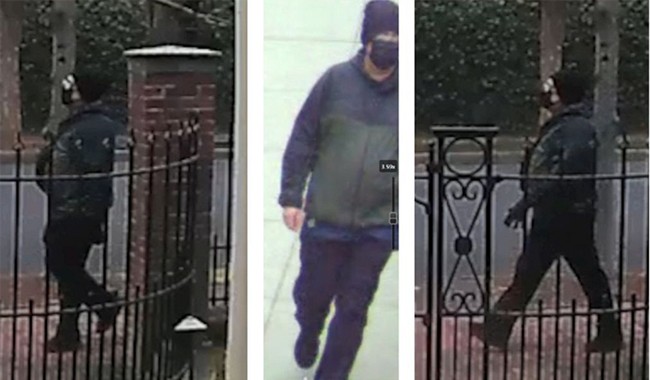
Claudio Neves Valente, 48, is identified as the shooter responsible for the December 13 attack on Brown University that left two dead and nine wounded. Investigators say he also shot and killed MIT professor and former Lisbon classmate Nuno F.G. Loureiro on December 15 in Brookline, Massachusetts. Those dates and victims are central facts as scrutiny turns to how and why a former Brown student became the focus of a cross-state manhunt.
Valente was a legal permanent resident who knew how to avoid leaving easy traces, authorities say, and he took several obvious precautions. He reportedly swapped license plates, relied on a Google phone, and may have used European SIM cards and other apps to complicate tracking. Those moves made the early days of the investigation slow and frustrating for law enforcement and the public alike.
Despite the evasive tactics, a critical civilian lead broke the case open. A homeless man identified only as “John,” followed Valente, recorded a description and captured the rental car’s model, make, and tags, then posted the encounter on Reddit. That online tip gave detectives concrete details they could act on when official channels were still scrambling.
US Attorney Leah Foley called Valente “exceptional at covering his tracks,” a blunt admission of how much effort the suspect put into hiding his movements. Law enforcement later located Valente’s body in Salem, New Hampshire, but the timeline around his death proved messy and confusing. The autopsy found he killed himself on December 16, a day after killing Loureiro, even though some filings and reports implied events on December 18, creating a glaring discrepancy in the official paperwork.
JUST IN: An autopsy has revealed that Claudio Manuel Neves Valente, the suspected Brown University shooter, died by su*cide from a self-inflicted g*nshot wound two days before authorities discovered his body in a storage facility in Salem, New Hampshire.
Brooke Taylor: “The big… pic.twitter.com/oQWFg5E5kP
— RedWave Press (@RedWave_Press) December 20, 2025
The affidavit itself contains at least one clear mistake: it said Valente contacted the car rental service on December 18 despite the autopsy date of death being December 16. That kind of error matters because public trust depends on accurate timelines and crisp, verifiable statements in court documents. When paperwork and forensic results clash, critics and skeptics rightly demand explanations and corrections.
Brown University and Rhode Island officials handled the public phase of the investigation poorly, producing conflicting briefings and a lot of confusion. Press conferences and statements were often contradictory, which only magnified the perception of incompetence at a time when the public was looking for steady information. Those missteps turned a tragic crime into a circus of mixed messages instead of a coherent, accountable response.
There are still big unanswered questions about motive and planning, including why Valente targeted both an academic community and a former classmate who was a professor at MIT. Investigators have the facts of movement, method, and victims, but the reasons behind the actions remain a core unresolved issue. That gap leaves survivors, families, and communities with few clear answers and many painful blanks.
The mix of citizen reporting, law enforcement work, and forensic findings in this case highlights how fragile criminal timelines can be when agencies are rushed or disorganized. A homeless man’s persistence provided a decisive clue, and yet official filings failed to align with medical evidence in at least one respect. Those realities point to the need for tighter, more disciplined investigative work so families and the public get correct facts fast.
The episode underscores basic lessons: accurate documentation matters, street-level tips can be decisive, and institutions must avoid turning tragedy into theater. The known facts—dates, victims, Valente’s methods, the Reddit tip, and the autopsy findings—form the backbone of the record as the case moves forward. How authorities clean up the inconsistencies in their reports will be an important part of how this story is remembered.