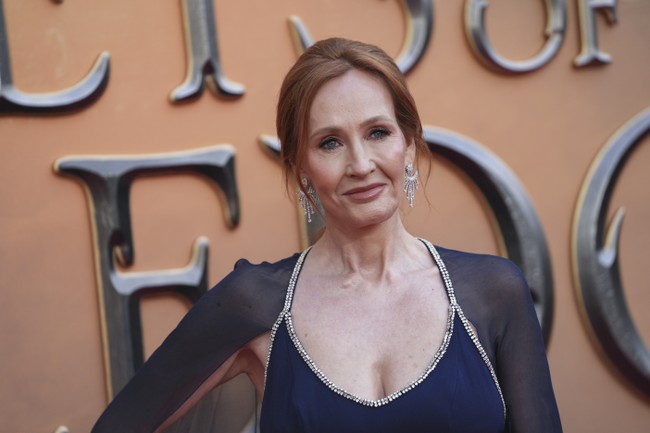
J.K. Rowling has publicly pointed out what she sees as glaring inconsistencies in Labour’s stance on misogyny, calling attention to the party’s tough talk while overlooking cultural and policy choices that, in her view, undermine women’s safety and rights.
The Left likes to lecture about double standards, and the current debate in Britain is a textbook example. Critics argue that strong language about gender-based violence is easy when inconvenient cultural or ideological issues are ignored. That gap between words and actions is exactly what has triggered Rowling and others.
Prime Minister Keir Starmer has used urgent language, calling violence against women and girls a “national emergency” and promising more “trauma-informed” care for children. Those words sound serious, but many conservatives say they ring hollow when the government refuses to confront problematic immigration patterns and failed integration policies. To them, rhetoric without policy change is political theater.
Yesterday, Starmer also pledged to protect Brits from “misogynistic influences.” The pledge reads well on paper, but critics point out that failing to address violent elements among migrant communities undercuts that promise. From this perspective, focusing on messaging while leaving the root causes untouched is hypocritical.
There’s also a major cultural clash playing out with transgender activism and women’s safety. For years the Left has railed against the patriarchy, yet the same political currents have pushed policies that allow men who declare themselves women into single-sex spaces. Many on the right see this as another kind of misogyny, one that erases women’s boundaries and undermines hard-won protections.
I want my daughter to grow up in a Britain where she feels safe in school, online, and in relationships.
Every young girl deserves that, and every young boy should be protected from harmful misogynistic influences.
My government is making that happen, by backing teachers,…
— Keir Starmer (@Keir_Starmer) December 18, 2025
J.K. Rowling has been blunt about this contradiction and refuses to let fashionable ideology silence concerns about female privacy and security. Her comments have struck a nerve because they cut across two powerful trends: appeasement toward radical religious norms and accommodation of extreme gender ideology.
Some voices on the right argue the political solution is simple: electoral change will force a correction in priorities. The claim that “The only way to end this is to vote them all out of office.” reflects deep frustration with what critics call elite capture of cultural institutions and policy levers. Whether that’s the right tactic is a political debate, but the sentiment shows how high the stakes feel to many voters.
Those same critics warn that surrendering to Islamist pressure and identity politics won’t stop at symbolic concessions. They predict tougher social costs: women might be steered into stricter dress codes like the hijab and face restricted access to jobs or schooling as compromises to appease hardline groups. The voice saying “She hopes she’s wrong.” and then “She doesn’t think she is.” reflects a grim, if cautious, forecast from those watching the drift.
There’s a linked argument that pandering to one set of activists makes it easier to placate another. On that view, kowtowing to Islamists and to trans activists ends up eroding the same protections for women. Critics point to public statements and footage they say show the cultural forces pushing these changes and call them “the faces of misogyny right there.”
Supporters of current Labour approaches will dispute the warnings, insisting their policies are inclusive and protective. Still, opponents respond that inclusive rhetoric without firm rules invites lawlessness and cultural erosion. “That’s exactly what they’re doing.” is the summary line many on the right use when they see policing and legal consequences skewed by ideological swerves.
Those who disagree with this critique argue the threats are exaggerated or misread, but detractors answer flatly: “They do not.” The debate is raw and fast-moving, and it’s clear the country is split over whether current leaders are solving the problem or merely signaling virtue. Voices on the conservative side remain determined to keep pushing the point that honesty about threats to women’s safety is not optional.