Rep. Ro Khanna publicly backed Rep. Jasmine Crockett for the Senate, citing generational change and tech-savviness as his reasons, and that endorsement has drawn sharp criticism from conservatives who say the logic ignores electability. The exchange and subsequent comments expose a larger debate inside the party over strategy, messaging, and who can actually flip voters in competitive states.
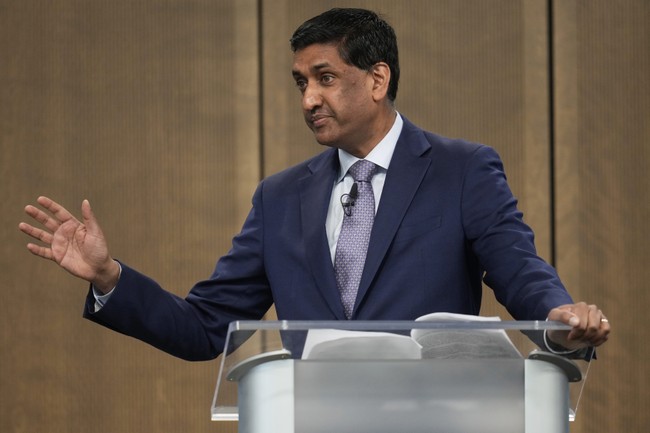
In a recent CNN interview, Rep. Ro Khanna declared he’s backing Rep. Jasmine Crockett’s run for Senate and offered a surprising rationale focused less on policy and more on generational identity. He said, “Sure. She’s new,” and expanded on that point with a string of remarks about new leadership and modern expertise. Those lines foreground youth and technological fluency as central qualifications for high-stakes statewide races.
Khanna’s exact words were: “You know what we don’t need? We don’t need 1990s or 2000 folks leading us into the future. We need a new generation. We need the old guard to step aside. We need a new generation who understands modern technology, who understands the issues of the base. And Jasmine is certainly one of those people.” He also said, “I think she’s going to do very well,” he added. That combination of praise and optimistic prediction is being treated by critics as out of touch with practical campaign math.
Critics note an obvious problem with the generational argument: James Talarico, the other Democratic candidate in the race, is actually younger than Crockett. The age point doesn’t hold up on its face, yet Khanna used it to frame Crockett as the necessary fresh face. Republicans and some independents view the justification as a distraction from the core question: who can win in Texas’s tough, diverse electorate?
Picking a nominee based on perceived tech fluency and alignment with the party’s base risks narrowing appeal at a time when Democrats need swing votes, not narrow victories in primary-style contests. Many Texas voters who backed Trump in 2020 or 2024 will not be impressed by talk of the “issues of the base.” Messaging that assumes enthusiasm from a single slice of the electorate can make competitive general-election coalitions impossible to assemble.
Shortly after announcing her candidacy, Crockett went on national television to claim she doesn’t need to appeal to those who previously voted for Trump. “Our goal is to make sure that we can engage people that historically have not been talked to because there’s so many people that get ignored, specifically in the state of Texas,” she said during an appearance on CNN. That tone reinforces a campaign strategy aimed inward instead of reaching out to persuadable voters.
That public stance — saying she doesn’t need to win over Trump voters — makes the campaign’s path to victory much narrower on paper. In states like Texas, true competitiveness requires some swing and crossover support, not just turnout among the usual Democratic base. For Republicans watching the race, Khanna’s support for Crockett feels like confirmation that Democrats are doubling down on identity and base-first tactics, rather than building broader coalitions.
Democrat Ro Khanna says he supports Jasmine Crockett's Texas Senate campaign because she's "new" and "understands technology." pic.twitter.com/nv0IQQt2eQ
— Townhall.com (@townhallcom) December 9, 2025
From a Republican viewpoint, this is a strategic misstep. Electability in statewide contests depends on credibility with a broad mix of voters, including moderates, independents, and disaffected members of the other party. A nominee who openly deprioritizes Trump voters hands the argument to opponents that the party is willing to cede large voter blocs rather than fight for them.
Internally, Democrats may be convinced Crockett energizes activists and brings fresh energy, but the public record of interviews and statements tilts the conversation toward identity and base-first appeals. That’s a gamble in Texas, where cultural and economic concerns still drive many decisions at the ballot box. The reaction on the right is blunt: if Crockett is the pick because she’s “new” and “tech-savvy,” that is not the same as saying she’s the candidate most likely to win a statewide general election.
Voters and party insiders will watch how this plays out, and whether Democratic strategists alter course or double down on the same reasoning Khanna laid out. The debate is about more than one Senate race — it’s about how the party chooses priorities, evaluates electability, and decides whether to seek broader appeal or to lock in short-term base enthusiasm.