The U.S. move to seize a Venezuelan oil tanker has sparked debate, with a CNN national security contributor calling it routine while critics try to cast it as escalation.
The operation to take control of a Venezuelan crude oil tanker was carried out with troops boarding by helicopter and has already been captured on video. From the start, legal questions and political spin circulated — but a national security contributor on CNN described the action as consistent with past enforcement. That feed of commentary is worth noting since it runs counter to the reflexive outrage you see from parts of the media.
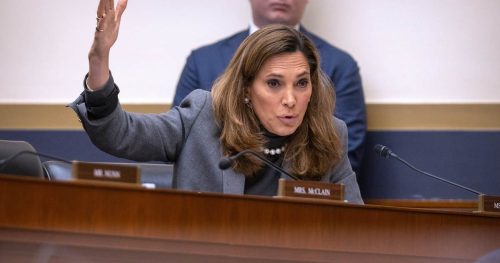
From Beth Sanner:
HUH 🤔 Beth Sanner on CNN says the U.S seizing Venezuelan oil tankers is normal.
Jake Tapper: "There has been this pressure campaign from President Trump for [Maduro] to step down, seizing an oil tanker. That's a much bigger deal than these narco terrorist boats. How could this… pic.twitter.com/0oGKyjh7G5
— DeVory Darkins (@devorydarkins) December 10, 2025
To me, this is absolutely normal. We’ve been seizing Iranian oil tankers in the past. We also, according to the law that I’ve read, that oil is up for forfeiture. So we could keep that. We’ve kept Iranian oil in the past. So I actually think that this is, less controversial in terms of law and sanctions and what has been disputed or not disputed, like I think this is actually a pretty check the box case. What will this mean in terms of escalation? You know, what is he going to do? What is maduro going to do? Is he going to step aside because we’re sanctioning this oil? I mean, you know, we pick up this oil tanker, it’s one oil tanker. Probably not.”
Sanner also believed that the declassification of key Russian collusion documents by the intelligence community was doing Moscow’s bidding. That line of thought surprised some readers because CNN is usually quick to reflexively oppose moves associated with this White House. Instead, this contributor applied precedent and law, not pure political outrage.
There is a straightforward legal argument here: sanctioned property can be seized and forfeited under existing statutes, and officials have done similar actions before. Enforcement of sanctions has always been an ugly, practical part of foreign policy when state or proxy actors try to skirt the rules. If the legal paperwork is solid and the agencies executed the warrant properly, it looks like a law-enforcement action more than an act of war.
The vessel had been accused of violating Iran sanctions, as detailed by Attorney General Pam Bondi yesterday:
Today, the Federal Bureau of Investigation, Homeland Security Investigations, and the United States Coast Guard, with support from the Department of War, executed a seizure warrant for a crude oil tanker used to transport sanctioned oil from Venezuela and Iran. For multiple years, the oil tanker has been sanctioned by the United States due to its involvement in an illicit oil shipping network supporting foreign terrorist organizations. This seizure, completed off the coast of Venezuela, was conducted safely and securely—and our investigation alongside the Department of Homeland Security to prevent the transport of sanctioned oil continues.
That official statement frames the operation as coordinated law enforcement targeting a known sanctions evader, not a random provocation. The agencies named are standard players in maritime interdiction and counter-smuggling work, and the claim that the vessel supported illicit networks is the linchpin for legal action. If you accept the premise that sanctions violations enable such seizures, the move follows established policy.
The mainstream press has tried to link the tanker seizure to unrelated airstrikes against drug traffickers in the region, as if any enforcement activity invites wild geopolitical consequences. Reporters chasing a headline will spin connections that don’t pass muster under sober scrutiny. Conservative readers will notice the mismatch between alarmist takes and the pragmatic legal case officials are making.
Politically, this puts pressure on Maduro’s regime and its backers, and it sends a message that the United States will use tools at its disposal to enforce sanctions. Critics will predict escalation, but one seized tanker hardly changes the strategic balance in Venezuela or Iran. The smarter view is to judge escalation by patterns of behavior, not by a single, carefully executed law-enforcement action.
This episode also exposes media incentives: outlets that typically lean hostile to the administration now face cognitive dissonance when establishment commentators treat the seizure as routine. That tension matters because public perception often follows media framing more than facts. When analysts from different outlets agree the action was lawful and proportional, it undercuts the breathless narratives from partisan corners.
Watch for the legal process to play out in court and for officials to release more evidence tying the vessel to sanctioned networks. Meanwhile, the broader point is simple: enforcement of sanctions is a tool of statecraft, and occasional bold enforcement actions will attract both criticism and support. The important metric will be whether the government sticks to the law while protecting Americans and denying resources to malign actors.