Leftist campus critiques the classic film It’s a Wonderful Life as bigoted, while critics push back and point to real-world threats that reshape holiday traditions.
The holiday season keeps drawing cultural flame wars, and this year the fight reached the movies. A university professor argued that the 1946 film It’s a Wonderful Life carries “bigoted” messages tied to how Black music and communities are portrayed, and that claim has stirred a predictable conservative backlash.
This isn’t happening in a vacuum: commentators note recent security-driven cancellations of public Christmas events in parts of Europe and even arrests tied to plots against seasonal gatherings. Those incidents are used to argue that attacks on traditional celebrations come from real threats, not just word choice or greetings etiquette.
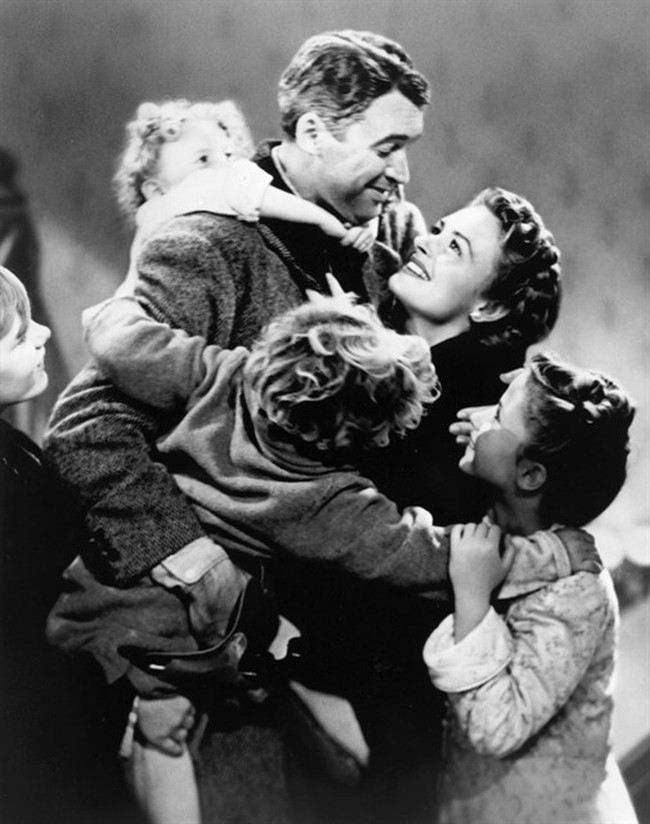
The film itself is an American classic, starring Jimmy Stewart and Donna Reed and directed by Frank Capra. It flopped on first release but rose to cultural ubiquity after a 1970s copyright lapse allowed frequent television showings, turning it into one of the most beloved holiday movies in U.S. households.
The story follows George Bailey, a man who sacrifices his own dreams to serve his community, who, in despair on Christmas Eve, wishes he’d never been born. His guardian angel, Clarence, shows him the alternate world that would exist without his life, and George discovers the deep value of the life he lived. The film’s emotional payoff — friends and neighbors rallying around one man — is exactly why so many families return to it every year.
Then a professor at Carleton University, James Deaville, stepped in with a critical reading. “Some depictions of music and sound beg analysis around how these reflect racist ideas about ‘proper’ musical, social, and community norms,” he wrote. He argues that musical cues, casting choices, and the way certain places in the movie are framed reflect racialized assumptions of the era.
DEI: A left-wing professor now claims It’s a Wonderful Life is racist. The Christmas classic was released this month 79 years ago. The left wants to destroy everything that is wholesome in America. pic.twitter.com/OFLVd08mRQ
— @amuse (@amuse) December 23, 2025
Deaville goes further in his critique, writing, “A key concerning aspect to the music heard in It’s a Wonderful Life revolves around the portrayal of Black musical forms and practitioners. Capra’s known racism against Blacks, consistent with racist discourses and practices of the era, is reflected in how jazz and other Black musical forms appear and are framed.” He points to a White band playing at the Bedford Falls dance and to descriptions of Bedford Falls as “predominantly White” except for the Bailey family’s housekeeper.
He also singles out Pottersville, the alternate, more degenerate version of Bedford Falls, saying it “projects a sense of moral degradation,” and links that depiction to the film’s musical choices. For critics on the right, that approach reads as a solution hunting for a problem: ordinary viewers see a moral tale, not a coded sociology lecture about music or race.
Conservatives pushing back make two main points: the film was made in a different time with different norms, and the plain emotional story of sacrifice and community remains intact for modern audiences. Many argue we shouldn’t rewrite or purge cultural touchstones through a contemporary lens designed to find offense at every turn.
Beyond the film debate, the broader cultural clash matters because it shapes what people think is under threat: tradition, holiday life, or public safety. When commentators mix critiques of classic films with reports of canceled markets and security alerts in Europe, the dispute becomes about how much of our seasonal life we’re willing to surrender to either fear or enforced sensitivity.
Editor’s Note: Every single day, here at Townhall, we will stand up and FIGHT, FIGHT, FIGHT against the radical left and deliver the conservative reporting our readers deserve.