The U.S. military carried out another strike on a vessel accused of moving narcotics near Venezuela, part of a wider campaign of strikes the Pentagon says targets narco-trafficking routes in the Eastern Pacific and Caribbean.
U.S. Southern Command announced on Monday that it carried out an airstrike against a boat it alleges was transporting dangerous drugs toward the United States. The strike was reported in international waters near Venezuela and follows a string of similar operations in the region.
This action is the latest in a series of strikes on suspected narco-boats operating along known trafficking routes. The Pentagon has acknowledged more than two dozen strikes since September, and officials say the operations have resulted in over 100 deaths among those the military described as smugglers or combatants.
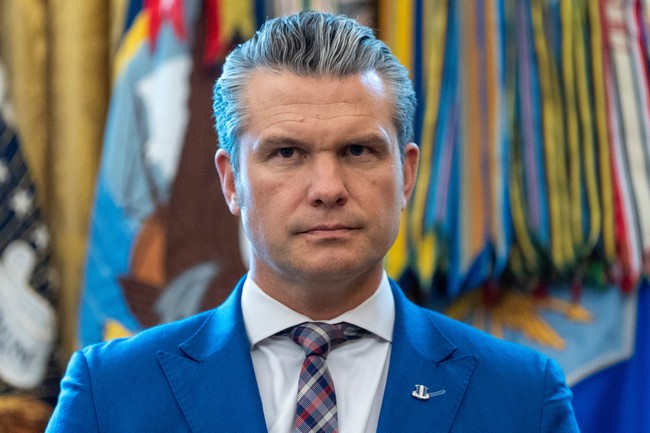
U.S. Southern Command said in a statement late on Monday that a strike “at the direction” of Secretary of Defense Pete Hegseth in the Eastern Pacific hit a vessel and killed one man it alleged to be a “narco-terrorist.”
“Joint Task Force Southern Spear conducted a lethal kinetic strike on a low-profile vessel operated by Designated Terrorist Organizations in international waters,” the statement said.
“Intelligence confirmed the low-profile vessel was transiting along known narco-trafficking routes in the Eastern Pacific and was engaged in narco-trafficking operations,” it continued. “One male narco-terrorist was confirmed killed during this action.”
The strikes have been presented by the administration as part of a broader push to choke off fentanyl and other dangerous drugs before they reach American streets. Officials have framed the operations as necessary defensive steps to disrupt transnational criminal networks that supply these lethal substances.
The United States has conducted more than two dozen strikes against alleged drug boats, killing over 100 people in the Pacific and Caribbean since September, according to the Pentagon.
On Dec. 22, at the direction of @SecWar Pete Hegseth, Joint Task Force Southern Spear conducted a lethal kinetic strike on a low-profile vessel operated by Designated Terrorist Organizations in international waters. Intelligence confirmed the low-profile vessel was transiting… pic.twitter.com/LGzEaQSTiR
— U.S. Southern Command (@Southcom) December 23, 2025
Speaking to reporters Monday, President Donald Trump would not specify what his “end game” in the region was, but he issued a warning to Venezuelan President Nicolás Maduro.
“He could do whatever he wants, it’s all right, whatever he wants to do,” Trump said. “If he wants to do something, if he plays tough, it’ll be the last time he’s ever able to play tough.”
Asked whether the ultimate goal was to force Maduro from power, Trump said: “That’s up to him what he wants to do. I think it would be smart for him to do that.”
Trump extended his warning to Venezuela’s neighbors, saying Colombian President Gustavo Petro, a leftist who has drawn Trump’s ire after he loudly opposed the boat strikes, was “no friend of the United States.”
“He’s very bad, very bad guy, and he’s got to watch his a–,” Trump said.
“We love the Colombian people. I love the Colombian people. They’re great people, energetic, smart, great. But their new leader is a troublemaker, and he better watch it,” he added.
Supporters argue these strikes are a lawful, effective tool to defend Americans and to block the flow of deadly opioids. Defense Secretary Pete Hegseth argued that they are pre-emptive measures that will save “millions” from overdose deaths, and proponents point out that designating cartel leaders and organizations as foreign terrorist organizations creates a legal basis for targeting their operations.
Critics push back on both the legality and the evidence backing these strikes, saying there has not been a declared armed conflict with Venezuela or groups like Tren de Aragua that would automatically bring the laws of war into play. They argue lethal strikes in international waters without transparent identification and public evidence of hostile intent amount to extrajudicial killings rather than legitimate acts of self-defense.
Legal scholars and human rights advocates contend that while drug trafficking is criminal, it is not necessarily an “armed attack” on the United States that permits the use of lethal military force, and they are calling for clearer standards and accountability. Others note the government has not publicly released the identities of those killed or the specific evidence used to label the vessels and occupants as combatants, fueling demands for greater disclosure.
The debate has spilled into foreign relations, with U.S. statements and actions putting added pressure on Maduro’s government and straining ties with regional leaders who oppose the strikes. As the White House maintains these operations are vital to domestic security, lawmakers and legal experts are pressing for oversight to ensure actions remain within international law and American values.