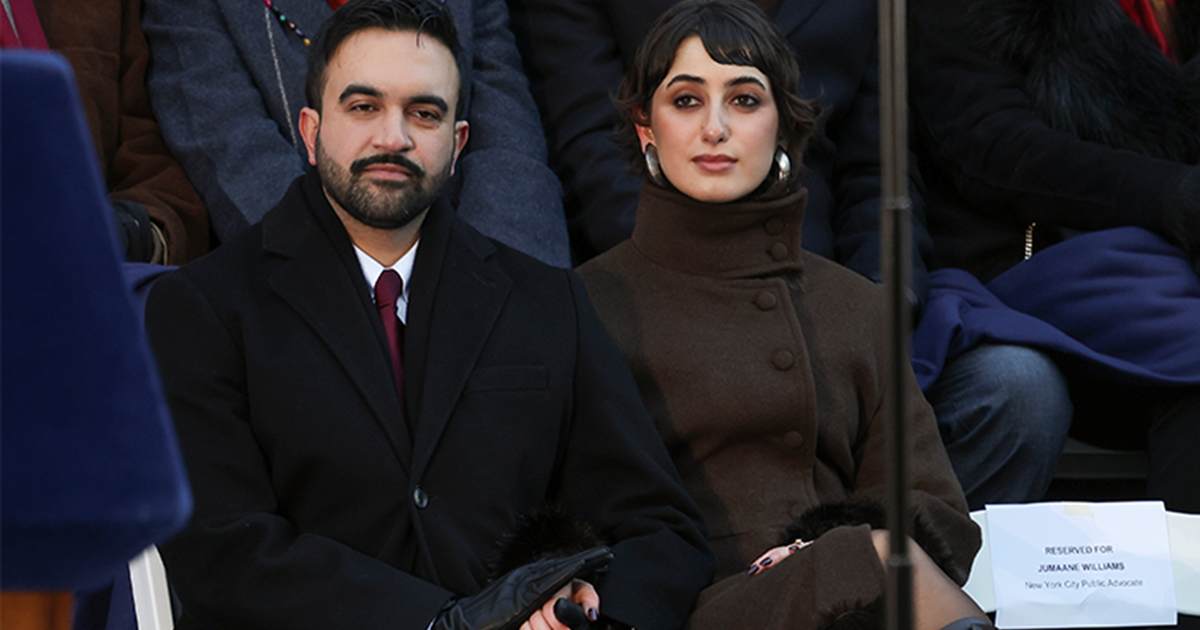
The mayor’s wife has issued a public apology after old social media posts and likes resurfaced, touching off a national controversy over offensive language and praise for violent actors, while Mayor Zohran Mamdani has publicly defended her as a private person with no official role in his office.
Rama Duwaji, a Texas-born Syrian American artist, has said she is sorry for past social media activity that many have called racist, antisemitic, or celebratory of extremist violence. She discussed her work and politics in an interview with Hyperallergic and acknowledged the ways her art and public life intersect. Her statements and the resurfaced posts have become a flashpoint because of her husband’s role in City Hall.
On the place of politics in her work, she put it plainly: “Everything is political: what we choose to show, what we choose to omit, the stories we highlight and the ones we leave in the margins.” She said the sudden public scrutiny has been disorienting and that the experience has reshaped how she thinks about her role in the world. “This experience has absolutely changed my life” and she added that she is “still figuring out how it applies to me as an artist and as a person, both thinking of the future and the past.”
She went on to say that being thrust into the spotlight has forced a personal reckoning, writing that it “forced me to confront how much I’ve changed, even before this moment.” When a tabloid recently published old tweets I wrote as a teenager, I felt a lot of shame being confronted with language I used that is so harmful to others; being 15 doesn’t excuse it. I’ve read and seen a lot of what others have had to say in response, and I understand the hurt I caused and am truly sorry. My focus isn’t on being a public figure, but continuing my work with care and responsibility, and allowing my art to speak for itself.
The specific items drawing criticism include social posts and reposts from her teen years and later activity that critics argue crossed ethical lines. In 2013, when she was 15-years-old, she used the N-word in an X post. In 2015, she reposted a thread saying Israel “shouldn’t exist in the first place,” and those items have been cited repeatedly by opponents as evidence of troubling views.
Mayor Mamdani went to the microphones earlier this year to defend his wife, saying she is “a private person who has held no formal position on my campaign or in my City Hall.” His comments underline a familiar argument: family members who are not in an official capacity should not be held to the same standard as officeholders. Critics, including many on the right, see that distinction as insufficient and insist that public trust demands more accountability from anyone tied closely to elected officials.
The scrutiny intensified after older posts surfaced beyond her teen years. In September 2017, Duwaji posted an image on Tumblr showing Palestinian militant Leila Khaled with the caption: If it does good for my cause, I’ll be happy to accept death.” She has also been accused of liking Instagram posts that appeared to celebrate the October 7, 2023 Hamas attack on Israel, which added a new layer of anger and alarm among observers.
Those items were amplified this spring when several media outlets tracked down screenshots and Instagram activity and circulated them widely, prompting a wave of reaction across social and traditional media. Outlets uncovered a mix of teenage posts and adult interactions that together created a pattern critics say cannot be dismissed as youthful mistakes. Supporters counter that social media activity from years ago can misrepresent a person’s current beliefs and that context matters.
On Oct 7 massacre 1,200 Israelis slaughtered, homes like these incinerated by Hamas.
Rama Duwaji liked those posts and cheered it online, calling it glorious "resistance."
Her vague "sorry" is a sick cover-up attempt.
Repost it and don't let her gaslight you! pic.twitter.com/aCkhm9jfGj
— Michael C (@Michaeach3) April 16, 2026
From a Republican perspective, this episode highlights a larger issue about accountability in public life: voters expect transparency and clear standards for behavior, especially when controversial or violent imagery and rhetoric are involved. Defending family members as private citizens is understandable, but many conservatives argue that elected officials must still answer tough questions about the environment they create and the values they signal.
The debate is likely to continue as the mayor and his team respond to new reporting and public pressure. Questions about how the mayor’s office handles ethics, optics, and communications will not go away simply because the headlines ebb, and political opponents are already using the episode to press for clearer distancing and more definitive statements of condemnation where appropriate.