A brisk, tongue-in-cheek look at the “six seven” meme, Vice President Vance’s reaction, its origins, and how adults can quietly snuff out online fads.
I have a 12-year-old son, and if you spend any time around middle school culture you know how a tiny phrase can flip a switch. When he overheard someone say “six, seven years” on a podcast, that line set him off like a sleeper agent in a comic book. Kids latch on to these things and suddenly the hallways are full of synchronized nonsense.
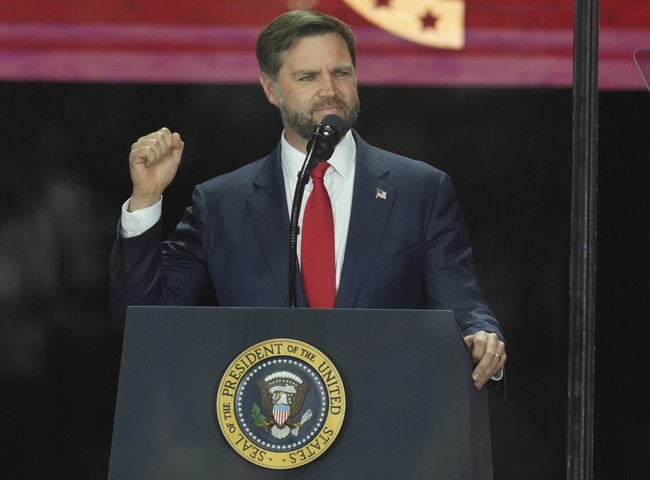
These viral hooks don’t stop at kids, though. Turns out no one is immune from that craze, not even the Vice President of the United States, who has now found a narrow exception to the First Amendment. It’s amusing and a little refreshing when leaders notice the silly stuff the rest of us endure every day.
We can get on board with this, sir. The smile you get when an official takes a second to mock a harmless internet quirk is the sort of small, human moment that cuts through a lot of manufactured outrage. If politics is too grim, a little levity from the top can do well for the public mood.
Yesterday at church the Bible readings started on page 66-67 of the missal, and my 5-year-old went absolutely nuts repeating "six seven" like 10 times. And now I think we need to make this narrow exception to the first amendment and ban these numbers forever.
— JD Vance (@JDVance) December 10, 2025
Even though the Vice President is younger than I am, it’s comforting to see we are collectively getting too old for this stuff. There is a particular joy in watching adults lean into a trend just enough to make it stop being cool. That sort of parental, civilized exasperation is part of keeping culture from sliding into pure chaos.
If you were wondering about the origin, Google traces the “six-seven trend” to social feeds where people say “six-seven” with a distinctive hand motion that alternates palms up and down. The phrase traces back to “at sixes and sevens,” which used to mean being confused or “at loose ends,” and then got repurposed into a choreographed bit of viral behavior. Social media eats grammar and spits out dance moves, and the rest of us watch with bemusement.
Some brands took the joke seriously enough to react. Apparently burger chain In-N-Out was so annoyed with the trend they removed “67” from their ordering system. Corporations don’t like having their menu items turned into a meme police target, and this was one awkward, practical response to a silly problem.
Amen. There is a small satisfaction in seeing institutions and leaders quietly push back against absurdity without making it a constitutional crisis. When both adults and organizations treat nonsense like nonsense, it loses momentum faster than any algorithm can amplify it.
We have no idea how long any of this will last, and that’s the point—most viral moments burn bright and then they’re gone. The best strategy is often to point and laugh, not to overreact or to weaponize them for political gain. That restraint used to be a respectable civic virtue.
Finally, bipartisanship! It’s nice when both sides can agree on something small, public, and painless: stop pretending juvenile trends deserve our full attention. Common sense and a little mockery are cheap tools that actually work on the internet.
Nothing makes a trend die faster than adults leaning into it and treating it like it’s a real problem. Call it curb appeal for the culture: the moment grown-ups make a coordinated meme of the meme, it flatlines. It’s our patriotic duty to preserve a little dignity while still enjoying a good-natured laugh.