U.S. forces are moving into the Middle East as Iran reels from a brutal domestic crackdown, major carrier and air assets are repositioning, estimates of protester deaths vary widely, and political leaders on both sides are trading stark warnings and threats.
The Trump administration has pushed significant military firepower toward the region while Iran faces a fierce internal backlash. Iran’s government has responded to demonstrations with overwhelming force, and estimates suggest between 2,000 up to 15,000 protesters have been killed in the crackdown. President Donald Trump has warned on multiple occasions that he will not tolerate continued slaughter of civilians and has threatened military action if the killings continue.
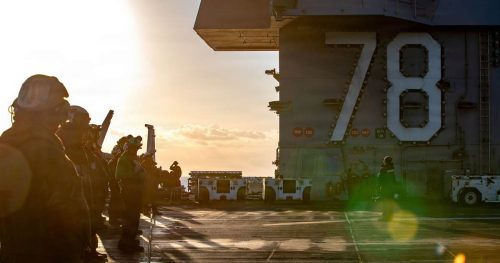
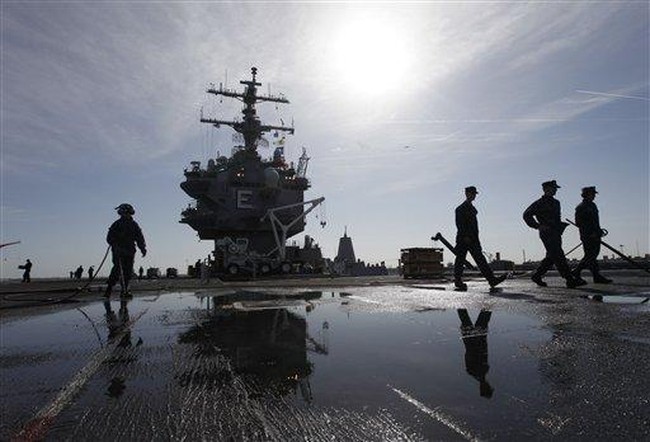
Reports say the USS Abraham Lincoln carrier strike group, accompanied by dozens of fighter jets, is moving quickly toward the Persian Gulf. Tracking from open-source reporting indicates a buildup of air assets intended to put pressure on Tehran and to give the United States options if ordered to act. Those moves follow a pattern of deliberate signaling meant to deter further violence against protesters while preserving U.S. freedom of action.
US F-15E Strike Eagles appear to be redeploying to the Middle East as the USS Abraham Lincoln transits the Straits of Malacca. The moves come as the US once again seeks to bolster its posture in the region amid dramatic developments in Iran.
On 16th of January, The War Zone founder, Tyler Rogoway, posted,
“There are not enough assets in the Middle East to execute a sustained campaign that will accomplish anything of huge consequence in Iran.”
He explained that the US would need to build up resources, and this would take time.
According to open-source reporting, tracking the movements of mostly US military aircraft, the buildup of air assets in the Middle East for a possible strike on Iran has begun.
So far, the two most notable developments have been the redeployment of US Air Force F-15E fighter jets from their base at RAF Lakenheath in the United Kingdom and the redeployment of an aircraft carrier. OSINT account, Armchair Admiral, stated the F-15Es were likely redeployed to Muwaffaq Salti Air Base in Jordan.
Speaking of the redeployment of the first 12 F-15Es, Armchair Admiral said, “This is what looks to be the first major movement of the U.S. build-up in the Middle East. I expect we’ll see more modern aircraft deployed soon. My own prediction was Lakenheath F-35s, but it’s not too late for that.”
The carrier could be close to arriving at its destination in the Persian Gulf, and many see the deployment as more than posturing. Israeli outlets put it bluntly: “As the aircraft carrier USS Abraham Lincoln makes its way toward the Persian Gulf, the decisive moment between the US and Iran draws closer.” That framing underscores how high the stakes have become as both military and diplomatic pressure mounts.
Analysts say the U.S. presence will soon allow options ranging from targeted actions at sea to strikes on land. Commentators noted the U.S. will soon have the capacity for anything from “targeting Iranian oil tankers that guarantee crude supplies to China” to “direct strikes on targets inside Iran itself.” Former U.S. ambassador Dan Shapiro warned that a “one-and-done” strike idea could “lead him to specifically target Supreme Leader Ayatollah Ali Khamenei.”
On the ground in Iran, the regime is under intense pressure from both domestic unrest and international scrutiny. Protesters have continued to confront security forces despite shootings and arrests, and Tehran has threatened a harsh response to any external interference. Iranian President Masoud Pezeshkian warned this week that any move against Khamenei “would be considered a declaration of all-out war against the Iranian nation” and that Iran’s response “would be severe and deeply regrettable.”
👉🏻https://t.co/eAy9SyGYqH | #EstadosUnidos avanza hacia Oriente Medio: no solo envía al Grupo de Ataque del Portaaviones USS Abraham Lincoln sino aviones de combate tácticos, de carga y de reabastecimiento pic.twitter.com/WzBSRh4hEe
— El Universo (@eluniversocom) January 21, 2026
President Trump has not minced words about Tehran’s leadership, calling Khamenei “a sick man” and saying “it’s time for new leadership in Iran.” Those lines reflect a worldview that holds tyrants accountable and uses American strength to protect human life and regional stability. From a Republican perspective, the buildup signals necessary resolve after years of appeasement and mixed signals that only emboldened Tehran’s worst behavior.
Military planners and intelligence watchers note that a serious campaign against Iran would take time and logistics, as Tyler Rogoway and OSINT analysts have pointed out. The initial redeployments—aircraft from the UK and a carrier transiting strategic chokepoints—are the start of a larger picture that would be required for meaningful pressure. For now, the strategic posture is clear: the U.S. is positioning itself to respond if ordered, and Tehran should take that seriously.