This piece challenges the claim that Republicans are to blame for recent jumps in ACA premiums, notes that Democrats created and later dismantled parts of the subsidy system, highlights David Axelrod’s public praise of Obamacare in 2009, and points out the gap between past promises and current outcomes.
Democrats pushed Obamacare through during the Obama years and later let critical COVID-era subsidies expire, and those choices matter when premiums spike. Reporters and pundits keep repeating the same political line that pins rising costs on Republicans, but the record shows a different story. Plain talk matters here: policy decisions have consequences people pay for at the mailbox.
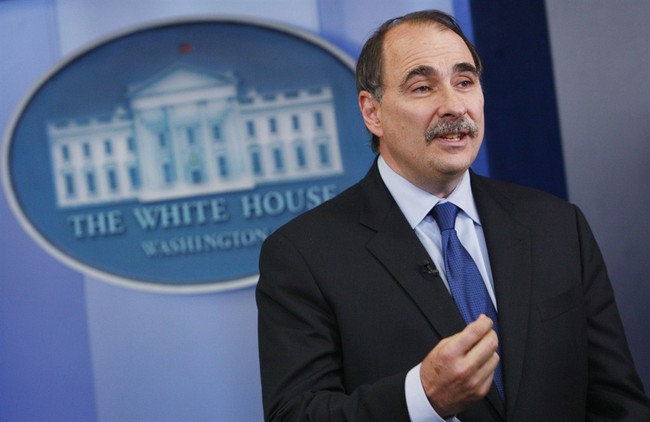
Former Obama advisor David Axelrod went on X to spotlight a Wisconsin couple whose premiums tripled and blamed their pain on “congressional inaction.” He framed the suffering as a failure of the current Congress, directing outrage away from the law that shaped the market. The post struck a chord because it shifted focus from the law itself to today’s politics.
Through family, I heard about a couple in WI who started a small business and were planning to expand. Now, with their ACA premiums TRIPLED due to congressional inaction, they've had to scrap plans to expand & grow. I'm sure that scenario is repeating itself all over the U.S.
— David Axelrod (@davidaxelrod) February 11, 2026
If only the problem were just delayed action in Washington. Missing subsidies and the law’s structural incentives are what pushed premiums up in many places, not some new mystery. Voters deserve clear answers about which policies raised rates and who voted for them.
That’s what we were promised. It was all lies. The promises of broader access and lower costs were repeated for years, but the national experience has been more premium shock than promised relief. People are rightly frustrated when political spin replaces accountability.
He does not. But the internet remembers, and a 2009 video resurfacing shows Axelrod praising the law while it was taking shape. That clip is relevant because it records the confidence with which Democratic strategists sold the plan to the public. When leaders cheer a policy and later complain about its fallout, voters notice the contradiction.
Back then he declared the bill would be accepted and appreciated by the public, and he spelled out benefits with certainty. “I have no doubt that once this bill is passed and implemented, the American people will appreciate it, and it’s going to improve the lives of people who are struggling in this healthcare system today,” Axelrod said. Those are not vague remarks; they are a promise of improvement.
Reality did not follow that script, and people across the country feel it in their premiums and in the narrower choices for care. Instead of expanding affordable options, the market tightened in many areas and costs rose. That outcome is directly tied to how the law reshaped insurance risk pools and subsidies over time.
The result was a system where coverage became politically charged and more expensive for many families, not cheaper. And as long as a Democrat was in office, the party defended the law as the best path forward. That defense makes the current hand-wringing look like political theater rather than honest policy debate.
Now Democrats act surprised as people discover the tab they must pay, even though the law and later votes on subsidies helped create that bill. How things have changed. The anger is aimed outward, but the policy architects who promised relief should own the outcomes they set in motion.
People deserve health care that is affordable and accessible, not a political storyline that blames the other side while ignoring the architects of the system. Conservatives argue for market-focused fixes and accountability for the choices that drove costs higher. This debate will shape voters’ decisions as policy continues to affect pocketbooks and care options across the country.